Spain ‘risk’ warning as people told to protect themselves
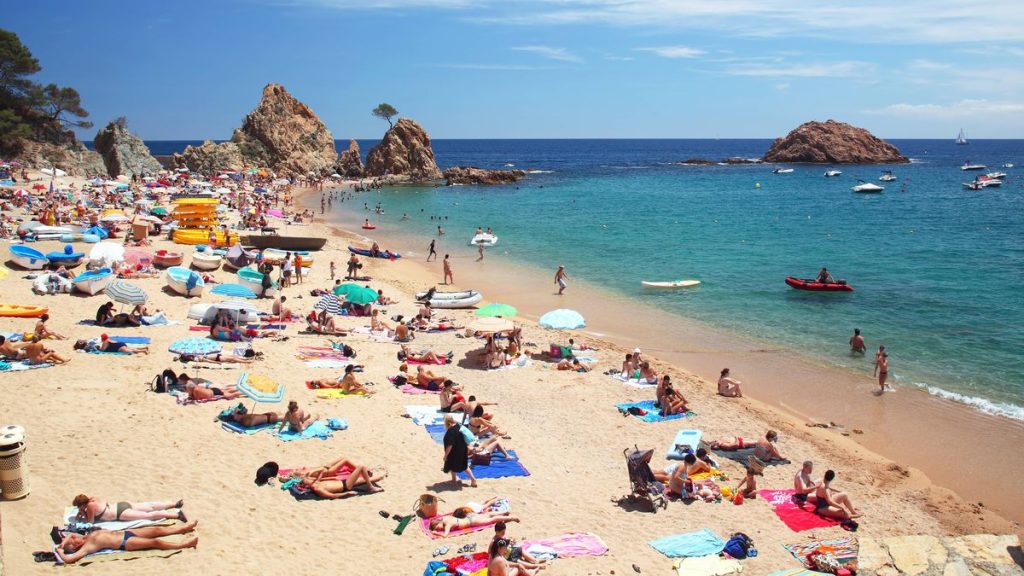
Spanish authorities have issued a warning

Spanish authorities shared an alert earlier today(Image: fhm via Getty Images)
Travellers heading to Spain, alongside those currently in the country, have been given a ‘risk’ warning. Precautions should be taken to ensure people protect themselves, Spanish officials announced on Tuesday.
The warning emerges as Spain prepares to endure another scorching spell this week, with the potential for temperatures reaching up to 44C in certain regions of the nation. Spain’s Interior Minister said in a message on X, previously Twitter, that the “risk of dehydration in summer is real”.
The announcement, published in Spanish, went on: “On long trips, the heat takes its toll. Make frequent stops. Drink water. Equip yourself with specialized, breathable, or cooling clothing. Protect yourself from the sun and travel safely.”
Additional advice from the UK’s Foreign, Commonwealth and Development Office (FCDO) reads: “Extreme weather can affect many parts of Spain, particularly over the summer months. Check warnings from the Spanish Meteorological Office (AEMET) and the European Meteorological Services.”
Individuals are also being encouraged to “check with your travel provider and follow advice from local authorities”. Spain continues to recover from its last sweltering period – which occurred last month.
Spain has reported 1,028 additional deaths due to the scorching heatwave that swept across Europe in June – a figure more than double the number of heat-related fatalities recorded the previous year. The first half of 2026 was the warmest in Spain since records began with temperatures averaging 1.6C above normal levels, according to the national weather agency Aemet.
NHS advice for staying safe in hot weather suggests that people should limit exposure to heat and stay indoors where possible – particularly between 11am and 3pm, typically the hottest part of the day. You should also seek out shade, wear a hat and lightweight clothing, and apply sunscreen.
Stay hydrated with regular cold drinks and cool meals. Avoid dehydrating beverages like alcohol and caffeine, as well as hot drinks, and refresh your skin with cool showers or by moistening your clothing.
Keep daytime heat at bay by closing windows, blinds, and curtains, then open them at night to let cooler air in. Only use electric fans if the indoor temperature is below 35C.
Keep a close eye on indoor room temperatures and regularly check on family, friends, or neighbours who are at high risk.