Scientists make ‘exciting’ breakthrough in finding traces of two ‘ghost’ ancestors in human DNA
The new discovery explains how we got here today

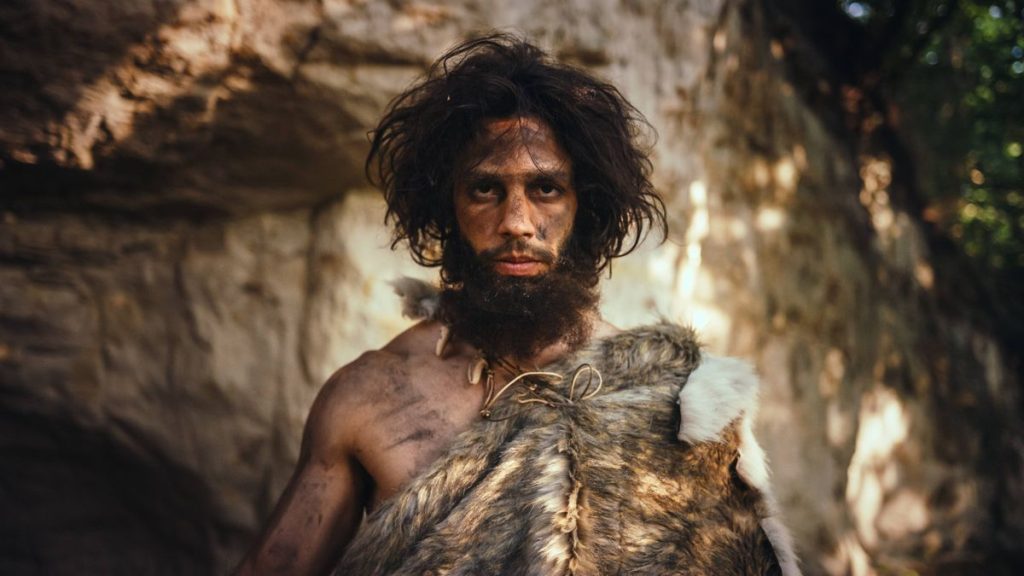
A caveman may have interbred between hominis(Image: gorodenkoff via Getty Images)
Traces of ‘ghost ancestors’ have been found in human DNA in what scientists are calling an ‘exciting’ discovery.
Scientists in the USA have located DNA from two unknown groups of hominis, the group of primates which include homo sapiens and neanderthals. One originates from Africa around 50,000 years ago, which were previously thought to exist but never proven.
The other, a ‘super archaic’ hominis lineage, is much older at 1.8 million years old. It’s thought they interbred with Denisovans, another group of hominis which have since died out like neanderthals.
They mixed DNA in Eurasia and Denisovans shared the ‘super-archaic’ DNA with homo sapiens thousands of years later. It’s thought there is a similar amount of ‘ghost DNA’ in modern-day humans to that of neanderthals, around 1 percent.
“We discovered that about 2 percent of the modern human genome is from archaic hominins,” Yulin Zhang, one of the UC Berkeley researchers who made the breakthrough, said.
“In the case of the ghost lineage, modern-day Africans and non-African populations both inherited similar amounts of ghost ancestry. Each individual has about 0.5 percent to 1 percent of their genome inherited from this ghost lineage.”
Arjun Biddanda, a postdoctoral researcher at Johns Hopkins University and a co-first author of the study, told Phys.Org : “The super-archaic finding is particularly exciting because it reveals genetic contributions from a human lineage that lived over a million years ago, despite the absence of any sequenced DNA from that population.”
It was previously thought ‘ghost DNA’ existed in modern-day African people, but the research has found it in equal measure among Africans and non-Africans, suggesting much of the interbreeding took place before homo sapiens began exploring beyond the continent.
The findings also underscore theories that modern-day homo sapiens are made up of a mix of extinct hominis genes, suggesting the various groups interbred for thousands of years to produce the humans we see today.