Tiny island nation ready to be ‘giants at the World Cup’ ahead of Germany clash
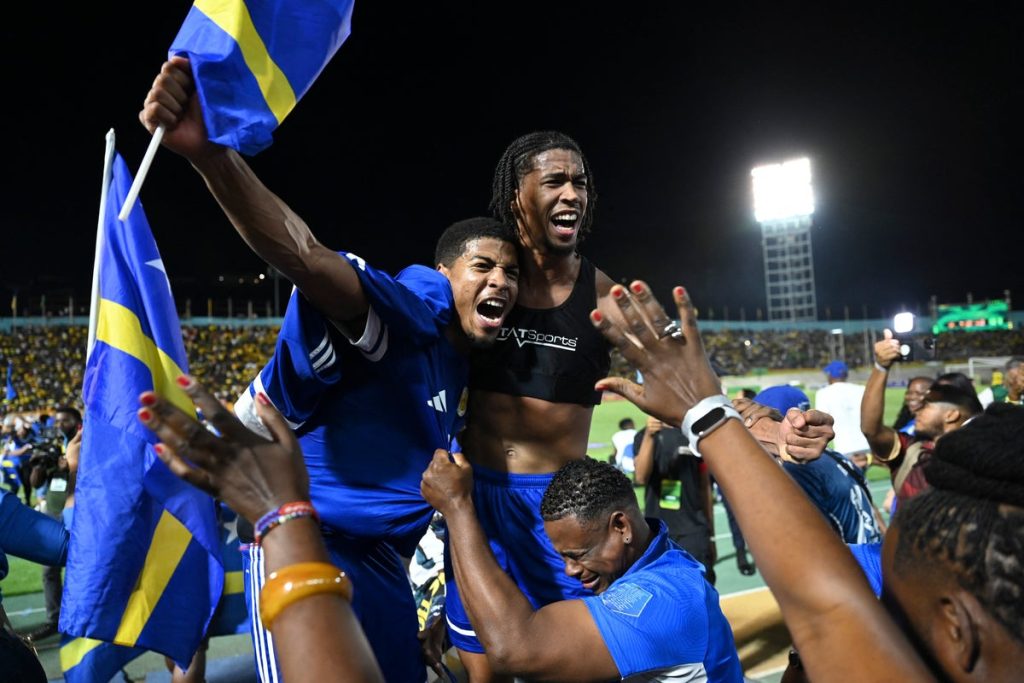
Curaçao, a tiny Caribbean island nation of just 156,000 residents, has defied all expectations to qualify for the World Cup, becoming the smallest country ever to reach football’s biggest stage.
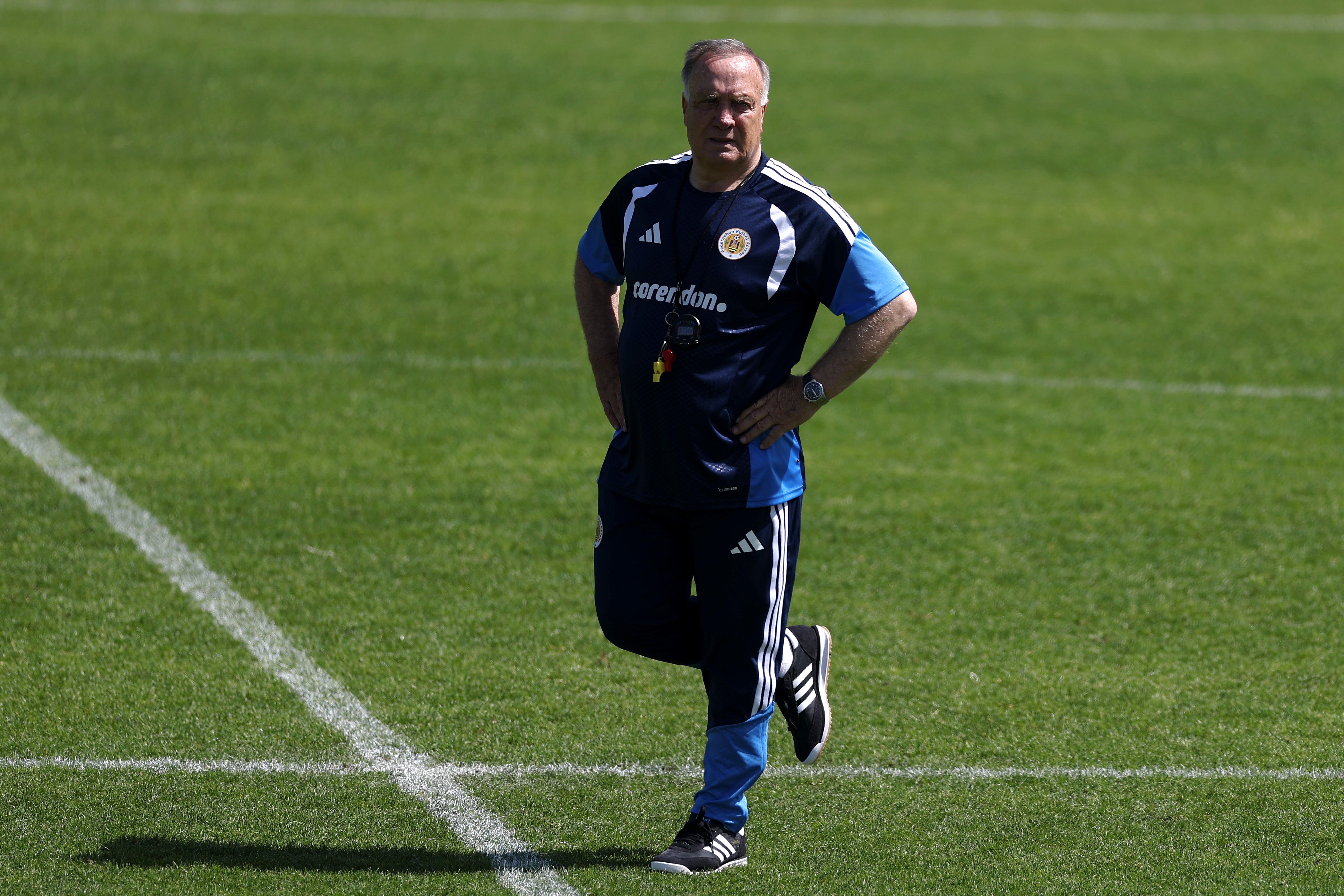
Adding to this remarkable narrative, they will be led by 78-year-old Dick Advocaat, set to become the tournament’s oldest coach.
Dismissed by many who believed their country was too small and their coach too old, the team has already crafted a unique chapter in World Cup history.
“We have made history,” declared defender Sherel Floranus. “We are writing our own history, for this island.”
For the players and their supporters, simply reaching the tournament is a victory in itself.
Their improbable journey saw them dominate the initial qualifying rounds, securing a 4-0-0 record against Haiti, Saint Lucia, Aruba, and Barbados. They then navigated a tougher second stage, finishing 3-0-3 against Jamaica, Bermuda, and Trinidad and Tobago to claim one of North America, Central America, and the Caribbean’s three coveted spots.
The scale of their achievement is stark: Curaçao’s population is dwarfed by cities like Houston, where they will play their opening match against Germany, a city 15 times its size. The stadium alone could hold half the island’s residents.
This historic qualification was aided by the expanded 48-team format and the exemption of host nations – the US, Mexico, and Canada – from qualifying, opening doors for surprise contenders like Curaçao.
Despite being considered extreme long shots with odds as high as +250000 at some sportsbooks, the team remains immensely proud. Remko Bicentini, a former pro player and the nation’s previous head coach, reflected: “We know there is a big chance that we don’t win the World Cup, but that we (made it) there … for Curaçao, a very, very, very good moment. We are proud of that.”
He added: “It is a party for the whole Curaçao. It’s a big level and all the players … we worked years, for years, for years, very hard to become where we now are.”
Curaçao’s sporting identity is often intertwined with its Dutch heritage. Formerly part of the Netherlands Antilles, it became an autonomous “constituent country” of the Netherlands in October 2010.
While the Dutch monarchy reigns and citizens hold Dutch nationality, the team’s World Cup preparations in the Netherlands were met with “welcome home” signs, underscoring a distinct national pride despite the nine-hour flight.
For locals, the sentiment is profound. Policeman Michael Stokkel, a lifelong Brazil fan, now declares: “I will be a fan of my own country. It’s an incredible feeling.”
While Curaçaoan athletes have competed internationally – often for the Netherlands or as independent athletes – it is rare for them to do so explicitly as Curaçao, making this World Cup appearance particularly significant.
Ozzie Albies of the Atlanta Braves, a native of Willemstad, the island’s capital, called it “history for the guys and the accomplishment is super special for Curaçao.” He added: “Soccer has always been a sport we play but never made it to the World Cup. So, to be able to do it is very, very, very special.”
Tahith Chong, one of the national team’s key players, highlighted the island’s passion: “Just seeing how the island has lived with it and just knowing, I think that a lot of people don’t know about Curaçao. It loves football and it’s quite big here. So, to be present this year at the World Cup is obviously something amazing for the island.”
Politically, the World Cup is seen as a unifying force. Prime Minister Gilmar Pisas envisions the team, known as the Blue Wave – a nod to the island’s shimmering turquoise waters – creating a “Blue Nation”.
He stated: “We will become part of something larger than ourselves, something that, despite our differences, brings us together… We share a single anthem and a single flag … rather than being divided into separate camps. We are, finally, truly united. It is a project dedicated to the construction of a nation.”
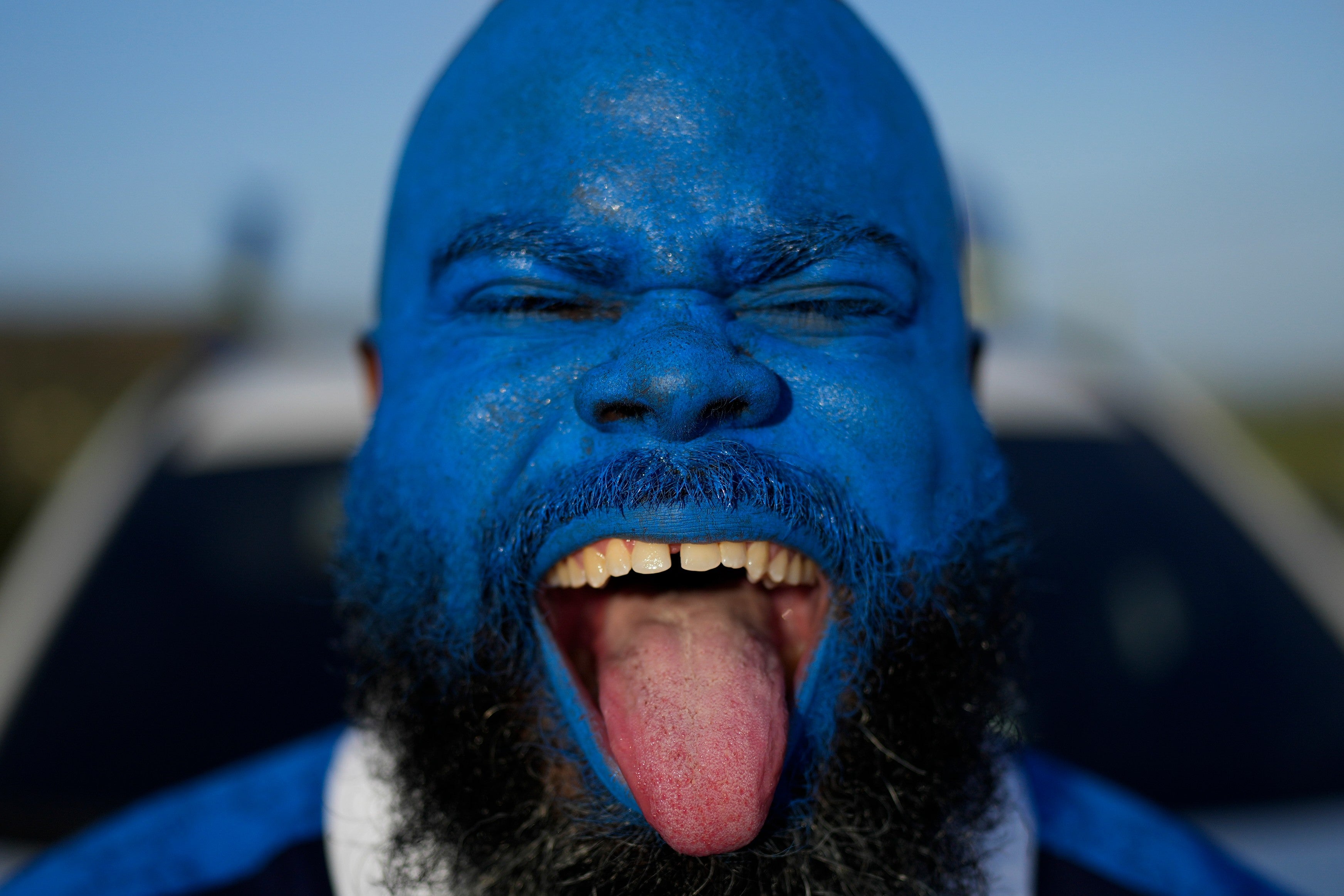
Embodying this spirit is Brenton Balentien, known simply as “Blue Face”, a national mascot whose head and face are painted blue for every match. Inspired by passionate fans abroad, he sought to ignite a similar fervour on the “very passive island”.
Since 2015, his chants in largely empty stadiums have grown into a significant following, symbolising the island’s burgeoning football pride.
Balentien, a bartender, influencer, and event organiser in real life, explained his motivation: “We do this for this island, so the world knows who we are.”
Ranked 82nd globally, Curaçao face a formidable challenge, opening against 10th-ranked Germany, followed by Ecuador (23rd) and Ivory Coast (34th).
They will be underdogs in every match, but as radio broadcaster Ricardo Martinez declared: “Germany, watch out. Curaçao is coming. We are small — but giants in the World Cup.”