Martin’s Procrastination Project Delivered Plasma, and a Path to the Cheapest Fusor Yet
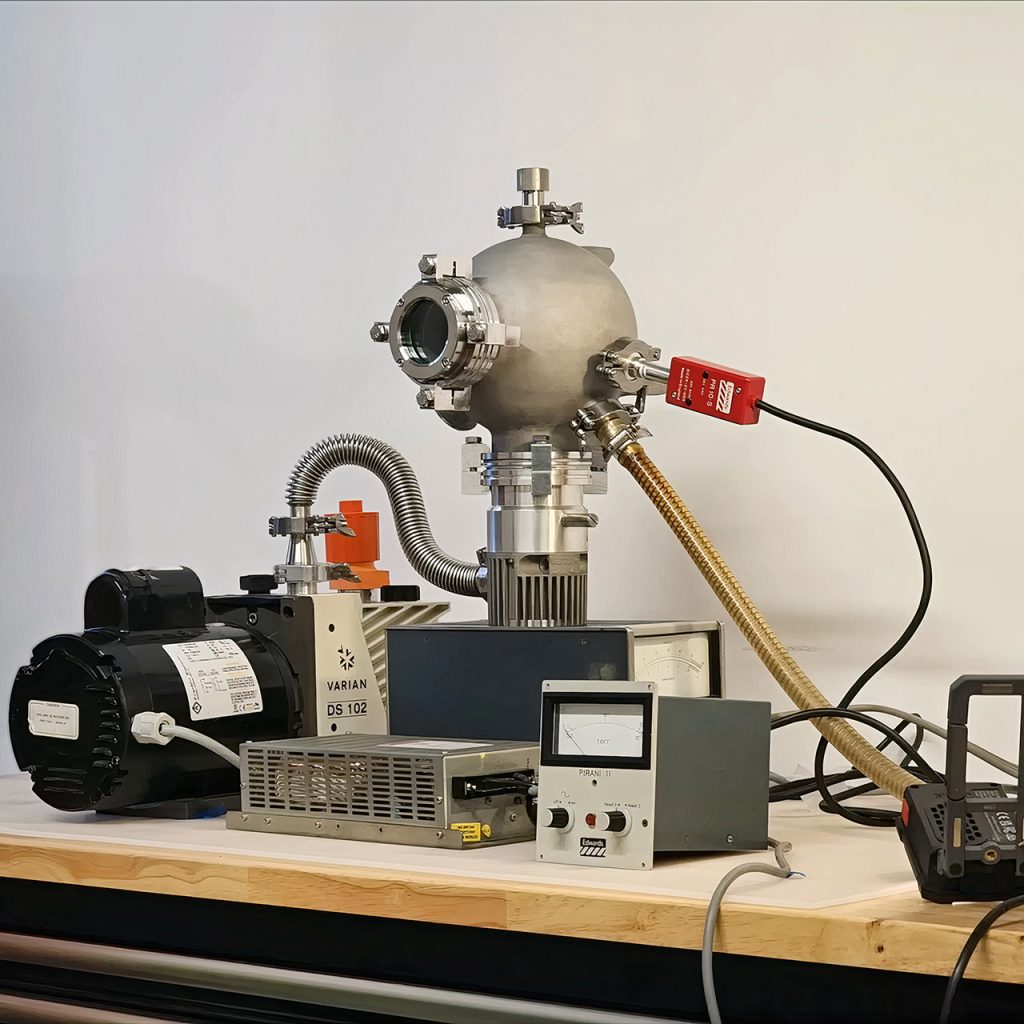
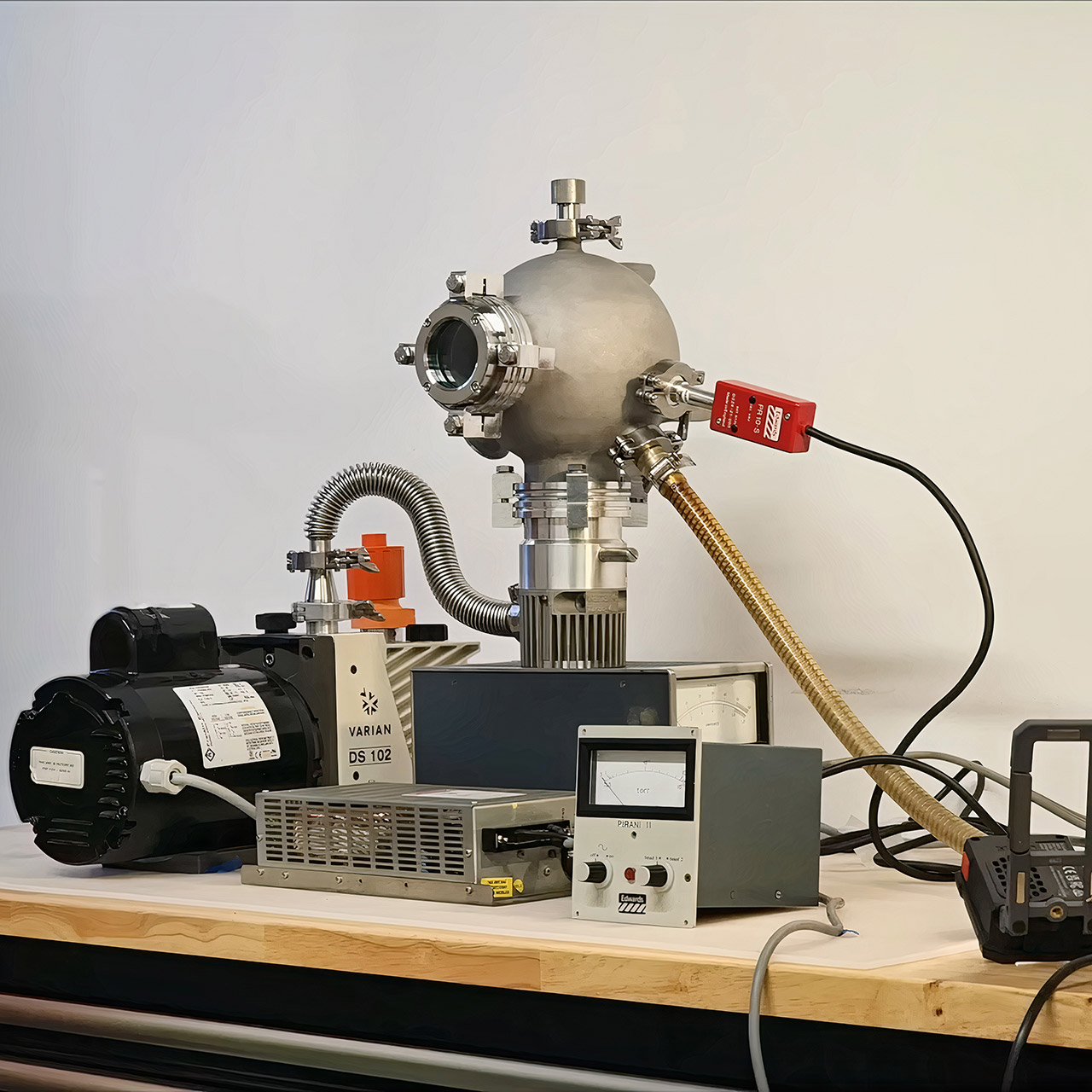
Martin never meant to spend a year and a half building anything nuclear. Another demanding task kept getting pushed aside, and the delay turned into something much larger. What began as avoidance became a complete fusor, a compact device that creates the conditions for atomic nuclei to fuse using straightforward electric fields instead of the enormous machines found in national labs.
A fusor works by separating gas molecules and crashing their nuclei together at high speeds. Martin targeted deuterium, a heavier type of hydrogen. Inside a sealed spherical chamber, a central wire grid is at a high negative voltage. Electrons shoot off the grid, transforming the gas into plasma. The remaining positive ions accelerate inward. Because the chamber is spherical, many ions bounce off the inner wall and return to the center for another chance to collide. Under the right vacuum and voltage conditions, these collisions can produce fusion and emit neutrons.
Sale

Bambu Lab A1 mini 3D Printer + LED Lamp Kit, Set Up in 20 Mins, High Speed & Precision, Full-Auto…
- A1 mini + LED Lamp Kit for Creative Light Projects: Bring your ideas to life with the included LED Lamp Kit. Simply print compatible lamp models and…
- The Perfect 3D Printer for Beginners: A1 mini 3D Printer is designed to make 3D printing easy from day one with automatic calibration, simple setup…
- Experience the Bambu Lab Ecosystem: Access MakerWorld’s huge library of ready-to-print models, manage prints through the Bambu Handy app, and enjoy…
Traditional fusor builds begin with a significant cost. A ready-made spherical vacuum chamber with many ports for pumps, power, and equipment can cost more than $15,000. Welding flanges onto a bespoke steel sphere or constructing standard fittings still costs thousands. Martin wanted something far less expensive while maintaining the spherical form that allows ions to cycle properly. Metal 3D printing offered the breakthrough by melting metal powder with a laser, one thin layer at a time, to build complex forms with minimal waste material. Martin printed the whole chamber body, including all essential ports, in a single run. The part came out sturdy and geometrically perfect, but the surface quality caused the following issue.
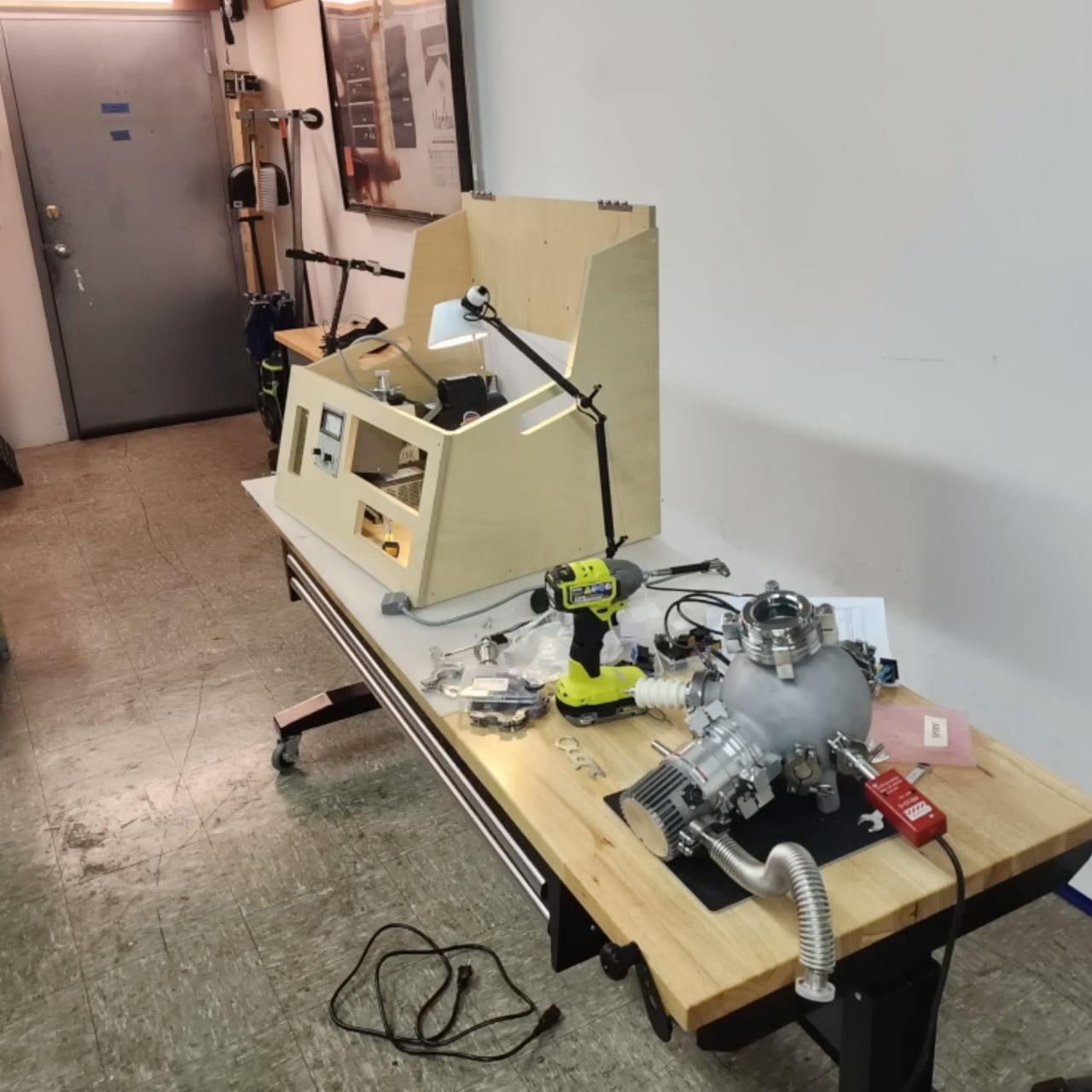
Vacuum seals require mirror-smooth metal where rubber O-rings contact flanges. Standard ISO connections were chosen because they are easier to build than knife-edge. Conflat sealing will leak on the slightly rough texture created by 3D printing. Martin solved this problem with smart fixturing rather than purchasing a more expensive printer or post-processing equipment. He added feet to the chamber floor and arranged most apertures along a single axis. A steel base plate perforated with a series of holes allows the item to spin into six different positions. The assembly was delivered to a nearby CNC shop, where a five-axis machine (three-axis machines may perform identical tasks with additional settings) carved precise sealing grooves and flat faces on the key surfaces.
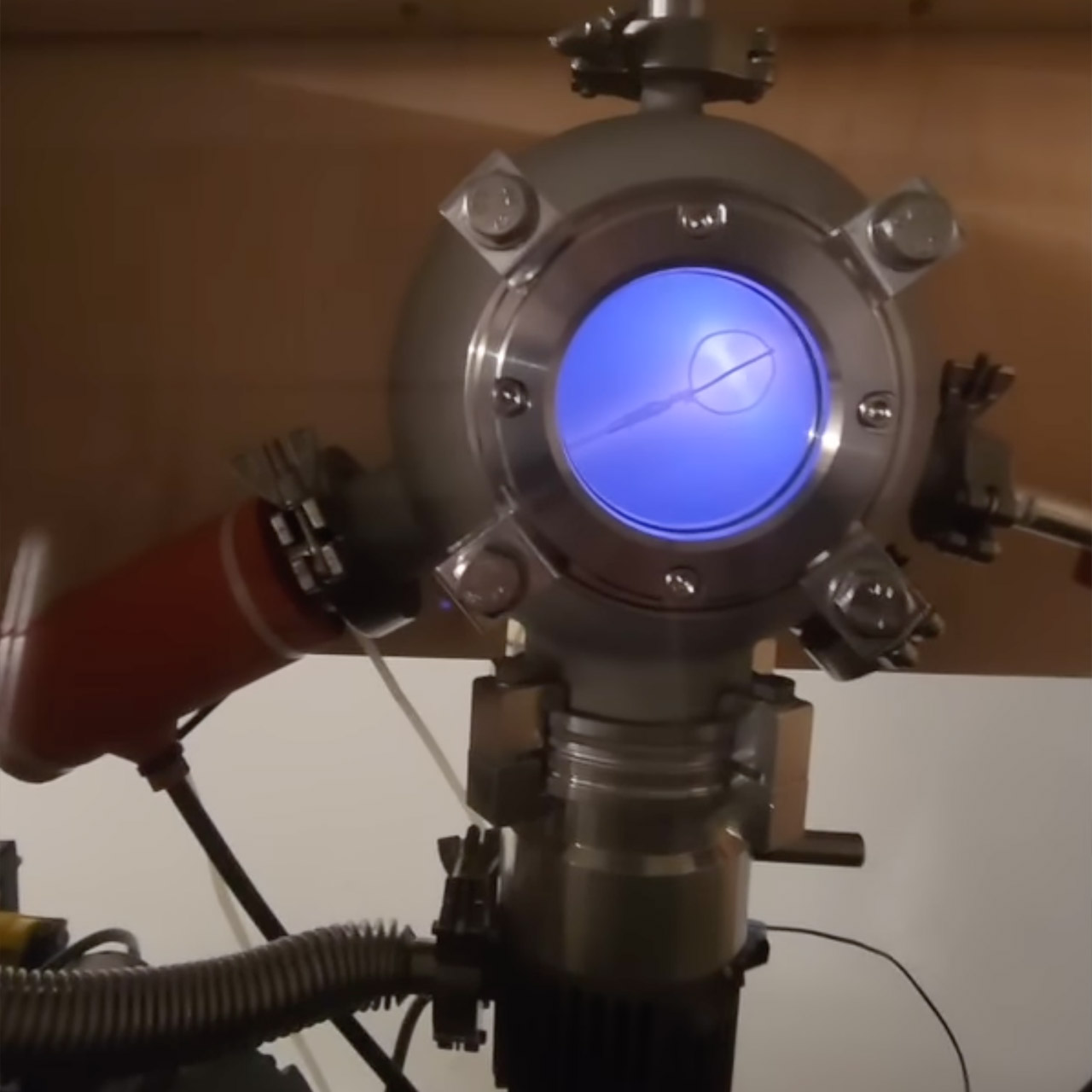
Once machined, the chamber was compatible with ordinary vacuum hardware. Martin attached a roughing pump to swiftly lower pressure, followed by a turbomolecular pump to achieve the deep vacuum required for ions to traverse long distances without interacting with stray air molecules. A rudimentary Pirani gauge purchased on eBay was used to check the pressure. Unused ports remained blanked off. The system pulled down and maintained vacuum for days without measured leakage, demonstrating that the seals and printed-and-machined chamber functioned well.
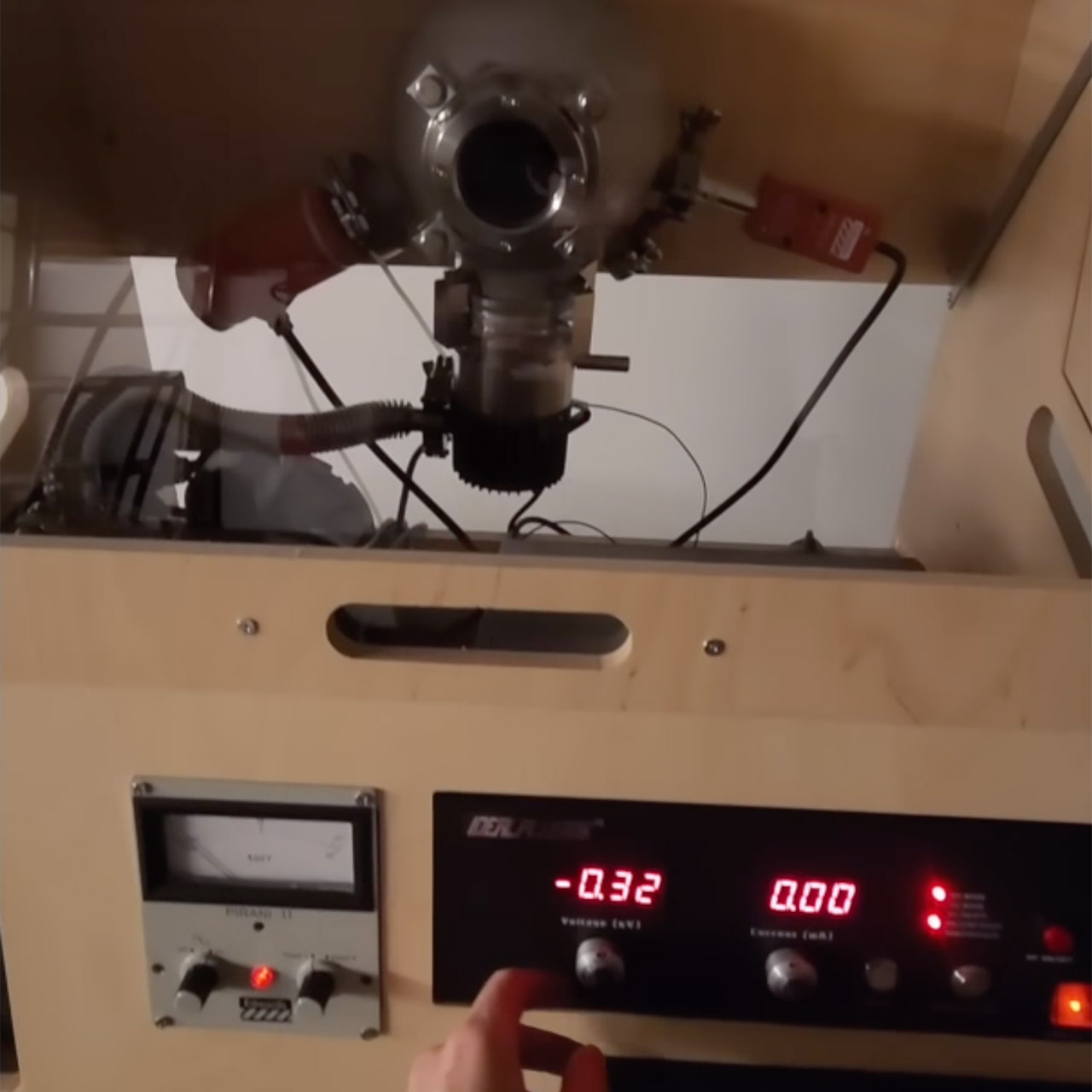
Power came last, as high voltage fed to the central grid created precisely the plasma conditions required for fusion process. The chamber glowed with the typical glow of ionized gas in the presence of intense electric fields. Martin confirmed that the machine had entered the regime where adding deuterium would result in genuine fusion. He simply never introduced the gas. Fueling was impracticable at the time due to supply constraints and high deuterium prices in his location, as well as the cost of producing it at home using heavy water. Without fuel, the project was unable to produce neutrons, but all supporting systems functioned well.
Martin also created a wooden enclosure for the system using CNC technology. It completed the project by establishing a basic physical barrier during high-voltage operation. The actual shift occurred after the plasma formed. Martin concluded that the vacuum chamber itself was the most valuable consequence. Ultra-high vacuum capabilities is useful for much more than only fusion demonstrations. The same technology may power ion thrusters, support electron microscopy studies, and facilitate other complex hobby and student projects. His attention shifted from completing a single reactor to developing designs and technologies that allow anyone to order or build viable vacuum systems without large budgets or factory access.
Martin’s Procrastination Project Delivered Plasma, and a Path to the Cheapest Fusor Yet
#Martins #Procrastination #Project #Delivered #Plasma #Path #Cheapest #Fusor