Marques Brownlee Maps What Apple Vision Pro 2 Could Have Been With Meta VR Glasses
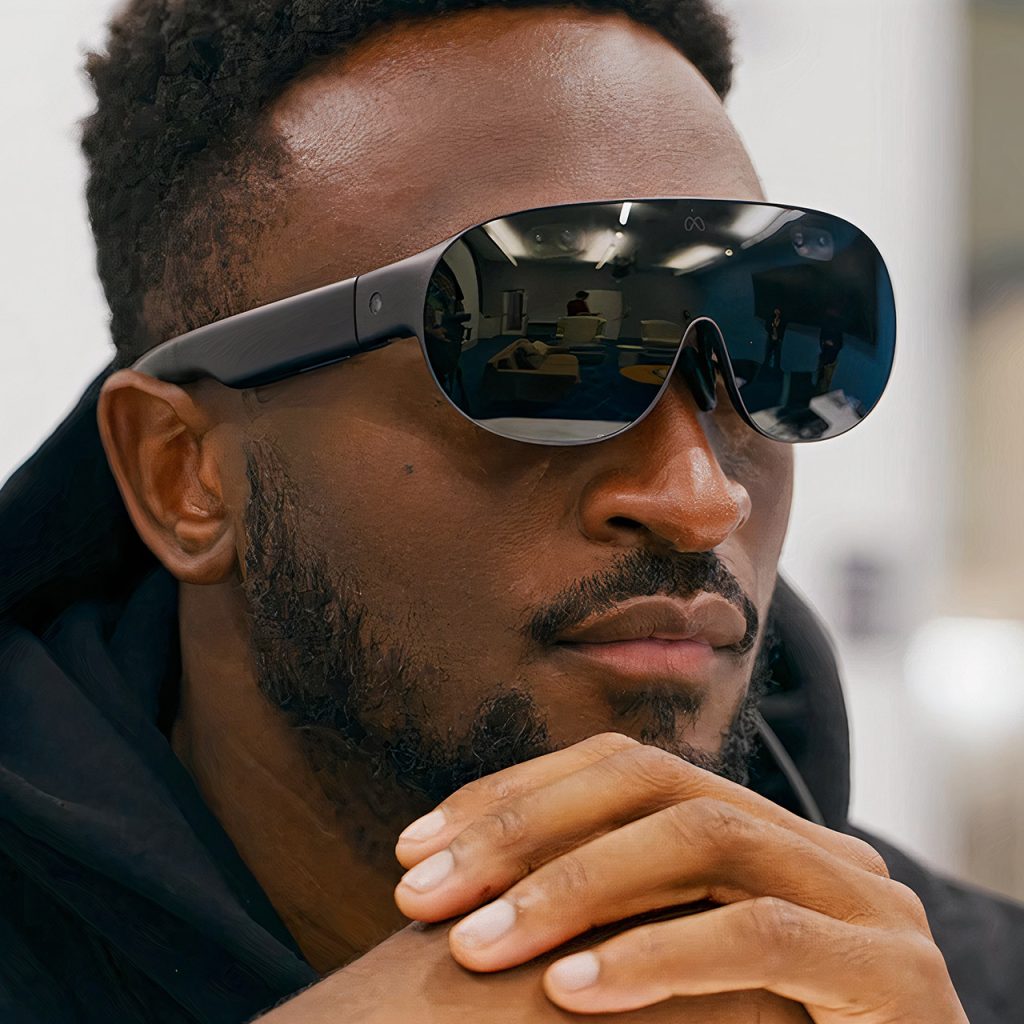
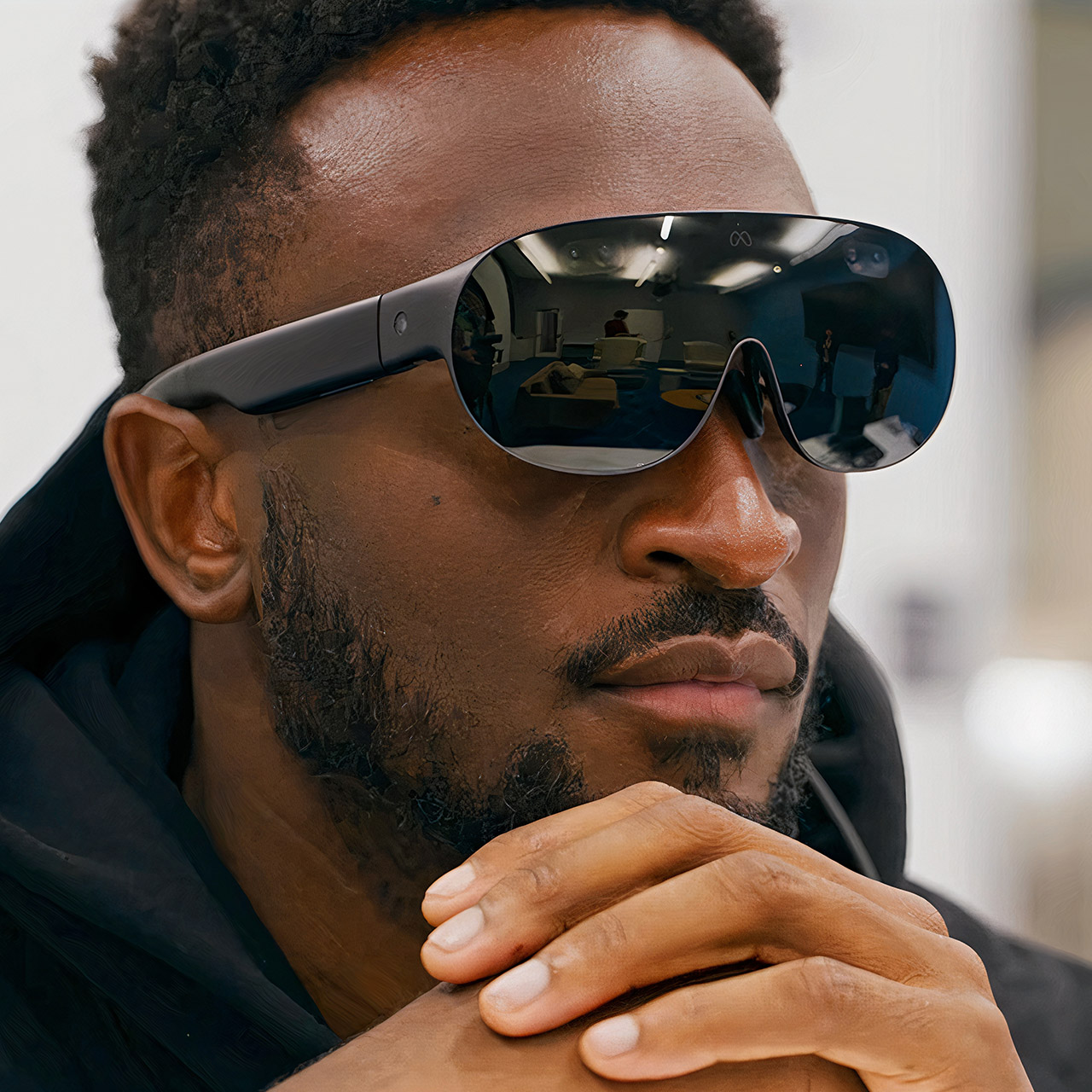
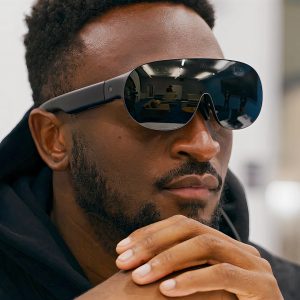
Marques Brownlee spent time with Meta’s upcoming VR Glasses and came away convinced they represent the direction Apple’s Vision Pro might have taken if the company had kept refining the original design. Apple appears to have stepped back from further headset development in favor of simpler eyewear, leaving Meta to push both lightweight glasses and full headsets forward at the same time. These new Meta devices sit in a middle space, heavier than everyday frames yet far lighter than anything that straps across the head.
Weight has been a major complaint about the Vision Pro and many other headsets, as users just quit using them after a short period of time because it becomes too uncomfortable. Meta solved the majority of that problem by combining the processor, memory, storage, and battery into a separate puck around the size of a mobile phone. The actual glasses weigh around 100 grams and have a magnesium frame with adjustable spacing between the lenses, which you can change by following on-screen directions as you tamper with them. The glasses have a retractable wire that connects them to the puck, and as long as you attach it to a belt or waistband, the hot air isn’t pushed back into your face.
That’s when the comfort level truly improves. At that weight, the glasses feel like thick sunglasses rather than something fastened to your head. You can actually accomplish longer movie or work sessions without feeling tortured. Yes, a little more light leaks in from the top and bottom since the shades aren’t perfect, and the real world view comes in through cameras rather than clear glass, but you can close those gaps with magnetic blockers if you want a darker screen and a more immersive video experience.
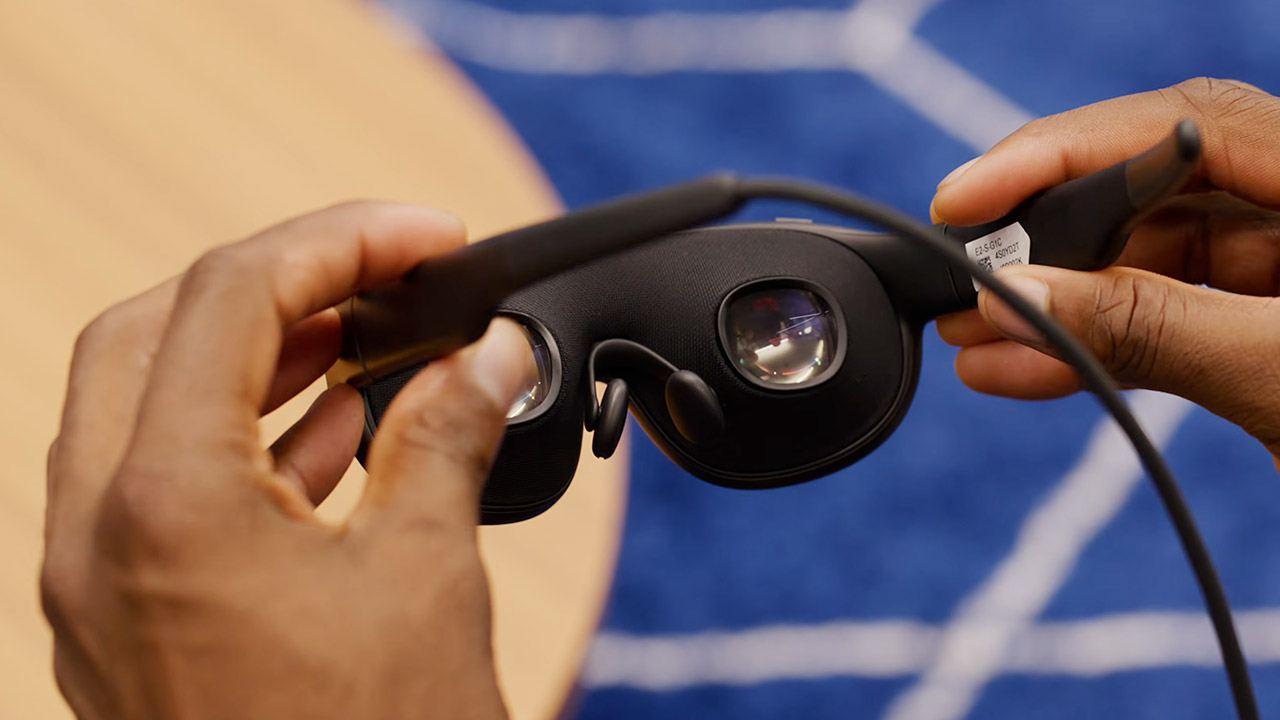
Each lens features a display with a stunning resolution of 2412 by 2288 pixels, which runs on micro-OLED panels capable of producing 120 frames per second. The crispness appears incredible in person, but early screen recordings don’t do it credit. The field of view is around 70 degrees across and 66 degrees tall, which is wider than some other display glasses but slightly narrower than a full headset. Control is based on eye tracking and hand gestures, thus there are no separate controllers required for operation. The arms have volume buttons, and the cameras point forth and downward.
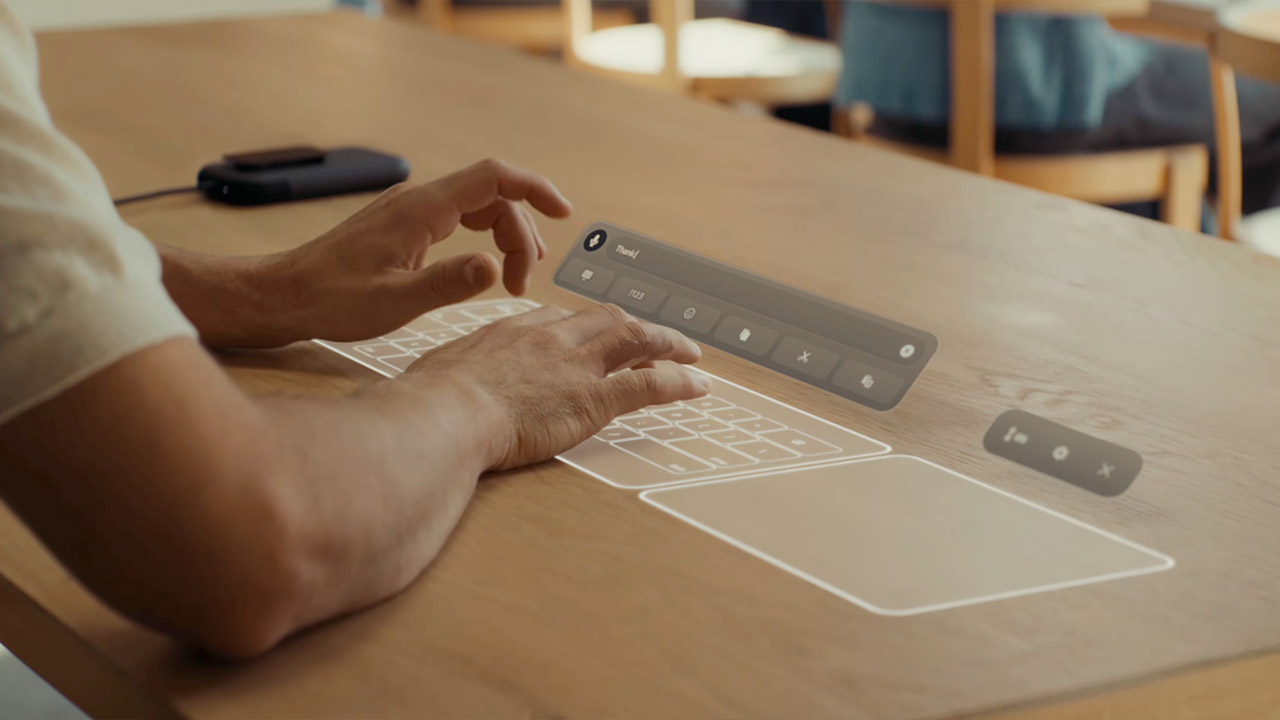
One of the notable features is the ability to place a virtual keyboard and trackpad on any flat surface, as it’s much more pleasurable to text on something with some resistance under your fingertips than to touch at nothing. Brownlee said it’s far more enjoyable than tapping on floating keys. You can also get Meta applications, a browser, and open virtual screens of any size, and the extended desktop use for portable workspaces is really useful, especially if you need to work while on the road.
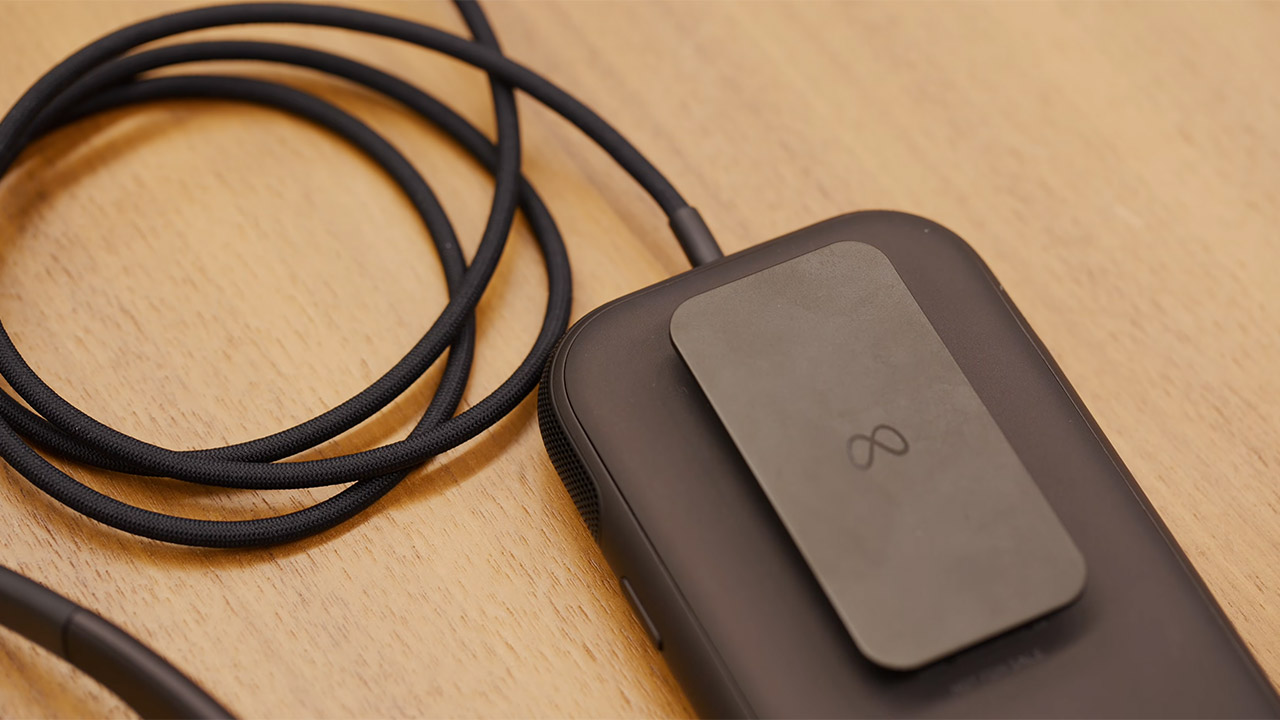
These are priced at $1300 and will be available next year, making them significantly less expensive than the Vision Pro while still providing the eye and hand controls that appeared to be quite advanced until now. Brownlee stated that just getting the compute off the face and opting for a more glasses-like design is the most practical option given the technology available today. It resolves the main weight issue without addressing the question of whether people want these types of headsets in the first place. If Apple had continued to improve the Vision Pro based on user feedback, something very similar to these Meta glasses would have been on the horizon.
Marques Brownlee Maps What Apple Vision Pro 2 Could Have Been With Meta VR Glasses
#Marques #Brownlee #Maps #Apple #Vision #Pro #Meta #Glasses