How SubCom in New Hampshire Quietly Builds the Cables That Link the World’s Data
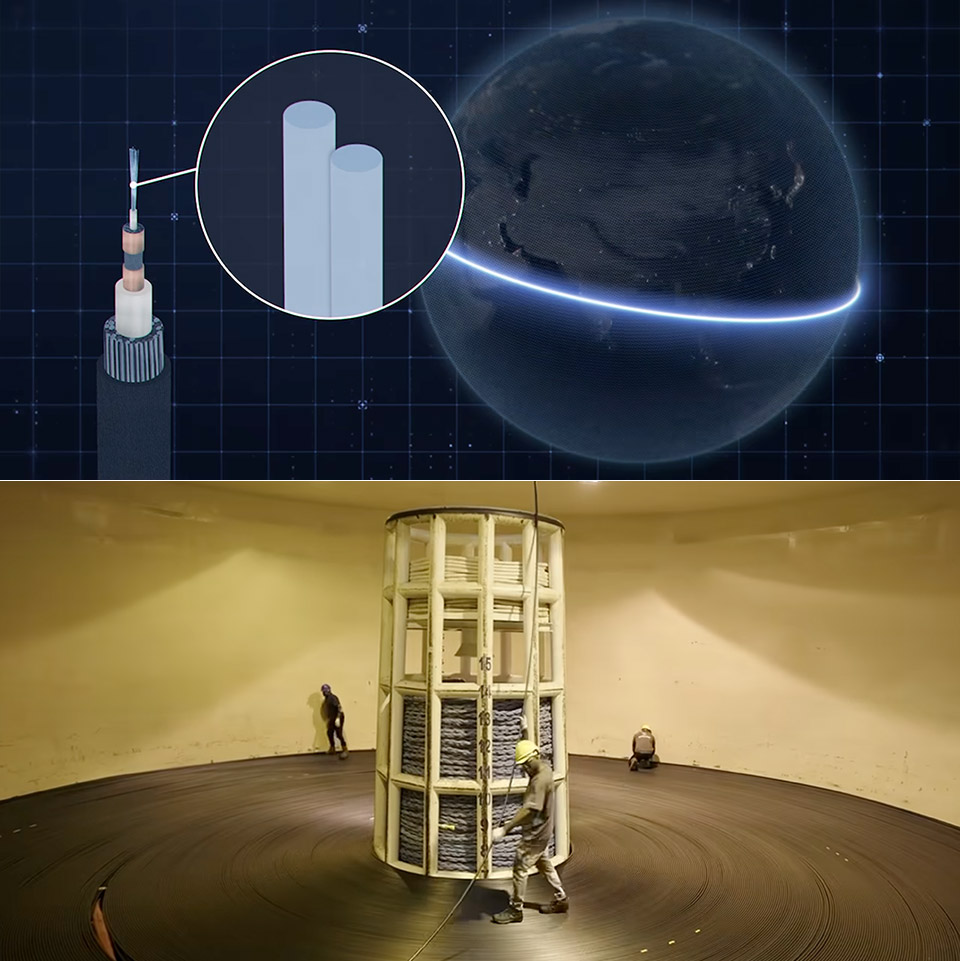
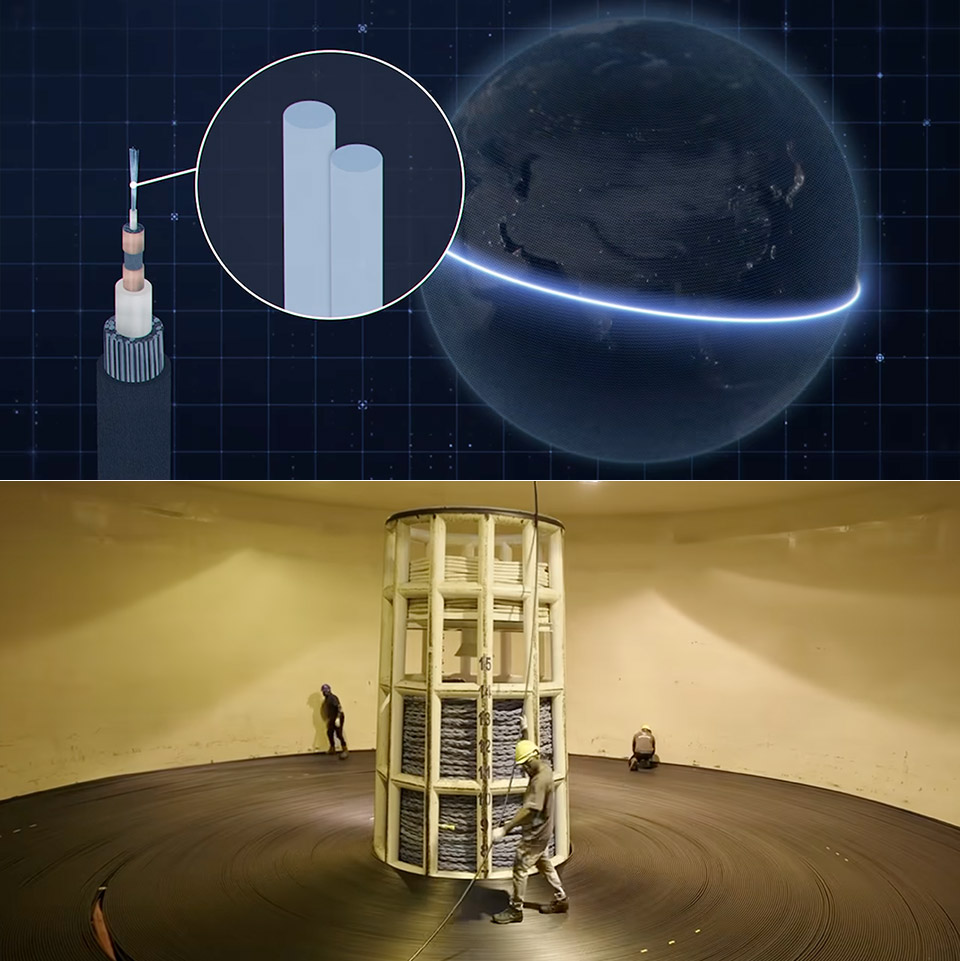
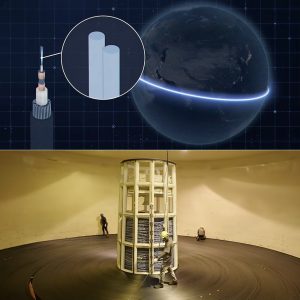
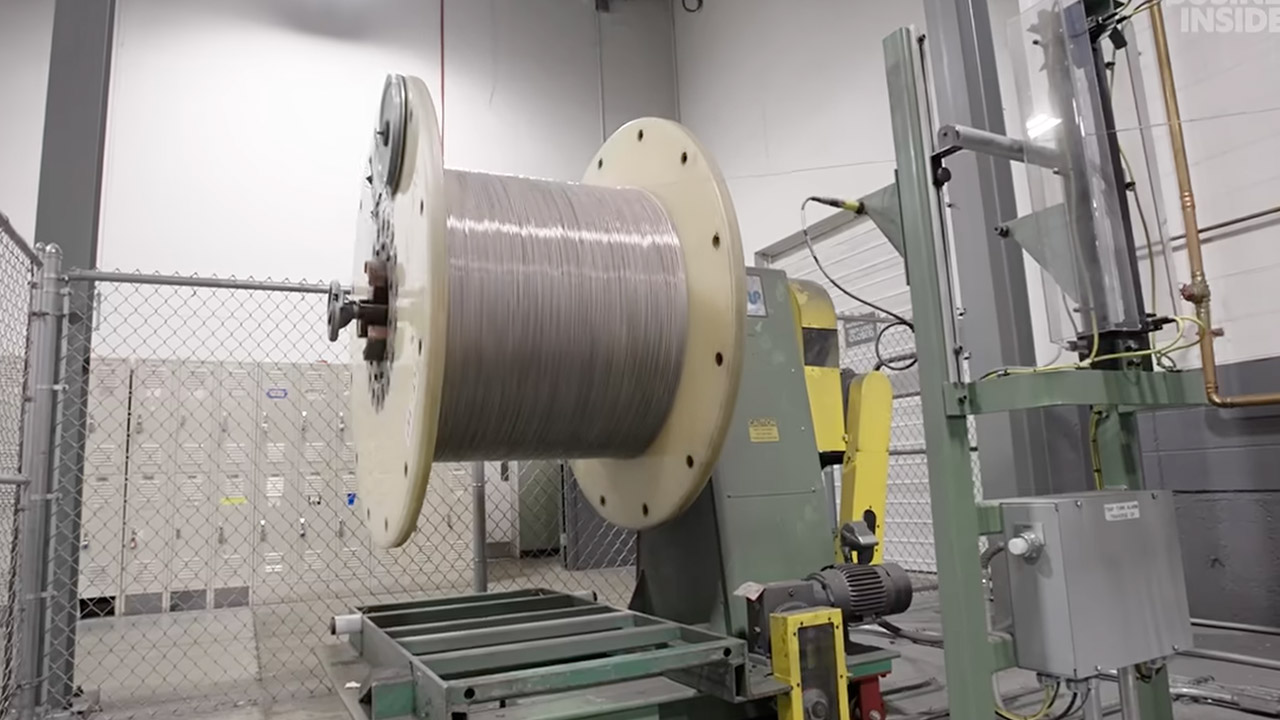
Almost every international email, video call, and cloud file travels through fiber-optic cables resting on the ocean floor, and the company that designs, builds, and installs a large share of them operates from a 50-acre campus in Newington, New Hampshire, where machines run around the clock turning hair-thin glass into the routes that connect continents. SubCom produces roughly 58,000 kilometers of cable each year at that site beside the Piscataqua River, with an expansion under way that aims for 77,000 kilometers by the end of 2026 and a longer-term target near 100,000 kilometers.
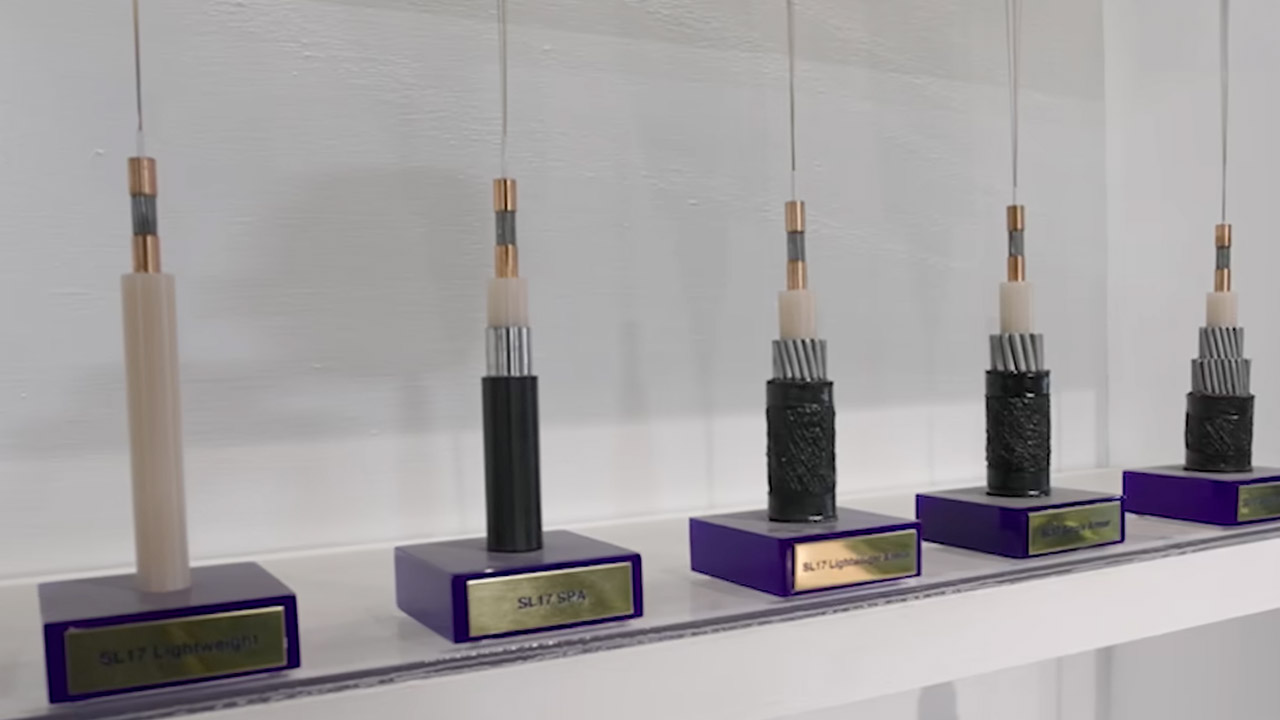
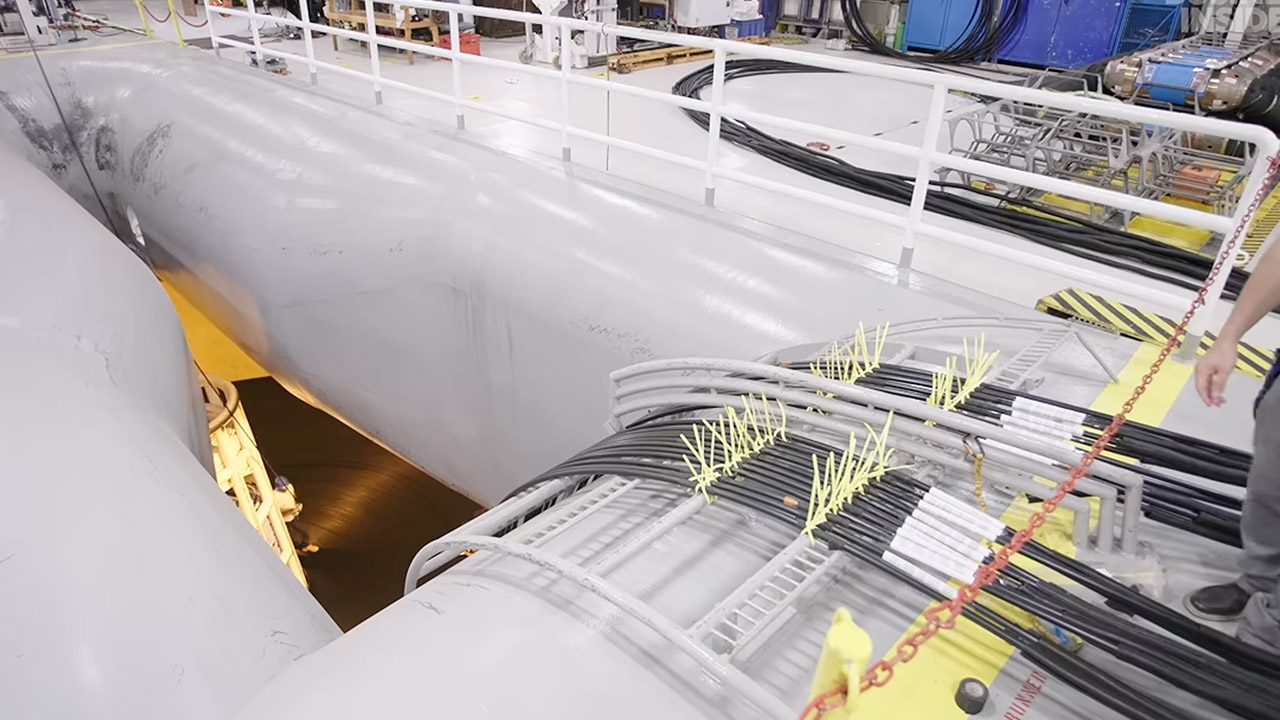
Custom sections receive additional protection from rocky bottoms or shallow water near the shore, whereas longer sections in the bottom of the ocean remain lightweight. Optical repeaters, large ungainly junctions spread out every few dozen kilometers, amplify light signals so they can travel thousands of miles without fading to bits. For good reason: trucking and rail simply would not suffice for the enormous volume necessary, so the finished cable is put directly onto a ship at the port.
Sale

Roam 7 BE3600 Wi-Fi 7 Portable Travel Router Dual-Band, 2.5G Port, USB 3.0
- 𝐏𝐫𝐢𝐯𝐚𝐭𝐞 𝐍𝐞𝐭𝐰𝐨𝐫𝐤 𝐀𝐧𝐲𝐰𝐡𝐞𝐫𝐞 – Roam 7 BE3600 connects to public Wi-Fi and creates a…
- 𝐑𝐨𝐚𝐦 𝟕 𝐁𝐄𝟑𝟔𝟎𝟎 𝐃𝐮𝐚𝐥-𝐁𝐚𝐧𝐝 𝐓𝐫𝐚𝐯𝐞𝐥 𝐑𝐨𝐮𝐭𝐞𝐫 – Delivers up to…
- 𝐂𝐨𝐧𝐧𝐞𝐜𝐭 𝐀𝐧𝐲𝐰𝐡𝐞𝐫𝐞, 𝐀𝐧𝐲 𝐖𝐚𝐲 – Offers (1) Router Mode for Ethernet or USB (phone…
The Newington works has a history dating back to the early 1950s, when it was founded as Simplex Wire and connection and played a role in bringing the first transatlantic telephone connection, TAT-1, online in 1956, using copper wire to transport electrical signals. This was a major changer, allowing a more dependable connection between North America and Europe to replace those unreliable radio lines, and commerce prospered. Over the next few decades, the same manufacturer transitioned to employing glass fiber, which carried much more information.
What’s interesting is that in the years leading up to TAT-1, the factory that would later become subcom was creating undersea listening stations for the US Navy’s sound surveillance system, codenamed Project Caesar, to assist locate Soviet submarines. Once that secret work was completed, the technology was released for commercial usage under the auspices of AT&T, before being sold to Tyco in 1997, renamed as TE Connectivity, and eventually acquired by Cerberus in 2018 for a handsome $325 million.
Cerberus then established a $2.3 billion single asset vehicle for SubCom in April 2026, led by CVC Secondary Partners, and raised more funds to further expansion. The transaction demonstrated how significantly subcom had expanded since 2018, as well as the fact that all of the major firms, including Google, Meta, Amazon, and Microsoft, had been acquiring new routes to connect their data centers. SubCom today controls 40% of the global market in terms of cable length deployed and, unlike any other company in the United States, can handle the entire process, from design to installation to maintenance. The remaining 60% of the market is dominated by Japanese NEC, French Alcatel undersea networks, and Chinese HMN technology. There are just a few ships in the world capable of laying these deep sea cables, and Subcom owns a few, including three that are part of the US cable security fleet.
SubCom reached one million kilometers of deployed cable in May 2025. This is quite an impressive figure, as it would be more than 25 times around the equator. The company has installed systems in over 60 countries and connected six of the seven continents. CEO David Coughlan points out that their total amount of laid cable has either directly or indirectly reached approximately 99 percent of the world’s population, with 15 Atlantic crossings and 13 Pacific crossings already completed, with a slew of others in the works in the Indian Ocean and Red Sea.
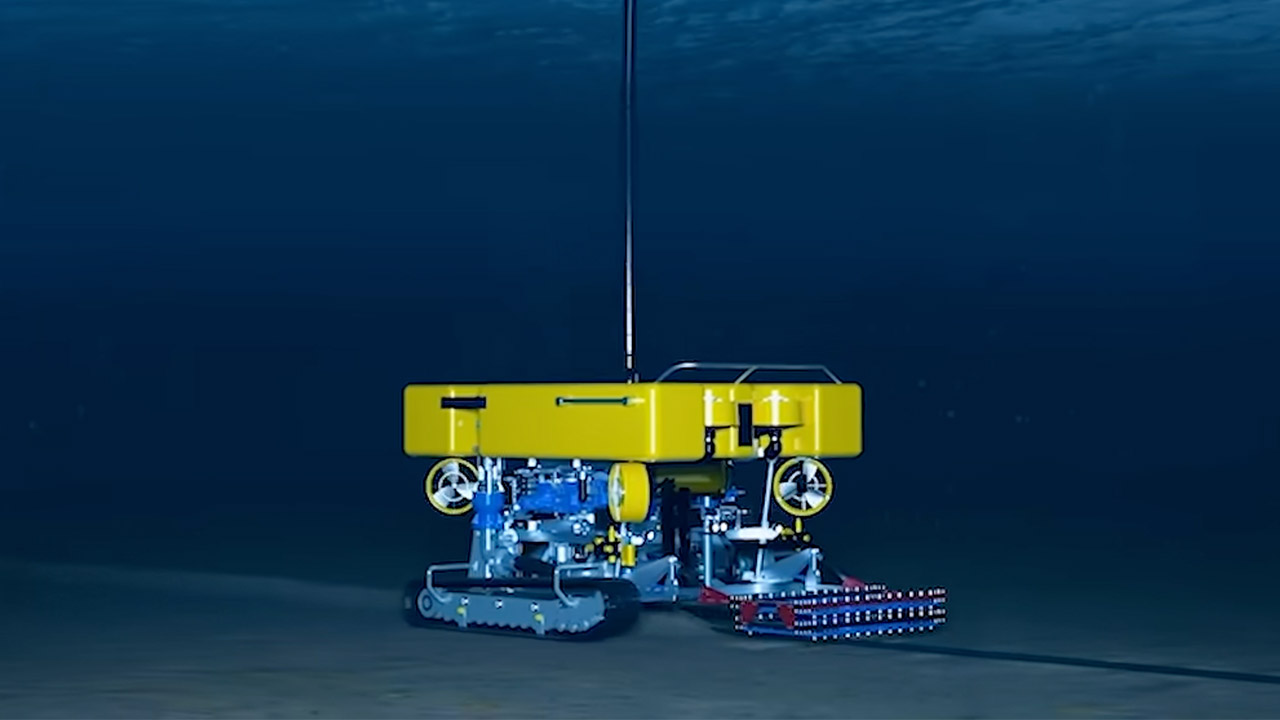
While that sounds like a done deal, it still takes years to obtain permits since every coastal government must approve the route, and there are security issues causing delays in locations like the Red Sea. The fact that the same factory in New Hampshire that used to make copper telephone cable is now producing the glass lines that carry the majority of intercontinental traffic is pretty cool, and to top it all off, the company’s ships and engineers get to finish things off by laying the cables on the seafloor for commercial networks, as well as some selected US government links.
How SubCom in New Hampshire Quietly Builds the Cables That Link the World’s Data
#SubCom #Hampshire #Quietly #Builds #Cables #Link #Worlds #Data