How a Gamer and Claude AI Boosted Frame Rates in Oblivion Remastered
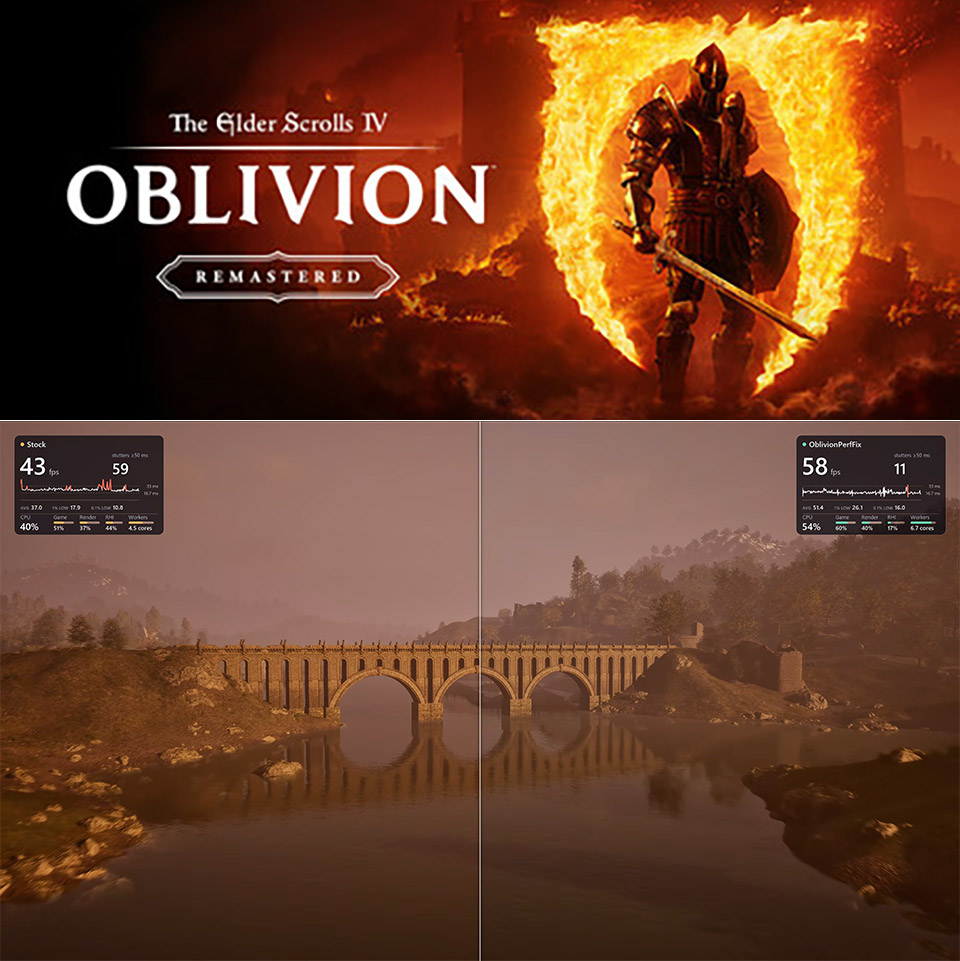
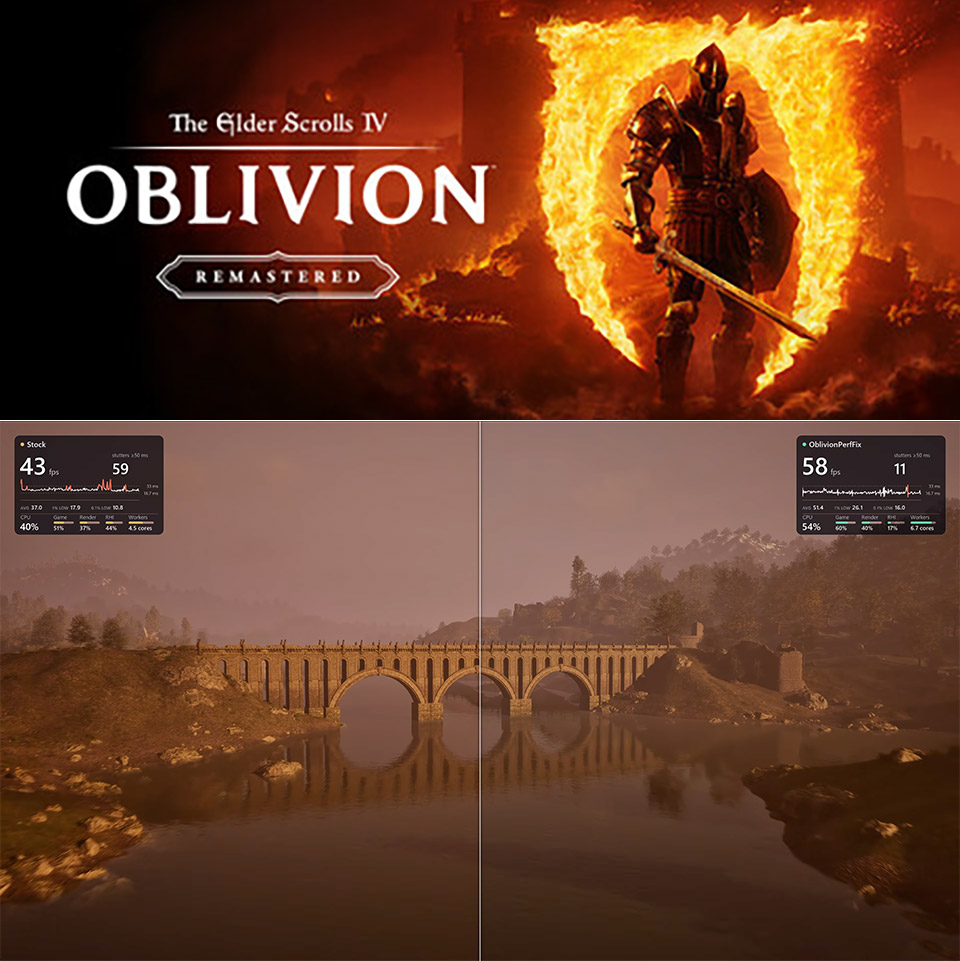
A longtime fan of The Elder Scrolls IV: Oblivion grew tired of the hitching and low frame rates that stuck around after the remaster arrived on PC. Even after moving from an older graphics card to a Radeon RX 9070 XT paired with a Ryzen 7 5800X and 32 GB of memory, towns still crawled and travel stuttered hard enough to pull him out of the world. He turned to Claude Opus 5.5 through Claude Code, linked his accounts for access to Unreal Engine source material, and spent roughly two and a half weeks directing the model through analysis, benchmarks, and changes while he kept playing and testing every result.
Claude discovered a few critical spots where the engine was constantly hammering away at things that did not need to be repeated. One obvious example was how the lighting system was constantly reconstructing the sun, sky, and other light-related calculations on each frame, even when the scene was as motionless as a statue, which is ridiculous given the rest of the engine’s CPU power is idle.

PlayStation®5 Digital Edition – 825GB
- Slim Design, players get powerful gaming technology packed inside a sleek and compact console design.
- 825GB of storage, keep your favorite games raeady and waiting for you to jump in and play
- Ultra-High Speed SSD, maximize yoru play sessions with near instant load times for installed PS5 games
You can see the same patterns in how the game was preparing DirectX 12 drawing commands, copying character skeleton data to the graphics card, handling cloth updates, and generally running around in circles with memory that it had just released a second ago and then had to ask for again the moment you moved from one location to another. That’s not all; globe streaming, physics updates for all those trees and boulders, and character loading in new locations were all stacking up in a single frame rather than being spread out as they should be.
Working from those findings, Claude and a collaborator came up with roughly 40 engine-level improvements, which they compressed into a tiny little DLL that launches with the game. The hack modifies how the game’s existing code runs in memory, allowing things like preparing drawing orders to be shared across multiple cores and avoiding wasteful copies and rebuilds. It also retains memory that is required immediately rather than discarding it, among other benefits.
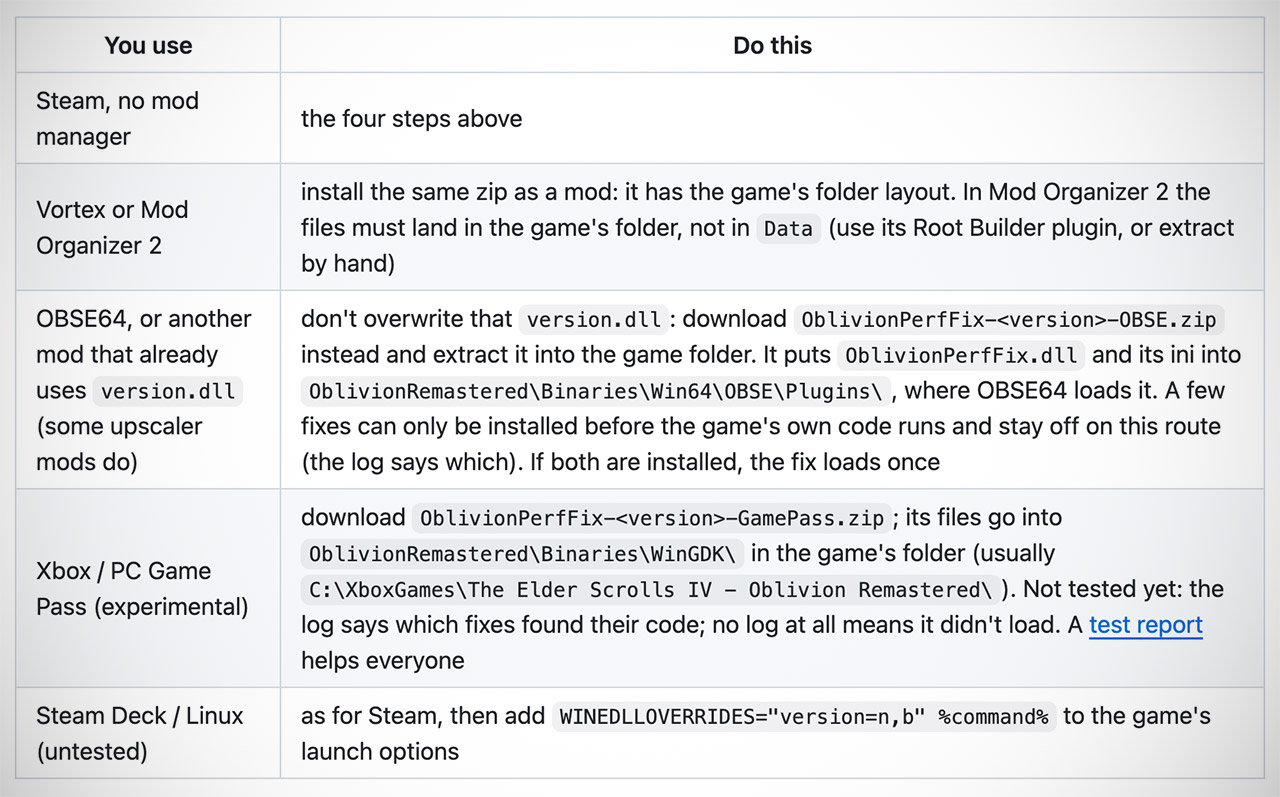
It also fixed a handful of bugs in both the original game logic and the remastered presentation layer, sped up menu openings, shortened the long freeze that hits when you step outside a door, and added proper support for AMD’s newer machine-learning frame generation on Radeon RX 9000 cards once the matching library file is in place. Screenshots taken with the mod on and off matched each other across different times of day and weather, so the image itself stays the same.

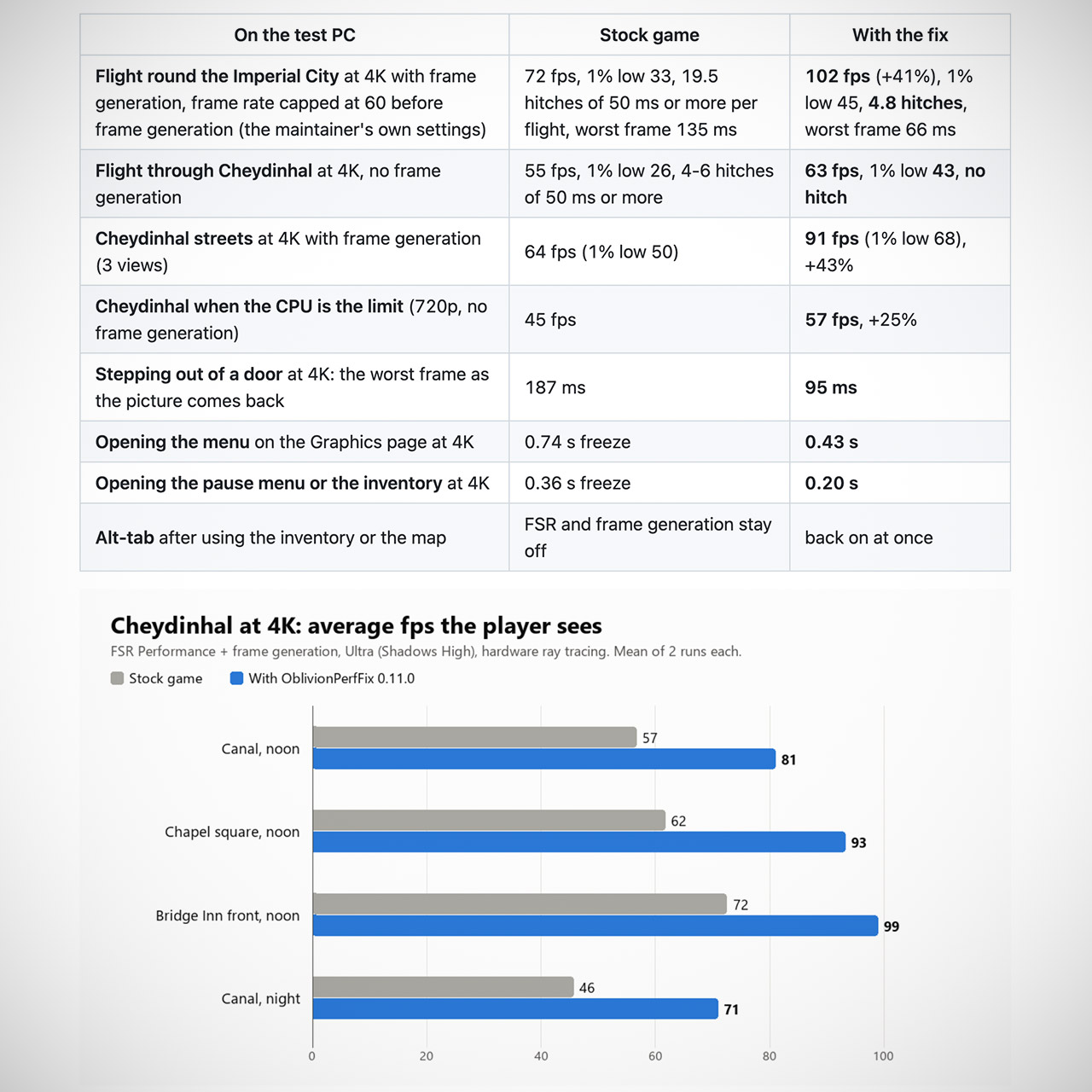
On the author’s machine, city exploration moved from roughly 30 frames per second to a stable 60. An Imperial City flight at 4K output with FSR Performance and frame generation rose from 72 to 102 average frames per second, with the worst 1 percent of frames climbing from 33 to 45 and long hitches falling from 19.5 to 4.8 per run. The project sits on GitHub and Nexus Mods as open source, complete with the source, a benchmark harness that can replay the same scenes automatically, and clear notes that the gains were measured mainly on one specific setup.
[Source]
How a Gamer and Claude AI Boosted Frame Rates in Oblivion Remastered
#Gamer #Claude #Boosted #Frame #Rates #Oblivion #Remastered