Horror as boy, 11, dies from rabies after waking up in bed with a bat in his mouth
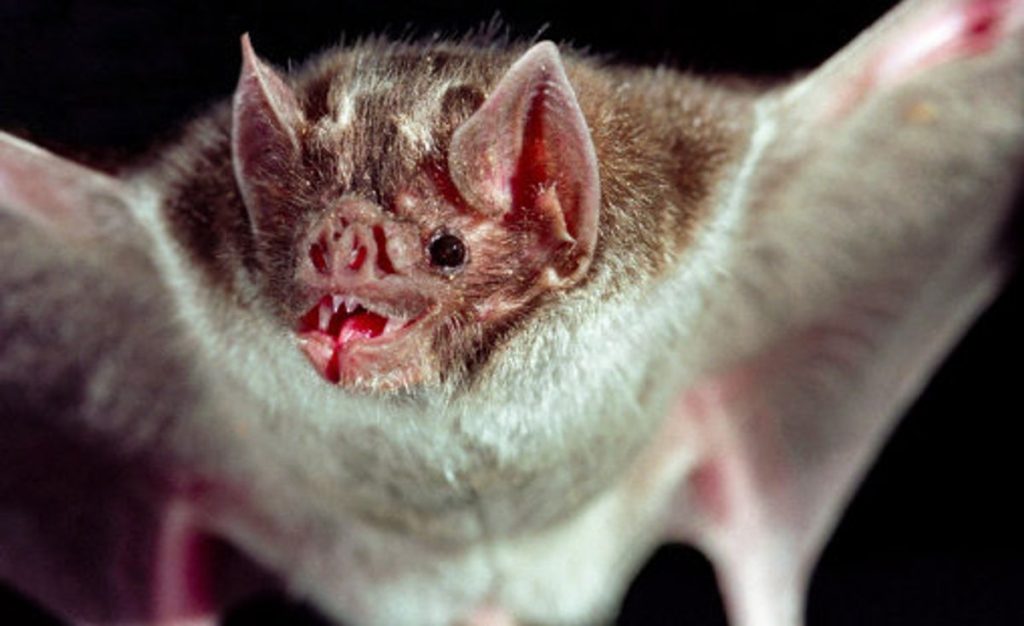
An 11-year-old boy has tragically assed away from rabies after waking up to find a bat lying across his mouth and nose in Canada’s first recorded death from the virus in over half a century.
The bat was found on the boys face when he woke up (Image:
GETTY
)
An 11-year-old boy died from rabies just 19 days after waking up to find a bat lying across his mouth and nose.
The youngster had no obvious bite or scratch marks, but doctors say that was enough for the deadly virus to infect him, according to a new report. The heartbreaking case was the first human rabies death recorded in the Canadian province of Ontario for more than 50 years.
Experts behind the report, published in the Canadian Medical Association Journal (CMAJ), hope it will help stop similar tragedies from happening again. Rabies is almost always fatal once symptoms begin.
But doctors say it can usually be prevented with rapid treatment known as post-exposure prophylaxis (PEP), which involves a course of rabies vaccines and immune globulin injections before symptoms develop.
Bats, raccoons, skunks and foxes are among the main carriers of rabies in North America.Bats are considered the biggest threat to humans because their bites and scratches can be so tiny that people don’t even realise they’ve been bitten.
In this case, the boy had no visible injuries after waking up with the bat on his face. Nineteen days later, he was rushed to hospital after developing vomiting, facial numbness and a “pins and needles” feeling.
By then it was too late. With no cure available once symptoms appear, doctors could only provide supportive care. The boy, who has not been named, later died from the virus, and his parents agreed to share his story in the hope of raising awareness about the dangers of rabies.
Dr Brian Hummel, one of the report’s authors, said: “Any direct human contact with a bat – even in the absence of a visible bite or scratch – is an indication for PEP and should be discussed with public health authorities.
“This is especially important to consider as we approach the summer months, when human-bat encounters are at their peak.”
He urged anyone who may have had contact with a bat or another wild animal that could carry rabies to seek medical help straight away.
Dr Hummel, a paediatric infectious disease specialist at McMaster Children’s Hospital and McMaster University in Ontario, added: “Rabies is almost always fatal, with no established effective therapies, making prevention crucial.”
He said rabies treatment is “highly effective” if it is given quickly after contact with a bat, even if there are no visible bite marks.
There have been 27 confirmed cases of human rabies in the UK since 1924.All but one were caught overseas, mainly after dog bites in South Asia or Africa before the patients returned to Britain.
The only recent UK-acquired case happened in 2002, when a licensed bat handler in Scotland died after catching a rabies-like virus. The UK has been free of terrestrial rabies – the type spread between animals such as dogs and foxes – for more than a century..
For the latest breaking news and stories from across the globe from the Daily Star, sign up for our newsletters.