Ebola expert names five key things Brits should do to avoid catching deadly disease
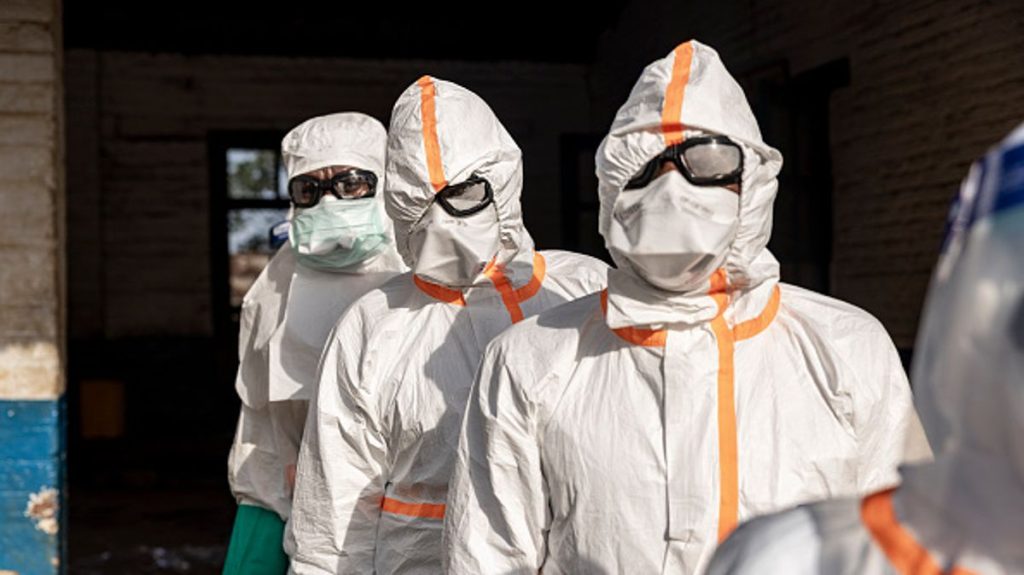
A doctor who works for a charity leading the fight against the ongoing ebola outbreak in central Africa has warned that Brits worried about the disease spreading to Britain should do five things

Dr O’Reilly spoke exclusively to the Daily Star
A leading Ebola expert told the Daily Star that Brits worried about the latest Ebola outbreak should follow five key steps to protect themselves.
Dr Katherine O’Reilly, who is the Medical Director at emergency response and health charity International SOS, said the current outbreak in Central Africa is extremely different from the Covid pandemic because it is not spreading through the air.
Dr O’Reilly said Brits should “monitor the situation closely“, especially in the countries where the illness is spreading rapidly, like the Democratic Republic of Congo, Uganda and South Sudan, and make sure to avoid “non-essential travel” to impacted regions.
She told the Daily Star: “Brits should defer non-essential travel to [affected areas] due to the Ebola outbreak,” and “not participate in high-risk activities such as funerals in outbreak areas”. As it is high risk to “touch/wash dead bodies.”
She also warns that Brits already in these areas should “avoid hospitals that are treating suspected Ebola cases.”
She explained: “Avoid direct contact with sick people and their bodily fluids. This includes items that may have been contaminated with fluids like bedding and clothing.”
“Do not travel if you are sick. Some locations have implemented screening, and travellers may face quarantine and testing.”
Despite online trends showing an increased concern about the outbreak, Dr O’Reilly stressed that Ebola is very different from Covid-19 and poses a far lower threat to the general public in the UK.
She explained: ” COVID-19 spreads through the air so transmits easily from person to person. Ebola spreads through direct contact with bodily fluids when a person has symptoms of or has died from Ebola.”
The expert also sought to reassure Brits that there are no cases currently linked to the outbreak that have been detected in the UK or elsewhere in Europe.
Dr O’Reilly said: “To date, no cases related to this current outbreak have been reported in Europe or the UK. An infected individual, and a high-risk contact, both aid workers, have been transported from DRC to Germany and the Czech Republic for treatment.”
According to US health officials, one US citizen diagnosed with Ebola has been transferred to Germany and is in a stable condition. Other US citizens with high-risk exposures have also been relocated to Germany and the Czech Republic for monitoring and treatment.
Explaining how people become infected, Dr O’Reilly said: “You can catch Ebola through direct contact with body fluids of an infected person or person who has died from Ebola, contact with contaminated objects (clothes, bedding, needles) and contact with infected animals.”
Dr O’Reilly also explained why Ebola outbreaks are more commonly seen in parts of Africa.
“Ebola originates in wild animals like fruit bats and primates. First infection is usually from animal to human,” she said.
Scientists studying the current Bundibugyo Ebola outbreak believe it likely began with a new transmission from animals to humans rather than continued spread from previous outbreaks. Early genetic analysis suggests the virus is distinct from strains responsible for outbreaks in 2007 and 2012.
The disease remains one of the world’s deadliest infections because it attacks multiple organs and can trigger severe bleeding.
Dr O’Reilly said: “Ebola is a Viral Haemorrhagic Fever. It attacks multiple organs and causes dehydration as well as internal and external bleeding. Cause of death is usually blood loss or organ failure.”
She added, “For the Bundibugyo strain, there is no specific treatment; early supportive medical care helps improve outcomes.”
For Brits worried about the outbreak, her overall message was reassuring.
“Risk in the UK is very low,” she said.
For the latest breaking news and stories from across the globe from the Daily Star, sign up for our newsletters.