Fascinating Look Back at NEC’s 1988 Monitor (PC-KD863G) That Came With Its Own PC Engine Already Inside
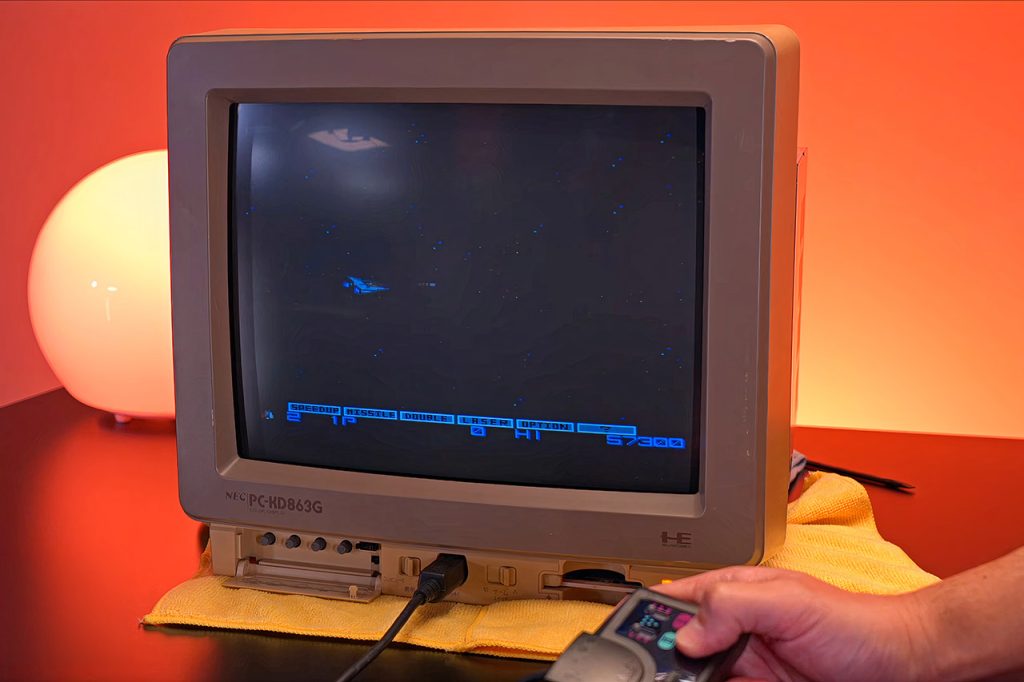
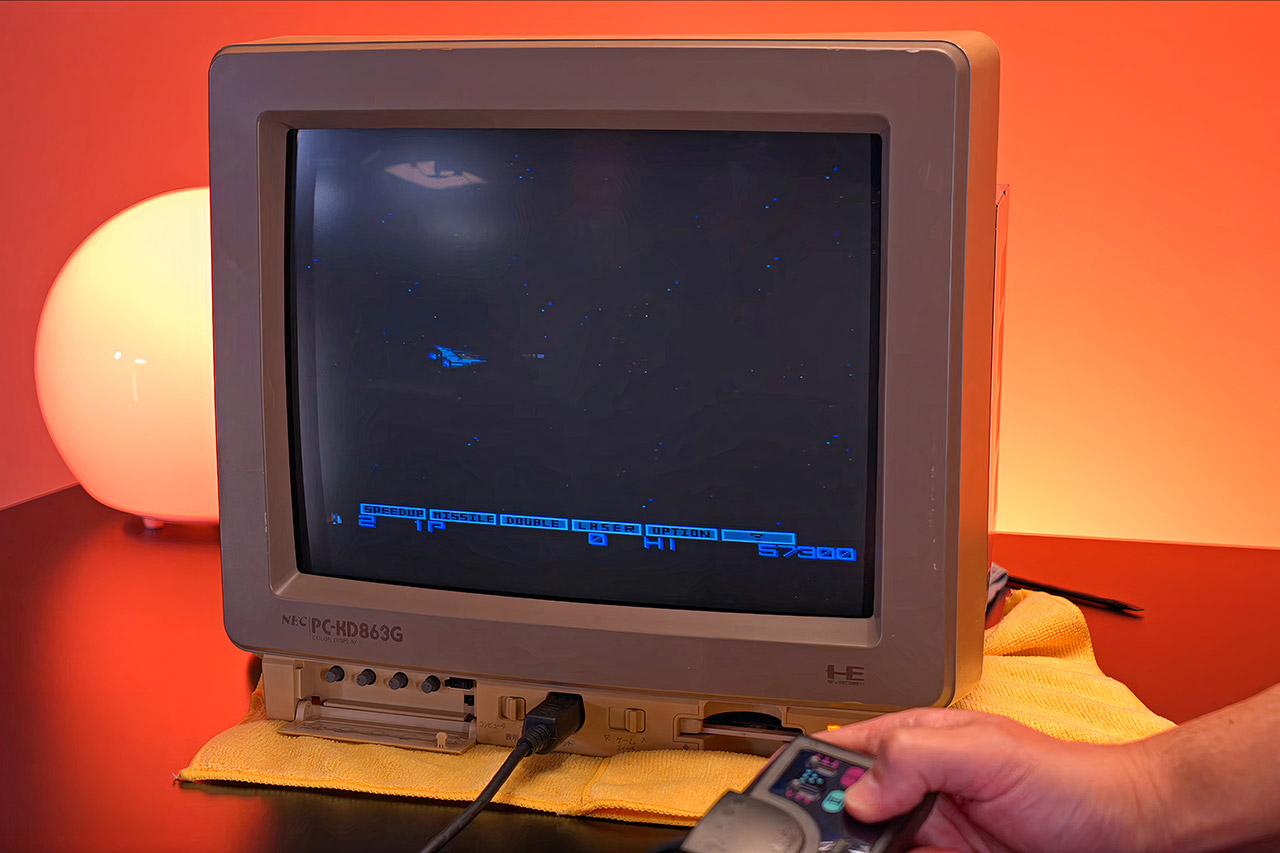
Back in 1988 most people bought a television and a game console as two separate purchases. NEC tried something different. The company released a 15-inch color CRT monitor that already contained a complete PC Engine console built into its lower section. Called the PC-KD863G, it launched on September 27 for 138,000 yen, a serious sum at the time that placed it well above the cost of a regular PC Engine plus a decent television.
The unit initially resembles a conventional beige office monitor from the early days, but a closer glance reveals the changes. On the right side, there is a slot for HuCards, the thin credit-card-sized game cartridges that came with the PC Engine. A controller port is located in the center of the bottom, along with a mode switch that allows the device to function as a game console or computer monitor. That same switch also holds a HuCard firmly in place once inserted, preventing you from unintentionally yanking it out while the device is powered on. Under a little flap, you’ll discover your typical picture and volume settings.

Retroid Pocket 5 Retro Handheld Game Console, 8+128G, 5.5-inch Touchscreen 1080p Portable Android Gaming…
- NO PRELOAD GAMES – Please note that no games are preloaded on Retroid Pocket 5. Before first use or after a long period of inactivity, the RP5 may…
- Powerful Performance – Equipped with a high-performance quad-core processor and advanced GPU, the Retroid Pocket 5 delivers smooth gameplay for…
- Vibrant 5.5″ Touchscreen – Enjoy crisp, vivid visuals on the 5.5-inch HD touchscreen display, offering intuitive controls and an immersive gaming…
Small stereo speakers on the monitor’s sides clip in place like a pair of ears and produce sound that is surprisingly generous given how widespread single speaker setups were at the time. The PC-KD863G’s primary selling factor is concealed from view – or rather, within the video path. Unlike a regular PC Engine at the time, which delivered its signal over RF and had to be tuned in on a TV, the PC-KD863G avoided that step entirely. The built-in console just transmitted an analog RGB signal directly to the CRT. The end result was a much clearer and sharper image, free of all the usual noise and softness associated with RF or early composite connections. It’s no surprise that game magazines took note, as staff bought devices particularly to run high-quality screenshots without the typical hassle.
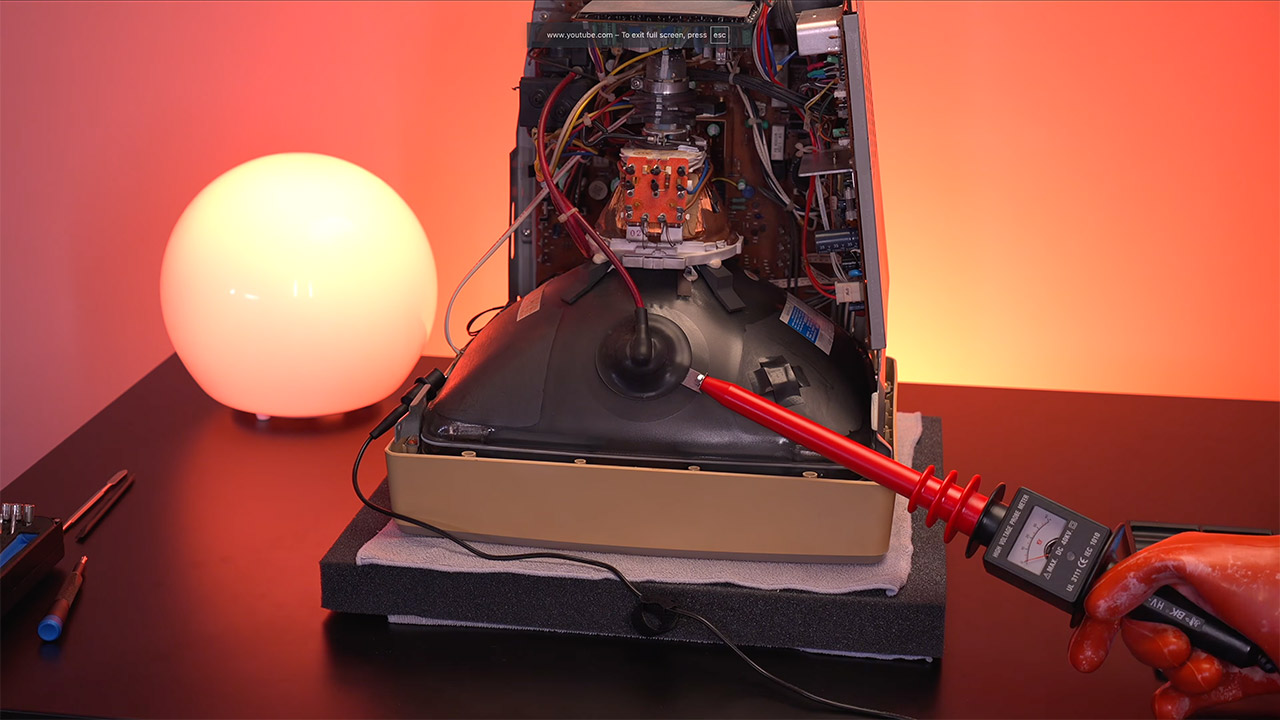
People could also use the monitor to do actual computing work because it had a 15-pin RGB input on the back that accepted signals from NEC’s PC-88 and PC-98 machines, as well as other compatible computers. Simply flick the front switch, and the same screen transforms into a high-resolution display for whatever you need to do, spreadsheets, documents, etc. They also employed a chassis from NEC’s MultiSync monitor line, which could easily handle the PC Engine’s 15 kHz signal while simultaneously supporting higher computer resolutions when necessary.
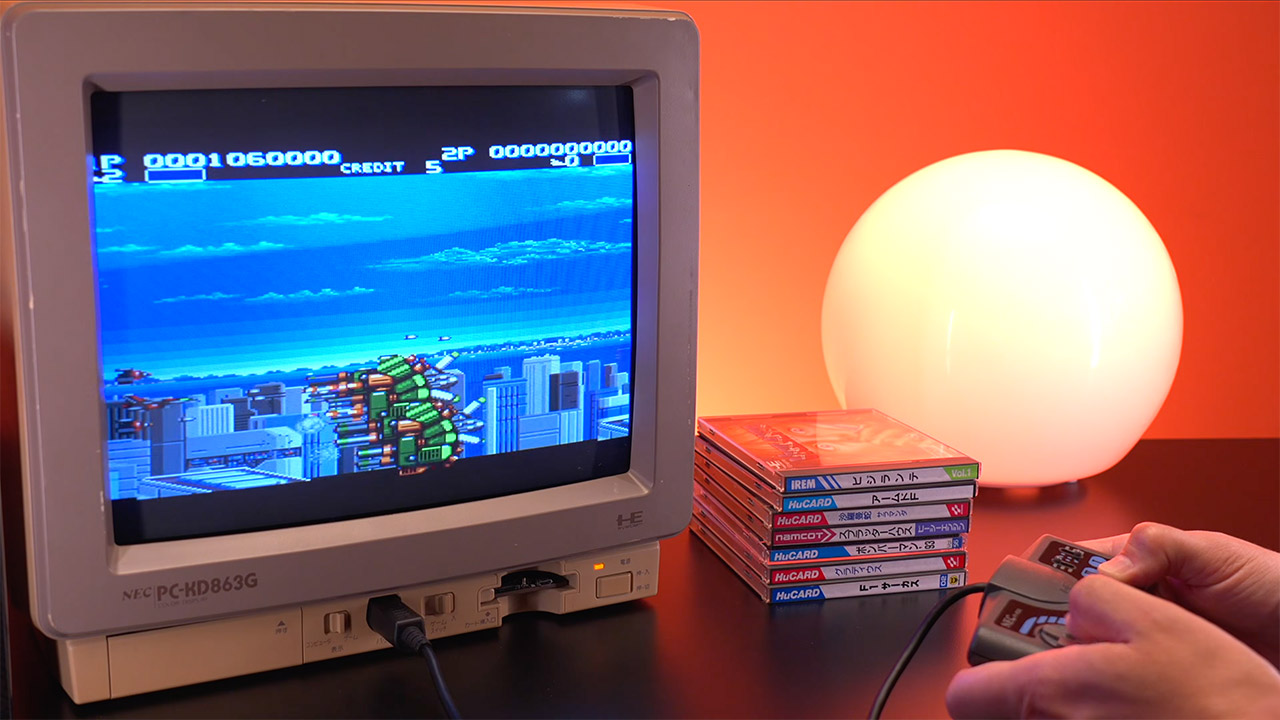
There were some limitations that prevented the concept from actually taking off. The built-in PC Engine part lacked the expansion bus seen on ordinary models, resulting in no CD-ROM drive, Ten no Koe voice peripheral, or easy memory expansion. Just as the PC Engine’s library began to transition toward CD-based games, this all-in-one box could only play a smaller HuCard selection. Furthermore, the price was simply too high, as many families already owned a TV, so paying extra for an integrated solution seemed like a waste when you could get a normal console and a TV for less and have a similar experience.
Fascinating Look Back at NEC’s 1988 Monitor (PC-KD863G) That Came With Its Own PC Engine Already Inside
#Fascinating #NECs #Monitor #PCKD863G #Engine