Microsoft’s Project Solara Puts AI Agents in Charge on Devices Made for Specific Kinds of Work
Microsoft used its Build 2026 developer conference to show a different direction for computing hardware. Instead of phones or laptops that run collections of apps, the company presented Project Solara as a platform where AI agents handle tasks directly. The setup targets smaller, purpose-focused gadgets that stay ready in places where pulling out a full device feels awkward or slow.
Microsoft’s Device Ecosystem Platform is based on a modified Android version. This additional layer contains enterprise-grade security controls, update and administration tools, and keeps the core lightweight enough to run on low-power platforms. As a result, devices running this platform do not install or launch standard applications. Instead, agents conduct tasks based on speech, touch, camera, or basic button inputs from multiple linked services.
Sale

Microsoft Surface Pro 2-in-1 Laptop/Tablet (2024), Windows 11 Copilot+ PC, 13″ Touchscreen Display…
- [This is a Copilot+ PC] — A new AI era begins. Experience enhanced performance and AI capabilities with Copilot+ PC, boosting productivity with…
- [Introducing Surface Pro 13” Touchscreen Display] — The most flexible, powerful 2-in-1 laptop and tablet with AI-accelerated Copilot+ experiences…
- [Flexibility at Any Angle] — Use with the detachable Surface Pro Flex Keyboard (sold separately). Shift from tablet to laptop to sketchbook with its…
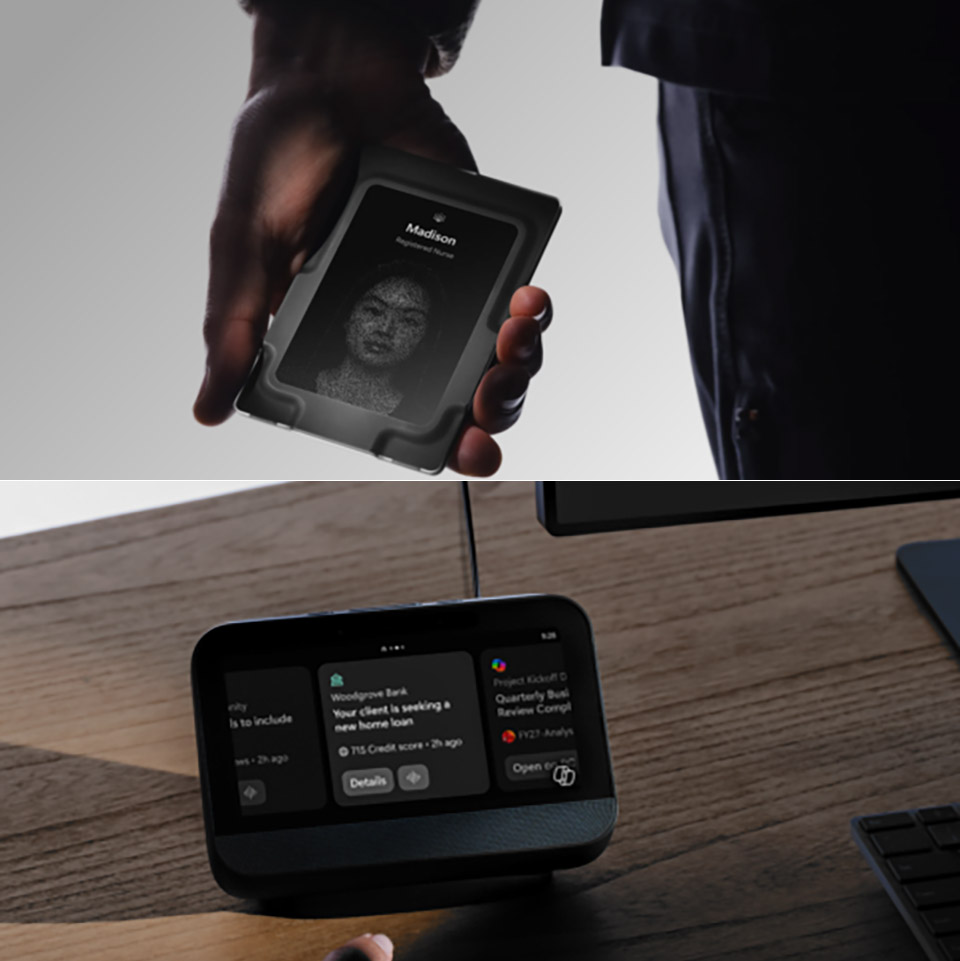
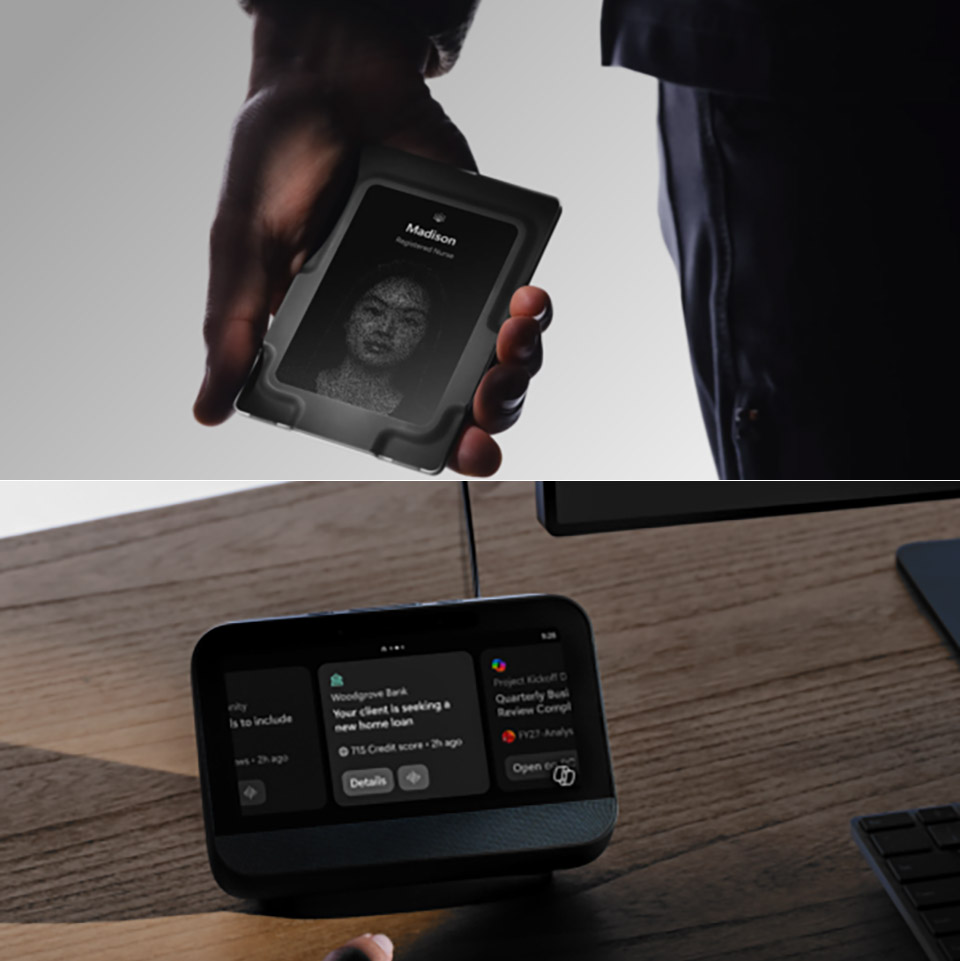
At the crowded event, two prototype designs put these concepts into practice. The initial device was a smart display that sits on your desk. It employs facial recognition to sign individuals in and gather what they need for the day. It can also accept a monitor connection and use it as a cloud Windows session as needed. The second one resembles an employee identification badge. A fingerprint button wakes up the agents, and a camera on the badge scans documents or QR codes. It also features a tiny screen and a microphone for further input.
Real-world testing demonstrated how these gadgets could be integrated into people’s daily activities. In a hospital, for example, the badge scanned a patient code and began documenting the visit, transcribing speech into notes, and monitoring vital signs and data. Without ever having to deal with smartphone apps or PCs. In an office, the similar badge scanned a whiteboard and led an agent to give more ideas based on the captured image. Meanwhile, the desk unit kept things moving by updating everyone on priorities and distributing tasks to neighboring computers as needed.
Because agents do not rely on fixed panels or pre-built menus for a particular piece of hardware, the technology transforms the appearance of interfaces significantly. They generate whatever is available at the time, whether it’s a spoken response, a quick remark on the badge screen, or a more extensive layout when a larger screen is connected. The good news is that the same logic will work on any device, regardless of size or input method, removing the need to write separate code for each device.
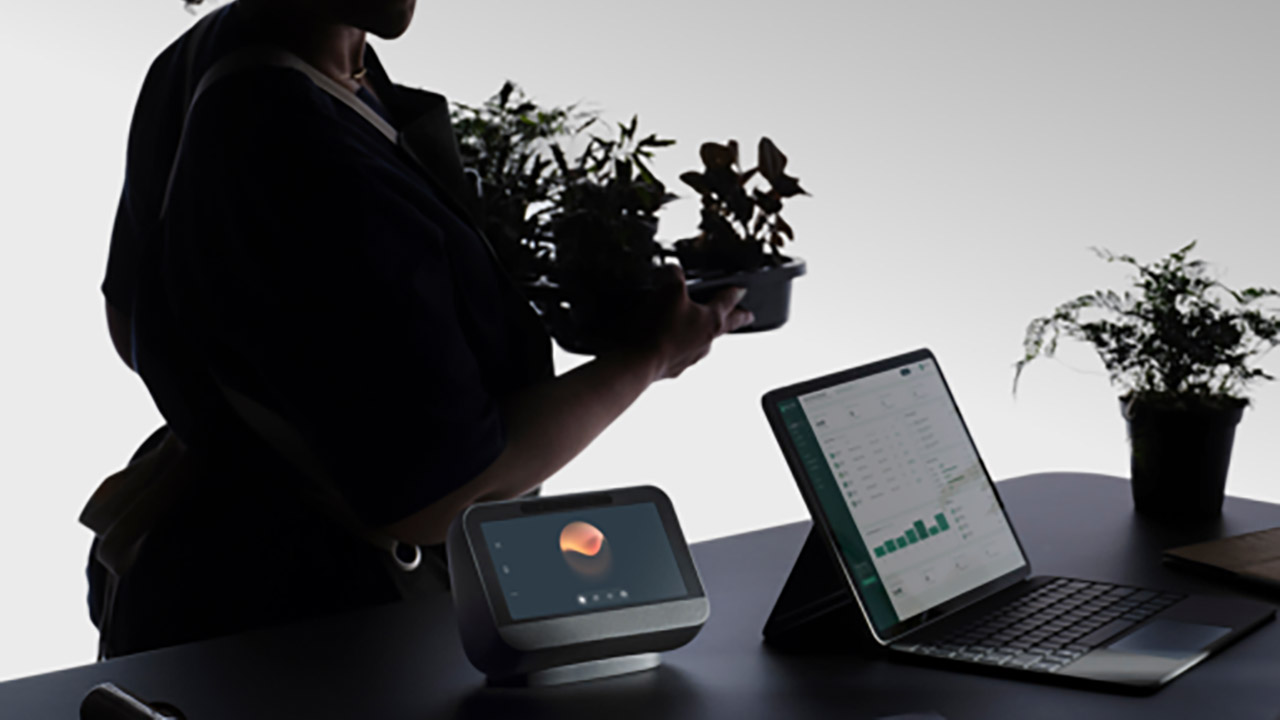
Agents can continue to work in the background alongside others because a layer of coordination decides which one to use for each request and routes the data between them. One person may be searching for calendar information, another may be checking a document library, and a third may be transcribing what has just been said. The system keeps all of the information online in services, ensuring that everything stays in sync even if you use the badge, desk unit, or another device later.
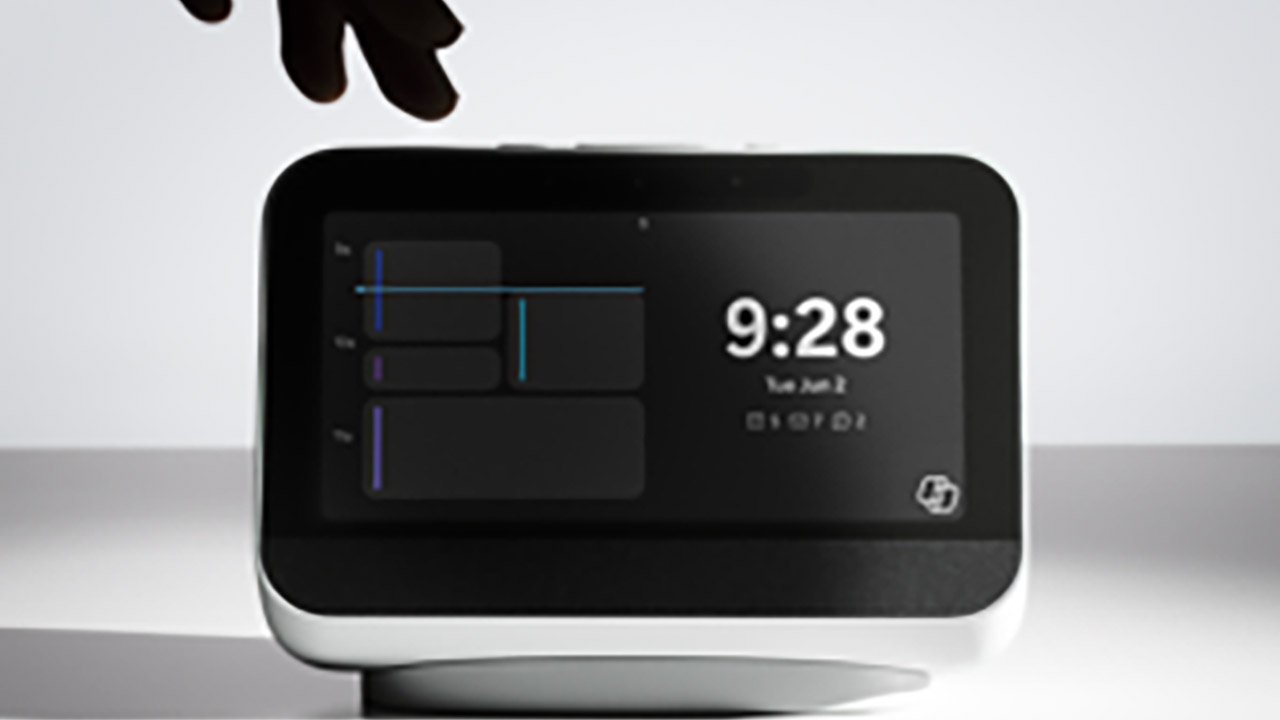
Business users emphasize security and control, thus the system includes biometric sign-in, microphone mute switches, and existing corporate tools to keep administration running smoothly. Data stays tied to approved accounts and policies, as the design just leaves less surface area for potential issues than phones with a slew of unrelated apps installed.
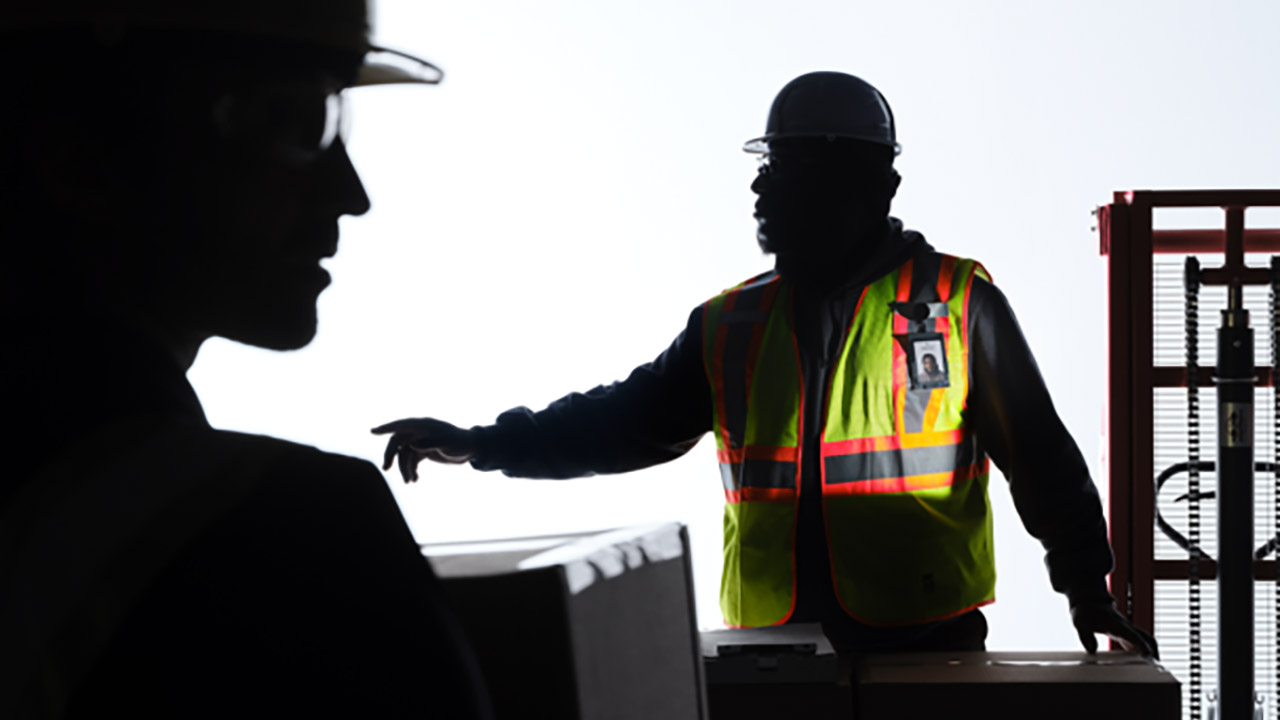
Several companies, including AccuWeather, Best Buy, CVS Health, Levis, and Target, will put the concepts to the test in their own processes over the coming months. Microsoft has also undertaken internal trials with its own personnel, including nurses and frontline workers, to see how these agents can help in a variety of professions.
Microsoft’s Project Solara Puts AI Agents in Charge on Devices Made for Specific Kinds of Work
#Microsofts #Project #Solara #Puts #Agents #Charge #Devices #Specific #Kinds #Work