Hundreds dead as ‘no vaccine’ virus outbreak triggers border closures
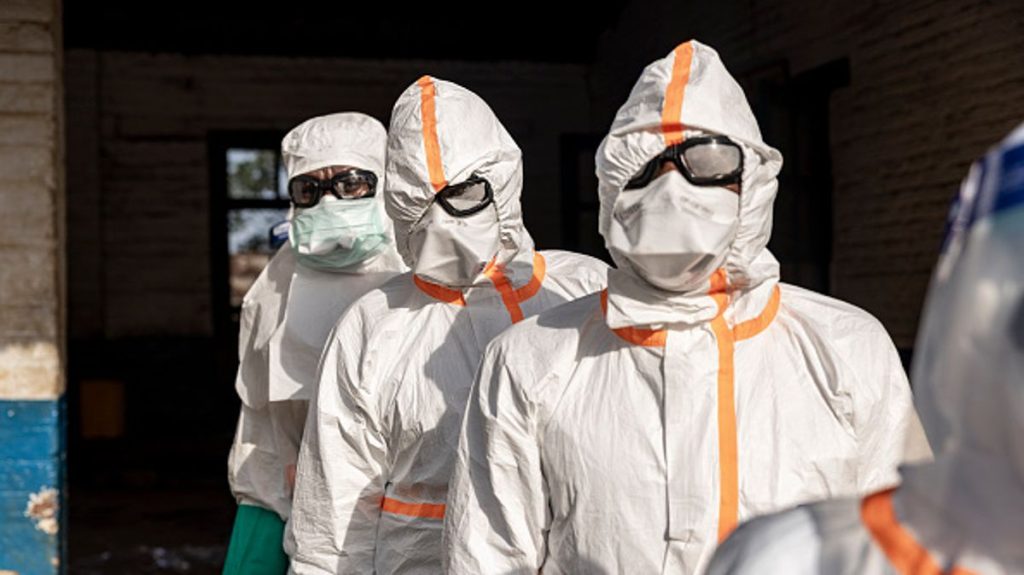
A virus outbreak has triggered chaos as nationals from the DRC, Uganda and South Sudan have been banned from entering a number of countries after a virus outbreak has been sparked

The outbreak has claimed the lives of a suspected 220 people so far
Hundreds of people have died in a grim disease outbreak after a virus strain with no vaccine led the World Health Organisation to dub the incident a “catastrophic collision of disease and conflict”.
The outbreak has now triggered border closures between neighbouring nations and restrictions on international travel as governments attempt to curb the spread of the virus and stop it from going international.
Since the Ebola outbreak in the Democratic Republic of the Congo was declared a international health emergency by the WHO, the strain is suspected to have claimed the lives of 220 people. The Bundibugyo strain (as it’s officially called) responsible for the Ebola outbreak currently does not have a vaccine available for it.
WHO advisor Dr Vasee Moorthy has said two possible “candidate vaccines” against the Bundibugyo strain are being developed.
However neither have gone through clinical trials yet. Canada has announced a 90-day entry ban for residents from DRC and neighbouring Uganda and South Sudan on entering the country. Last week, Uganda announced an immediate border closure with the DRC due to the Ebola outbreak.
Despite the border closure, medical and humanitarian workers, food transporters and security personnel are still allowed to enter and exit the neighbouring countries under strict conditions. In a statement posted on social media, WHO boss Dr Tedros Adhanom Ghebreyesus has called for the cessation of ongoing armed conflict in the DRC to help tackle the virus outbreak.
He added the WHO is unable to “build community trust or isolate the sick while bombs are falling”. Dr Tedros said: “Yet ongoing clashes are driving mass displacement, pushing exposed contacts into overcrowded camps and severing critical containment corridors.”
“Frontline workers are risking everything, while attacks on health facilities make tracking cases and their contacts nearly impossible.”
Ewald Stals, the MSF director in the Democratic Republic of the Congo, has said the medical group and other charities are working to get medical supplies to the centre of the outbreak. But poor transport links have led to difficulties in battling the outbreak. Stals said: “We’re still far behind having a control on the situation.”
He added: “We still do not have a full picture of what is happening, and that is mainly due to insufficient testing. As long as that is the case, we can say that the virus is still ahead of us.”
Symptoms of Ebola are similar to those of other diseases such as Mpox and Malaria, making them harder to identify and control. The country is also home to massive forests, with close contact to wild animals raising the risk of diseases jumping from animals to human.
Ebola symptoms generally start between two and 21 days after being infected. The symptoms can seem flu-like at the start, with primary complaints being things like a high temperature, extreme tiredness and headaches according to the NHS .
Symptoms include bleeding from your ears, eyes, nose or mouth, muscle pains, sore throat, blood in vomit or poo and bleeding from nose, gums or vagina. Most people are aware of the bleeding symptoms of Ebola but the WHO notes this is a less common symptom and often appears in later stages of the disease.
For the latest breaking news and stories from across the globe from the Daily Star, sign up for our newsletters .