‘Very high risk’ Ebola strain causes chaos as worldwide outbreak warning issued
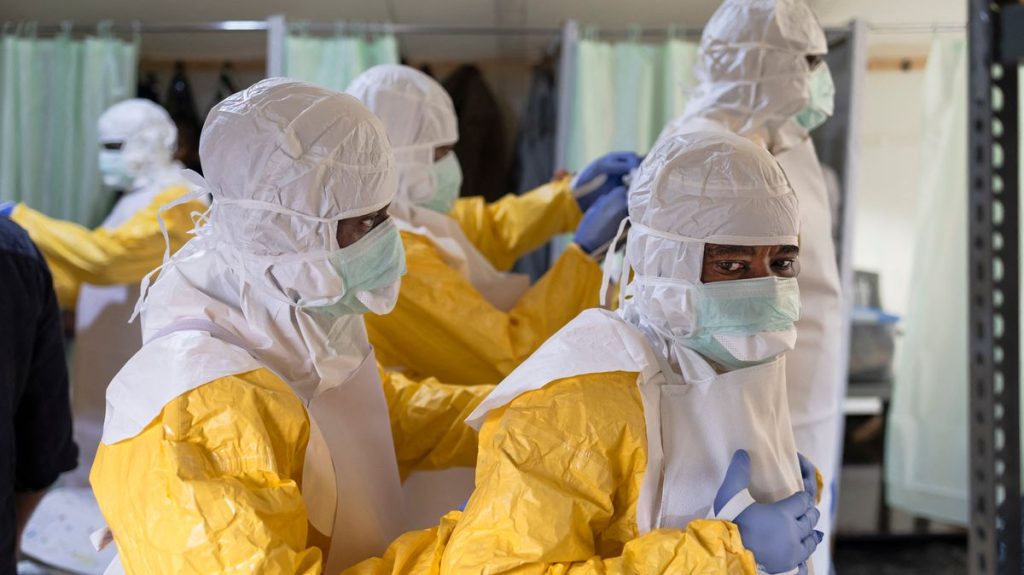
World Health Organisation officials have warned that the ongoing conflict in the region is causing the spread in DR Congo, as well as improper burials and poorly equipped hospitals

A deadly strain of Ebola is still spreading through DR Congo(Image: AFP via Getty Images)
The World Health Organisation (WHO) has warned that the risks posed by a rare Ebola strain are still “very high” and that the spread is linked to several different factors.
While the deadly Bundibugyo strain has seemingly been brought under control in Uganda, the lethal virus is still spreading across neighbouring DR Congo, which is also experiencing mass unrest due to conflict between the national army and rebel groups.
According to WHO: “The risk in the Democratic Republic of the Congo remains assessed as very high due to ongoing transmission and the continued expansion of the outbreak into new health zones, increasing the potential for further national and regional spread.”

Ebola still poses a real threat in DR Congo (Image: AFP via Getty Images)
While many factors are contributing to the continued spread of the Bundibugyo strain, WHO officials have stated that the conflict in the region is central to the issue.
According to the health body, the fact that people are being forced to continually move to avoid the violence, as well as the fact that food and clean water supplies have been impacted, have all contributed to the spread.
A WHO report explained: “”The outbreak continues in a complex humanitarian and conflict-affected environment, characterized by highly mobile and often displaced populations, many of whom have limited access to basic services, including food, clean water, shelter, health care and protection.”
The report added that fighting and insecurity are preventing health workers from reaching patients, while crowded camps make the virus easier to spread.

WHO say that regional conflict has helped the deadly virus spread(Image: AFP via Getty Images)
It reads: “These conditions increase the risk of transmission, particularly in overcrowded sites for internally displaced people. Security incidents affecting health facilities have created additional operational challenges… including restricted access for response teams, disruption of surveillance and response activities and an increased risk of undetected transmission.”
WHO also warned that other factors include hospitals not being properly equipped and bodies of victims not being buried appropriately.
WHO stated: “”Transmission is particularly amplified in health-care settings when IPC measures are inadequate and during unsafe burial practices involving direct contact with deceased persons.”

WHO also say that improper burials are helping the disease spread(Image: AFP via Getty Images)
The report added that high infection rates are also caused by an increase in testing, writing: “”Rapid recognition of cases, testing and optimized supportive care can reduce mortality, and improve community perceptions and acceptance of health care within the response.”