Unreal Engine 5.8 Gives World Builders Powerful New Ways to Handle Terrain, Vegetation, and Lighting

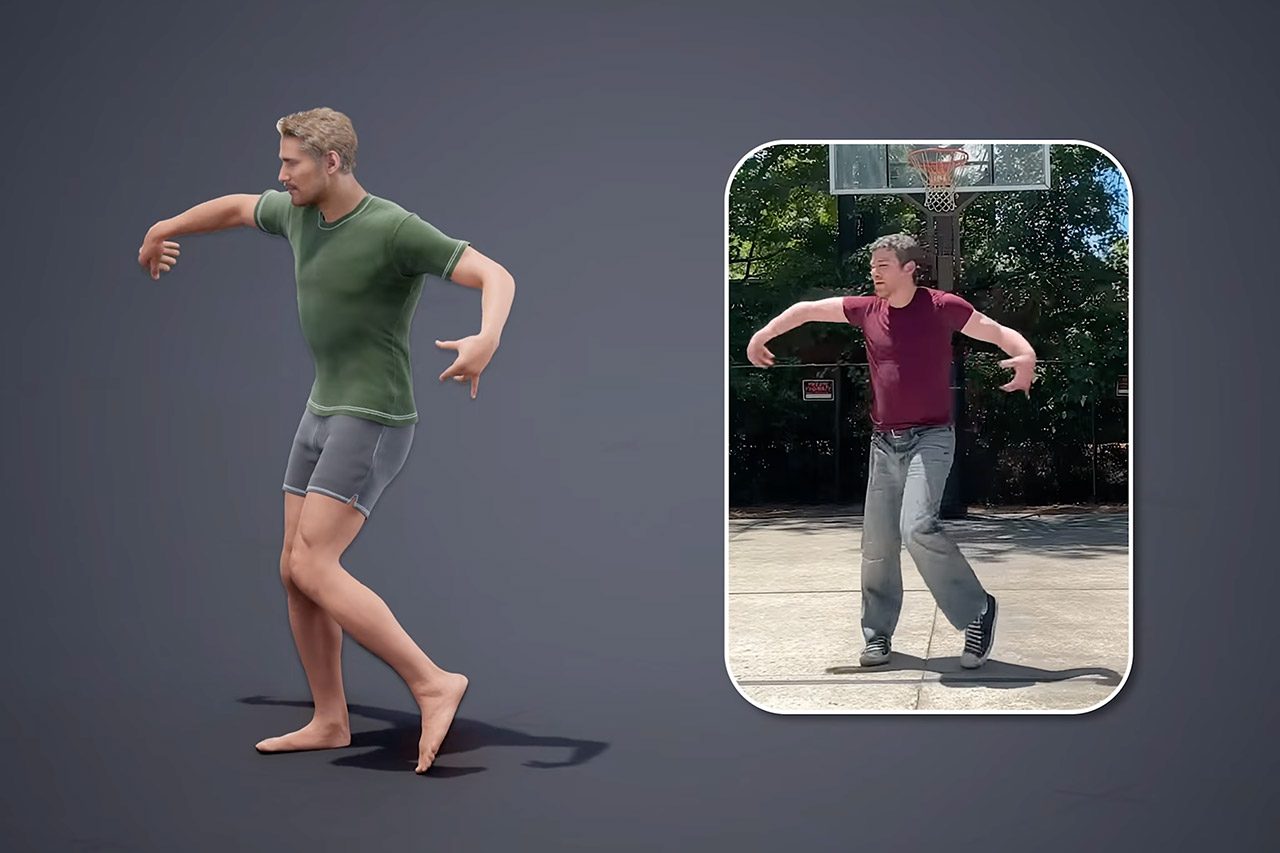
Unreal Engine 5.8 reached developers this week with updates that target real friction points in large-scale projects. The release emphasizes tools that let teams create more complex environments while keeping performance manageable across a broader set of hardware. An experimental plugin also introduces a structured way for large language models to interact with projects, opening a fresh avenue for assistance during development.
Mesh Terrain, a totally new experimental terrain technology, breaks loose from the long-standing heightfield technique. Mesh Terrain works with full-fledged three-dimensional meshes rather than two-dimensional maps, making things like overhangs, tunnels, floating islands, and all sorts of odd-shaped items extremely easy to design from scratch. The best part is that it integrates seamlessly with World Partition and works with the Procedural Content Generation graphs, allowing procedural rules and manual sculpting to coexist without the need for endless rewrite. When upstream changes occur, nondestructive modifiers activate and automatically update the landscape, keeping iteration cycles short even when your world becomes extremely large and sophisticated.

Alienware Aurora Gaming Desktop ACT1250 – Intel Core Ultra 7 265F, 32GB DDR5 RAM, 1TB SSD, NVIDIA GeForce…
- Legend perfected: Modern design with a matte basalt black finish in an optimized chassis with customizable AlienFX lighting zones, including the…
- Game changing graphics: Step into the future of gaming and creation with the NVIDIA GeForce RTX 5070 graphics, powered by NVIDIA Blackwell…
- Marathon gaming unlocked: This high-performance technology ensures clean energy is consistently available, unleashing the top-level power of Intel…
The Procedural Vegetation Editor introduces a new experimental tool for vegetation authoring. This thing lets you grow trees, bushes, and ground cover that look like they’re responding to light and space in a totally believable way, and plants compete with each other and cluster naturally according to the rules of nature, but don’t get the impression that you’re stuck with whatever the procedural system comes up with, because artists still have control over the results through sculpting tools and basic editing commands that sit right on top of the procedural foundation. If you have meshes created in other modeling applications, the system is ideal for importing them, and the result is perfectly compatible with Nanite, ensuring that your high detail stands out even from a distance. It also reduces the number of time-consuming journeys between different content tools and the engine during environment work.
With Global Illumination through Lumen, you now have a completely new Lite mode that retains all of the visual charm of dynamic lighting while costing around half the GPU of the higher grade level. It uses irradiance fields and probe occlusion to maintain the nice sensation of bouncing light and atmosphere without incurring excessive processing costs. This implies that projects that rely on rich indirect lighting can still achieve 60 frames per second on hardware such as the Nintendo Switch 2, and PC users will have even more options for balancing quality versus frame rate or power consumption. As a result, teams now have much clearer options for allocating precious performance resources without compromising the lighting quality that helps a scene seem grounded.
An experimental plugin based on the Model Context Protocol allows any suitable large language model to connect to an Unreal Engine project and understand its structure. Blueprints, assets, levels, materials, and meshes are now readable by the model, which is extremely useful for activities such as content production, system extensions, testing, and optimization. Because of the open-standard design, you are not limited to working with a single supplier and can choose whatever large language model is most appropriate for your needs. This remains an optional, confined feature, allowing studios to gradually integrate AI help without changing their core pipelines.
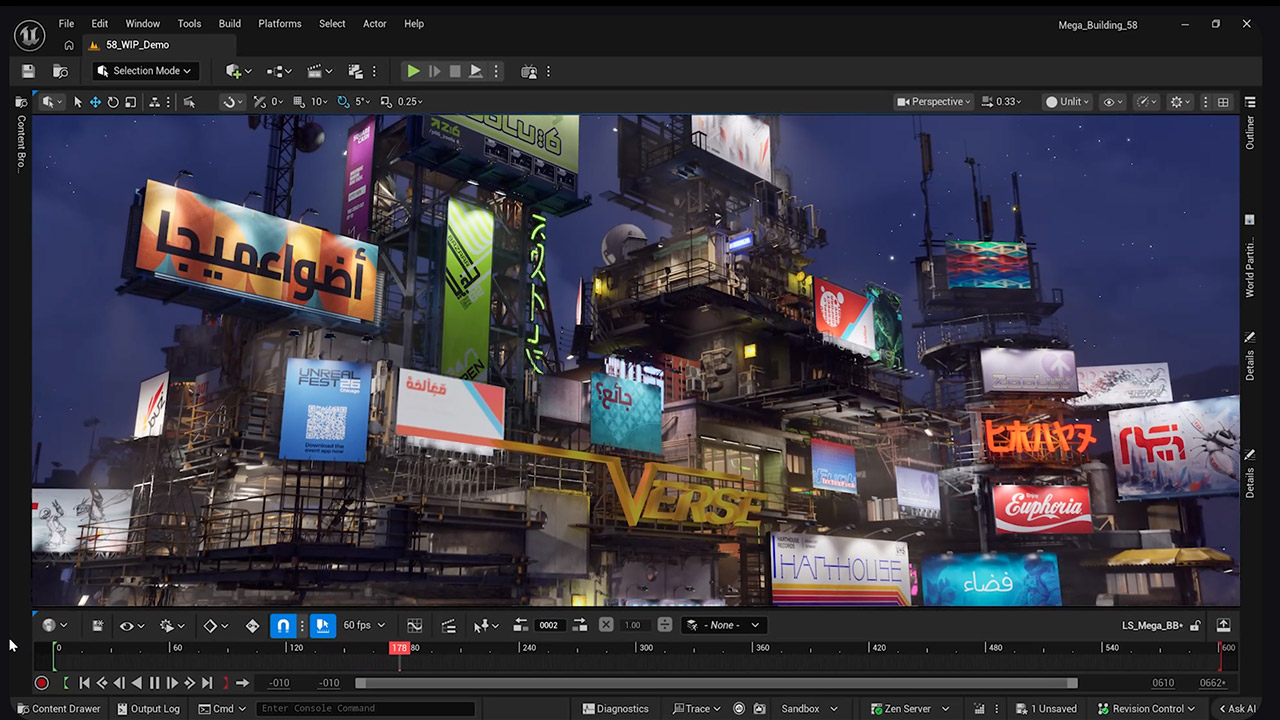
MegaLights have finally reached production readiness with this latest release. The system can now handle a large number of dynamic, shaded area lights while maintaining extremely low noise levels, resulting in clear, crisp results. In terms of speed, we’re striving for a smooth 60 frames per second on today’s consoles, and we’ve included some new debugging tools to assist you figure out where all that lighting is taking up your frame time. That implies that scenarios that were previously limited by lighting budgets may now go all out with more realistic, layered, and reactive lighting setups, with significantly less sacrifice than before.

Procedural Content Generation has now received a significant boost, as you can now make manual adjustments to generated content on the fly without breaking ties with your upstream parameters, allowing you to easily apply your art direction to all of that automated stuff. As a result, Control Rig Dynamics has converted to a new particle-based solver, which can process runtime effects up to five times faster than before. That’s not all, MetaHuman Collections makes it simple to populate your scenes with crowds that appear extremely lifelike and adjust to camera distance, and it works seamlessly on everything from mobile technology to high-end equipment. You can download the latest update from the Epic Games Launcher right now and start incorporating these new features into whatever project you’re working on, whether it’s old or new.
[Source]
Unreal Engine 5.8 Gives World Builders Powerful New Ways to Handle Terrain, Vegetation, and Lighting
#Unreal #Engine #World #Builders #Powerful #Ways #Handle #Terrain #Vegetation #Lighting