Skyrover V1 Drone Extends Airtime and Strengthens Low Light Sensing for Outdoor Flights
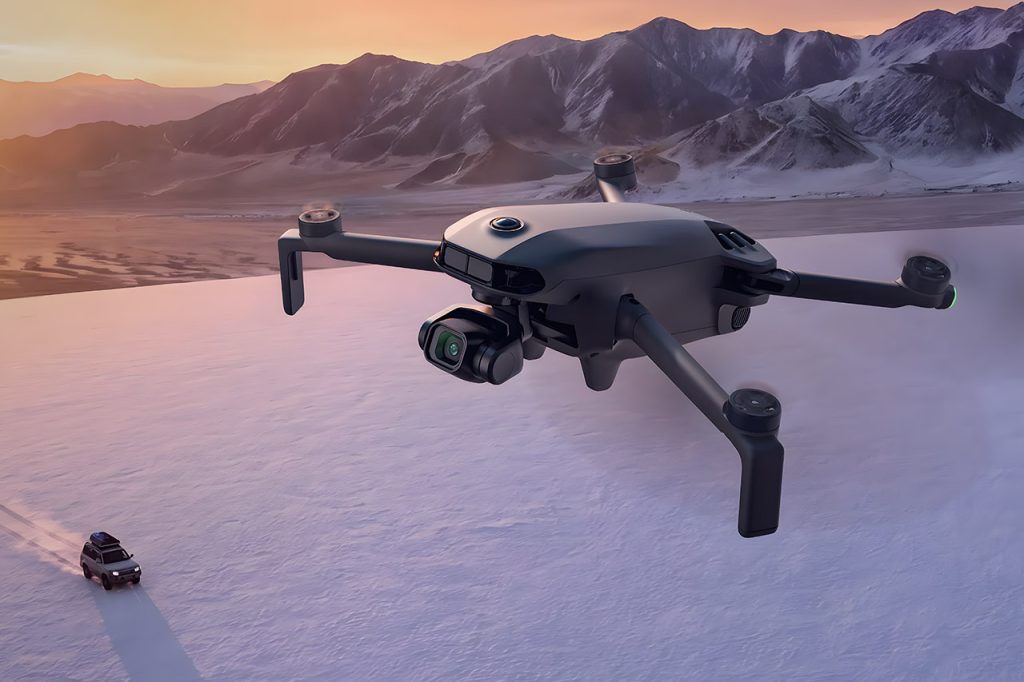
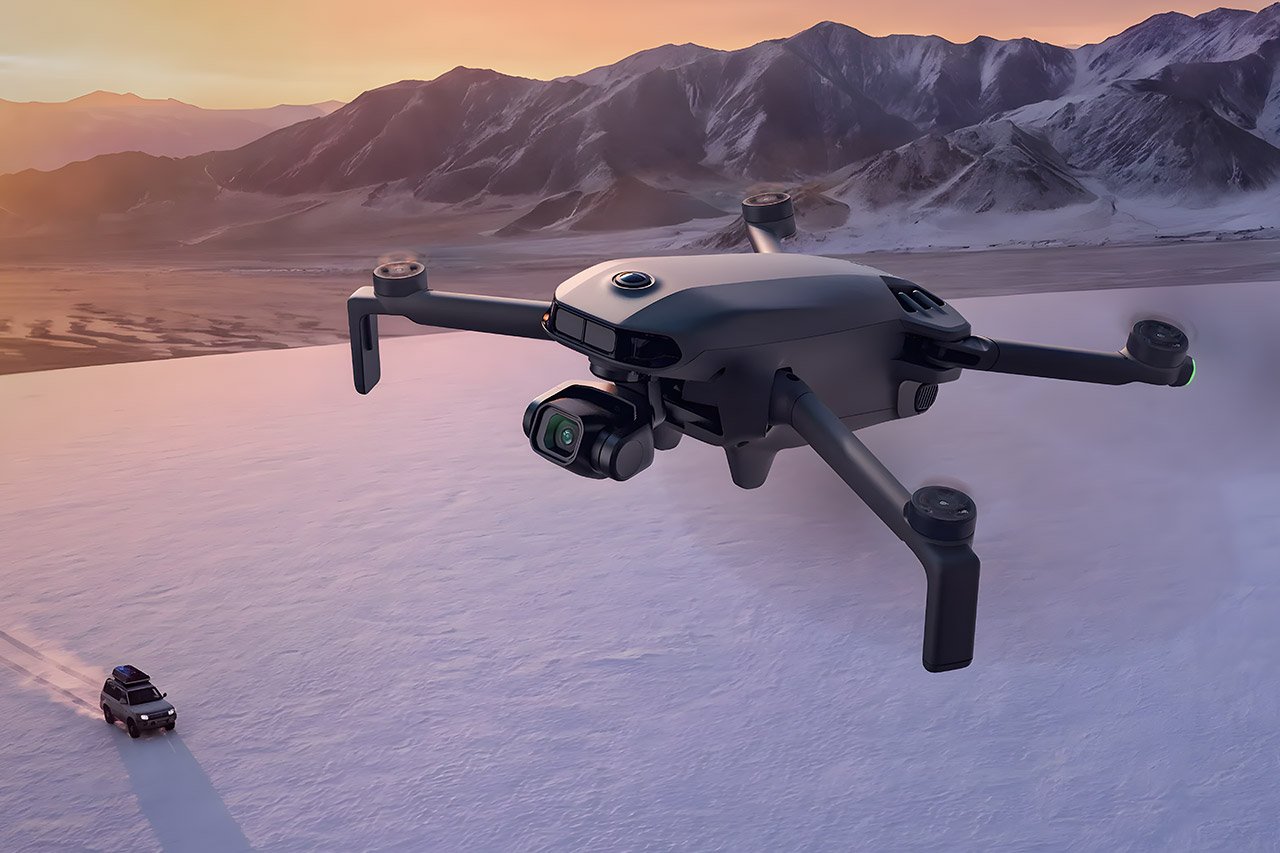
Skyrover V1 arrives as the company’s new flagship outdoor camera drone, listed from $759 for the standard package and higher for a bundle that adds a controller with a built-in 5.5-inch Full HD screen rated at 700 nits. That price sits near the level of some established rivals, yet the machine keeps its weight under 249 grams so it stays easy to carry and, in many places, simple to fly without extra FCC paperwork.
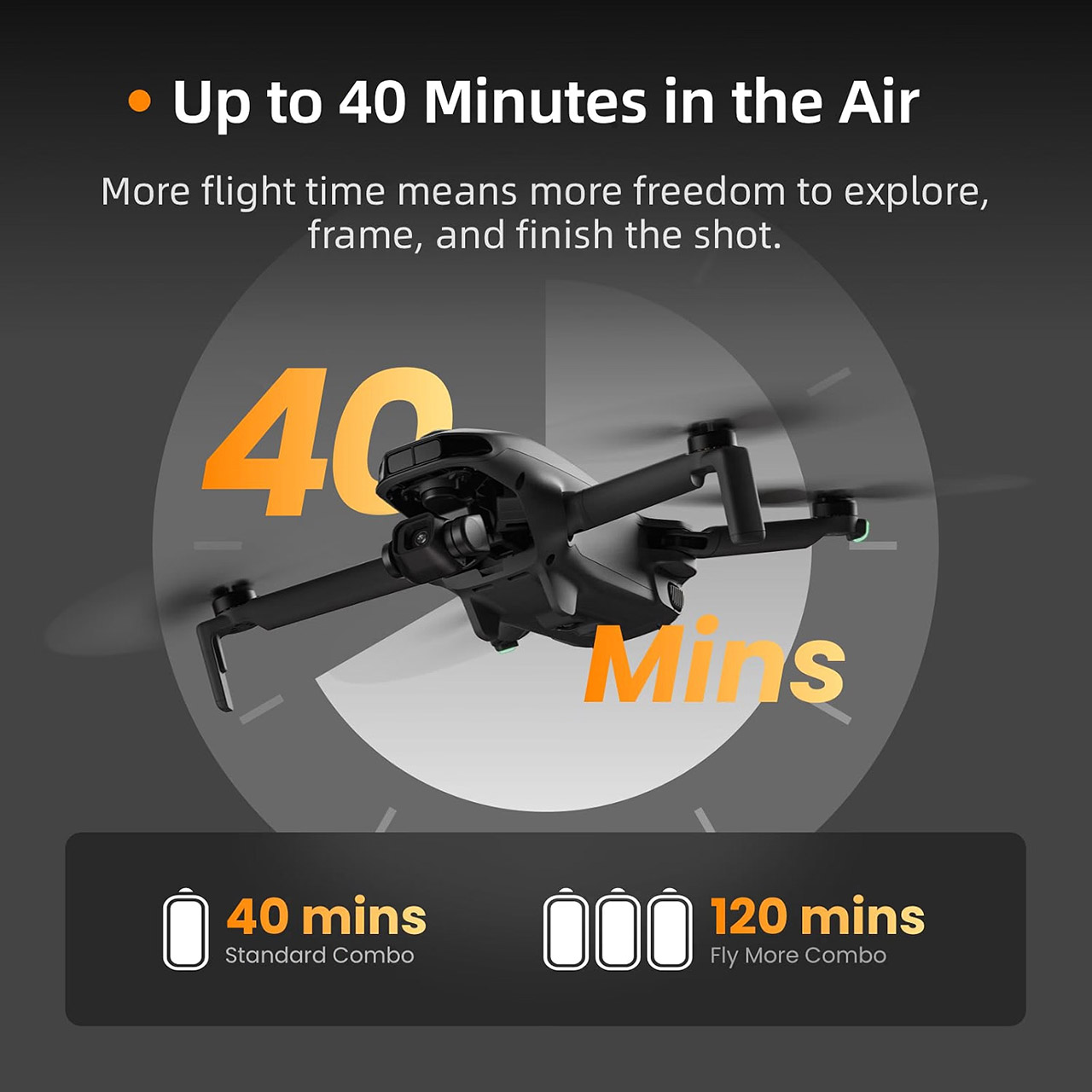
Endurance in steady state reaches 40 minutes, a significant improvement over the 32 minutes of the mid-range X1 drone. Real-world flights in a park lasted approximately 25 minutes on our first battery, with some power still in the tank, and our later packs stayed aloft well past the low battery alert until the drone nearly crashed on itself. The return home mechanism is also fairly accurate, bringing the aircraft within a few inches (half an inch at most) of the takeoff site. Under ideal conditions, the transmission range is 20 kilometers, which is greater than that of the X1 and S1, and with 40 gigabytes of internal storage, you can save film on the drone even if you forget to insert the memory card.
Sale

SKYROVER V1 Drone Combo with Camera 4K, Mini Drone for Adults | 4K/60fps Video, 8K Photo, 360° Obstacle…
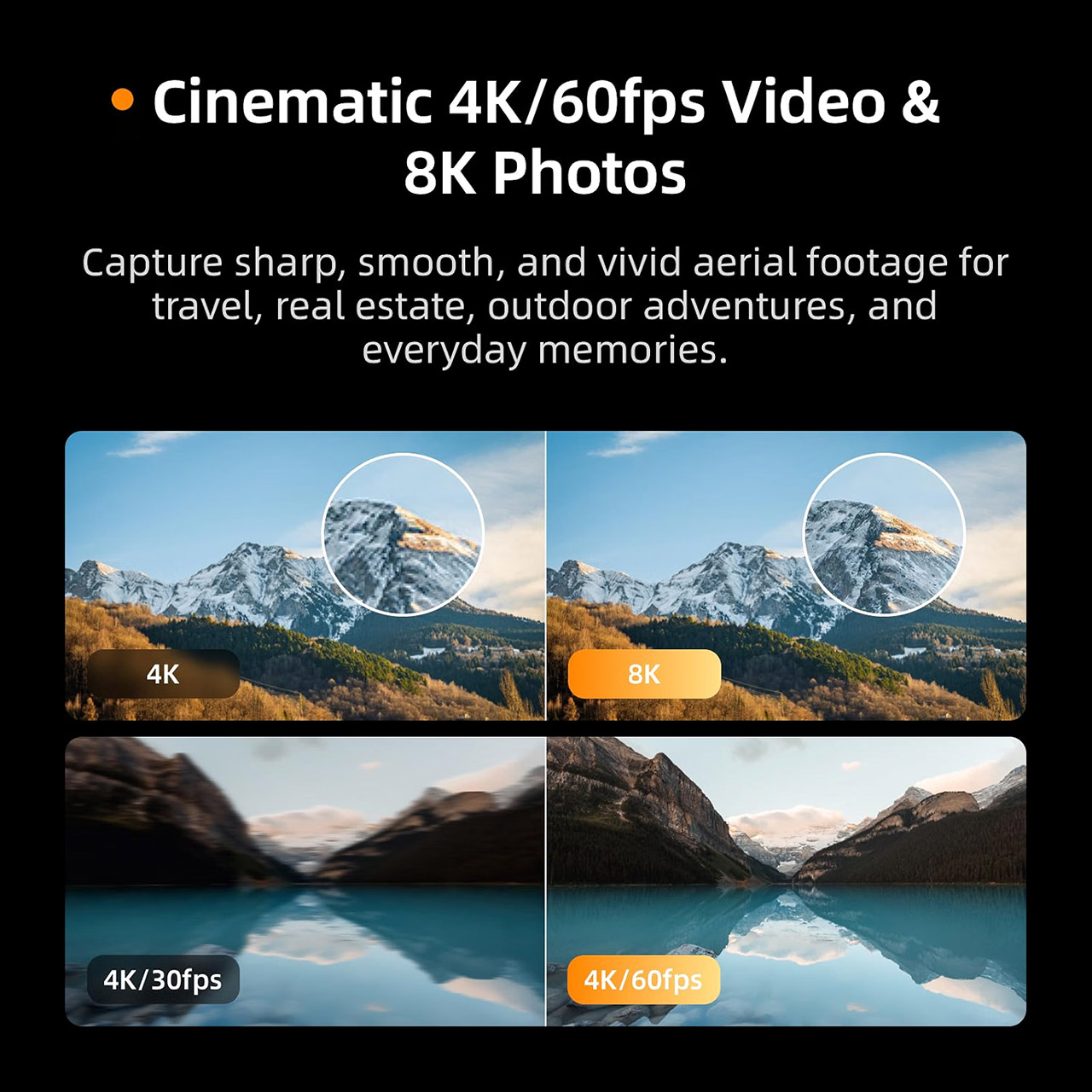
- Cinematic 4K/60fps Video & 8K Photos – Record vibrant, cinematic videos with rich colors and balanced highlights and shadows, even in challenging…
- Ultra-Light, Palm-Sized Foldable Design – Compact and foldable, this mini drone slips easily into a pocket and offers 40GB of internal storage for…
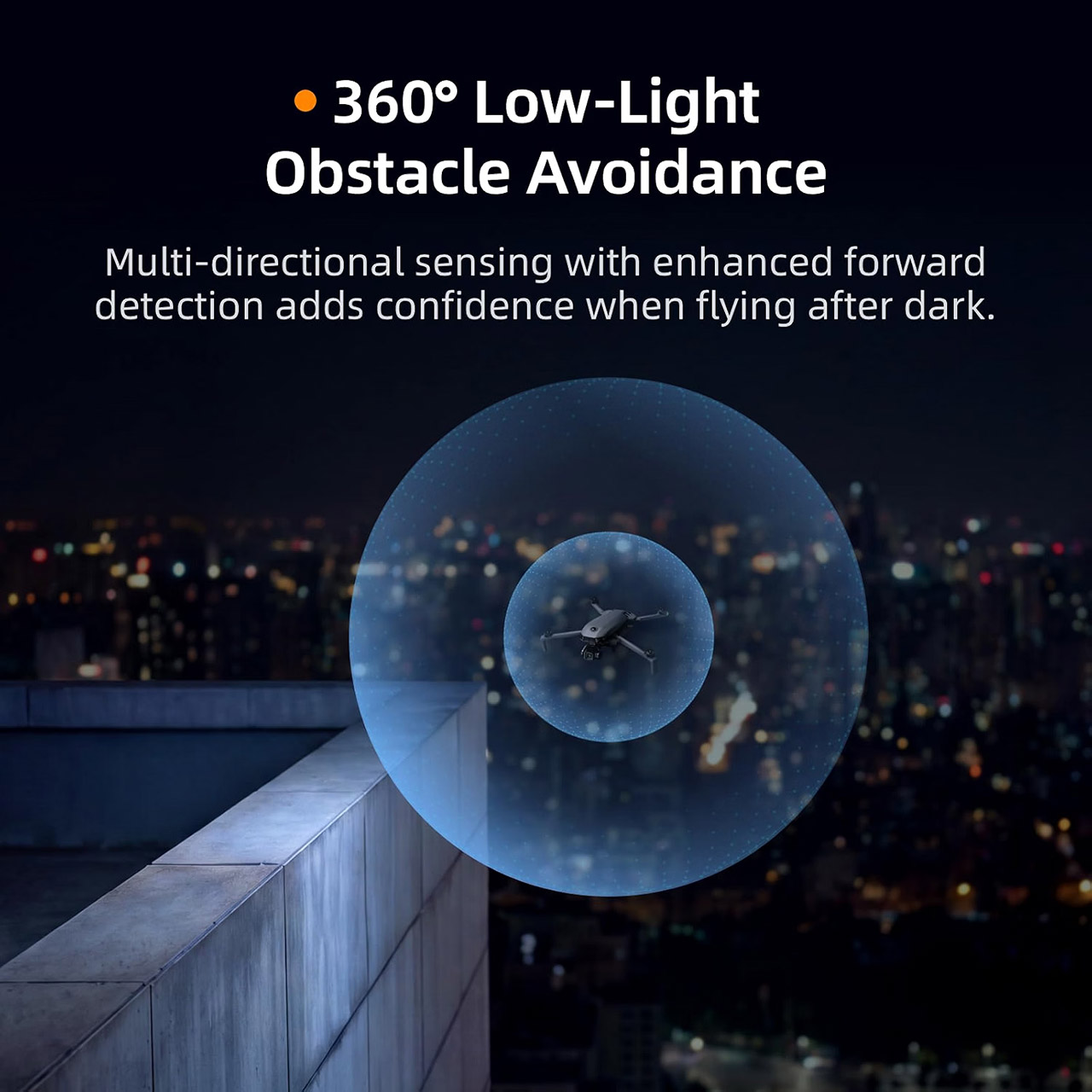
- 360° obstacle avoidance – Forward-facing LiDAR and vision sensors detect obstacles in all directions, enabling the drone to brake promptly and…
The drone has a 1/1.28-inch CMOS camera that captures 4K at 60 frames per second before adding 4K at 100 frames per second for smooth slow motion. You can even capture 8K stills. With SR-Log and 10-bit HLG, you’ll have plenty of color grading options, and the wide-area autofocus will assist keep moving subjects in focus. When shooting vertically, the field of view is cropped to actual 2.7K rather than a complete rotating gimbal.
Then there are QuickShots settings to experiment with, such as orbit and dronie, as well as SmartTrack, which can track subjects from behind or shift angles to catch them from a different perspective. Some testers even got the drone to fly through a tree and get the job done (well, it made contact with a low-hanging branch and kept going!), and when one tester tried flying it near a telephone pole, it actually steered clear of it. The Sport mode just stops the drone in its tracks, rather than attempting to avoid obstacles.
The obstacle detection system has a camera on top at a slight angle, a camera underneath looking back, and forward infrared for darker regions, so they claim it has 360-degree coverage, albeit it is a little stronger in low light where it can see straight ahead. However, pilots have pointed out that it has blind spots on the sides, which can be problematic when flying near plants or trees. The return to home system uses the same obstacle data to determine the safest way home. Speaking of wind resistance, it is stated as Level 5, and you can increase the altitude restriction if the drone refuses to fly in circles around the normal ceiling.
Compared to Skyrover’s S1 and X1, the V1 has a longer stated range, a larger camera sensor, more storage, better transmission, and lower light sensing, but it remains in the same weight class. In comparison to the DJI Mini 5 Pro, the camera is smaller, the vertical video is truncated, and the nite vision uses infrared instead of LiDAR. If you’ve had problems getting your hands on a DJI model because some are restricted due to the FCC rules, the V1 has actually been relatively easy to find in several countries.
Skyrover V1 Drone Extends Airtime and Strengthens Low Light Sensing for Outdoor Flights
#Skyrover #Drone #Extends #Airtime #Strengthens #Light #Sensing #Outdoor #Flights