Apple HomeView Hands-On Reveals an Adorable Display That Settles Into Daily Life
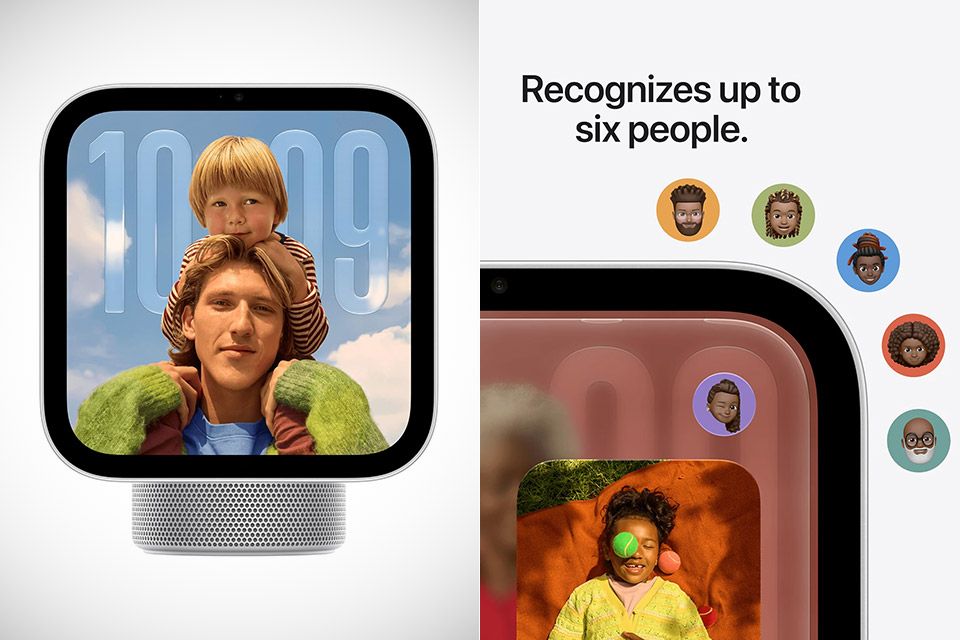
Many people looked at Apple’s new HomeView and saw another smart display destined for the kitchen counter. Early hands-on time suggests the device aims for a quieter role, one that sits still most of the day and only steps forward when someone walks up.
A 7-inch squarish screen rests above a nicely contoured metal speaker base, all held together by a slender, polished arm with exactly the proper amount of resistance to tilt smoothly when desired. From one aspect, it’s easy to see why the design resembles the old iMac G4, but the overall size is modest enough that it doesn’t take up much counter or nightstand space. You can now get it in Starlight, Rose Pink, Silver, or Space Gray. Fun fact: the body is constructed of recyclable aluminum and feels quite solid in your hand.

Apple HomeView – Space Gray | Siri AI, Liquid Retina display, Spatial Audio, FaceTime, smart home…
- DESIGNED FOR LIFE AT HOME—Apple HomeView keeps the whole home connected, entertained, and in the know. All in one place.
- UP TO SIX USERS—Apple HomeView can recognize the faces and voices of up to six people and seamlessly switch between them, delivering a personalized…
- SIRI AI—Siri AI, powered by Apple Intelligence, comes built into Apple HomeView to help you find what you need and get more done while protecting…
The Liquid Retina screen shines brightly at 500 nits before dimming dramatically for use in bed at nite, and the True Tone color correction ensures that the device appears its best in all lighting. The bezels are slightly broader than those found on modern phones, but the finish and hinge quality maintain a high-end feel. There’s a great long braided wire to charge the device, but no battery within.
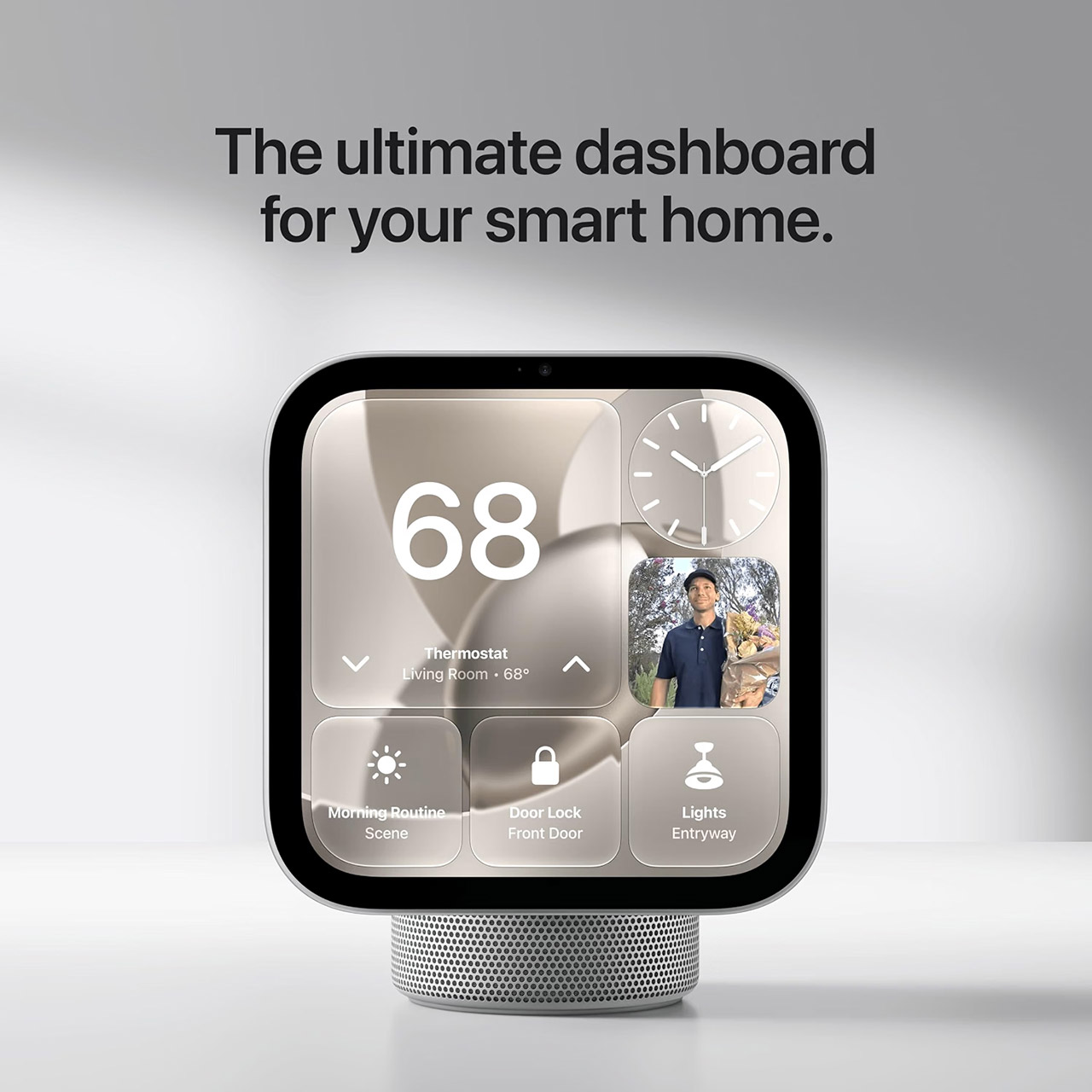
The software is all about providing several “faces” based on the design of the Apple Watch. Long-pressing on the screen allows you to switch between different styles, colors, and widgets. There are a variety of possibilities, ranging from ultra clean analog clocks and weather summaries to a really unique modular arrangement that allows you to select four different small tiles. There’s even a face that changes patterns as people walk past it, a photo face that searches shared albums and transforms into a snazzy little photo frame, and another face that displays up to nine camera feeds at once. Then there’s a small home face that lets you control your lights, temperature, locks, and scenarios directly from the Apple Home app. Swiping and tapping seem to register quite rapidly on the A18 chip, with no discernible lag in the demos we’ve seen.
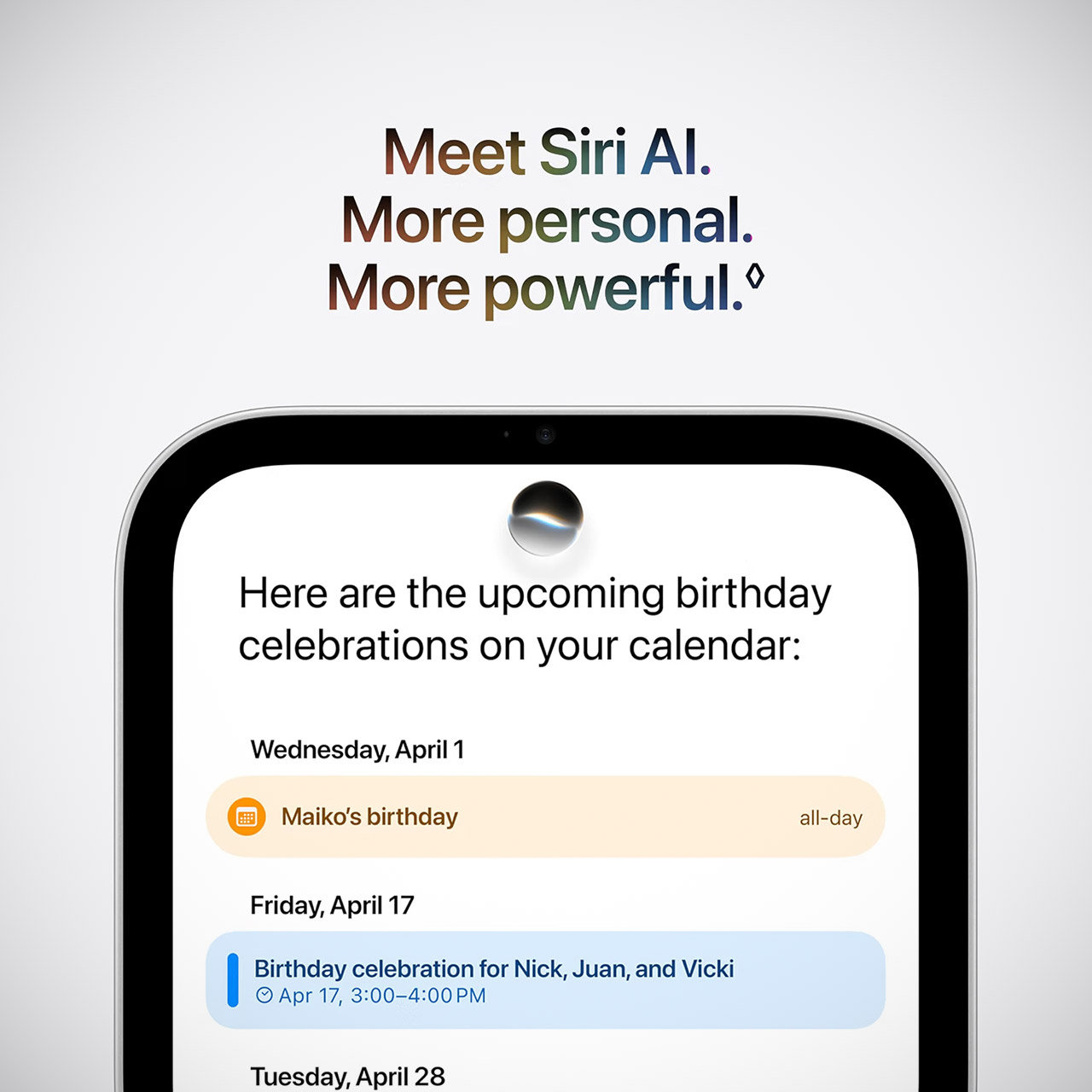
The device can identify up to six people in a home. Simply walk up to the screen, and the camera will identify you, displaying your calendar, messages, and selected widgets while hiding any sensitive information from everyone else. If you say their name, it’s a double check. If you want the really deep personal stuff, you’ll need to keep an unlocked iPhone or iPad running the latest Apple Intelligence version nearby. Ask it something like “what was my schedule last year” or “what recipe did we discuss in group chat,” and the AI will look it up for you. However, rather than merely speaking, all of the responses take the shape of small visual cards. Every now and again, you might receive a delay or a generic error message, especially if you ask it to perform a series of steps in a succession, but the combination of having a screen and being able to see who’s in the room makes it a significant improvement over the previous HomePod.

When put to the test, kitchen use truly shines through. That’s when you can open a recipe in Safari on your Mac or send one from your iPhone, and it instantly transforms into an ingredients list replete with checkboxes and individual instructions to follow. Timers start straight from the recipe and appear as live activities, which is a lovely touch. The square style works nicely for keeping text legible without dominating the kitchen counter. Music and podcasts are loud and clear enough to fill a room, falling midway between the sound of a HomePod small and a full-sized HomePod. Calls and FaceTime function well because to the 12-megapixel Center Stage camera, which keeps people in view. The main thing to remember is that volume changes can be made on-screen or by calling Siri.
At $299, the HomeView provides a lot of hardware for your money, undercutting most iPads while remaining a clear step beyond the finest basic devices from Amazon and Google. With the App Store missing from the menu, third-party services are limited to Safari and a few CarPlay-style audio and video apps. If you have Android phones throughout the house, you lose even more functions, and of course, getting the wall mount version will cost you more money, which may influence your decision either way.
Apple HomeView Hands-On Reveals an Adorable Display That Settles Into Daily Life
#Apple #HomeView #HandsOn #Reveals #Adorable #Display #Settles #Daily #Life