Michael Carrick is facing a familiar Man United problem – but Chelsea clash could offer a way out

Want to bookmark your favourite articles and stories to read or reference later? Start your Independent Membership today.
Already a member?
Log in
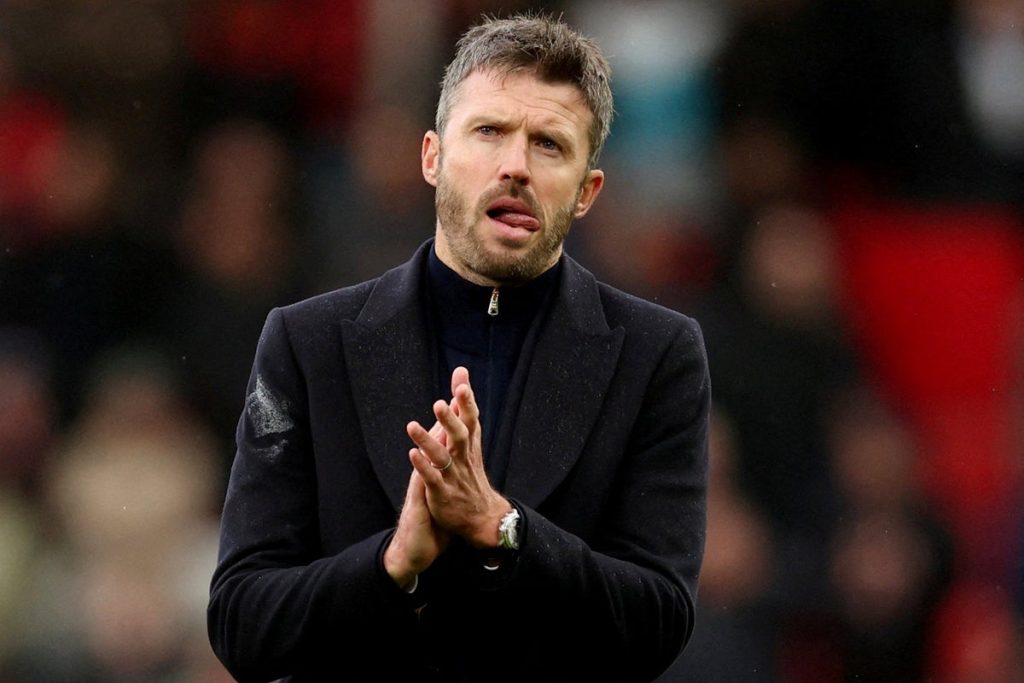
As Michael Carrick and Xabi Alonso both try to come up with gameplans for Saturday’s hugely significant first – and potentially last – meeting as coaches, both have felt an inclination to look back at when they met across the centre circle rather than the dug-outs.
They used to try and out-think each other on the pitch, after all. Alonso was always struck by one quality.
The former Liverpool midfielder found that Carrick just had an apparently innate ability to see where play was going. “Somebody who knows how to be in the right place at the right time,” as Alonso put it back in 2010.
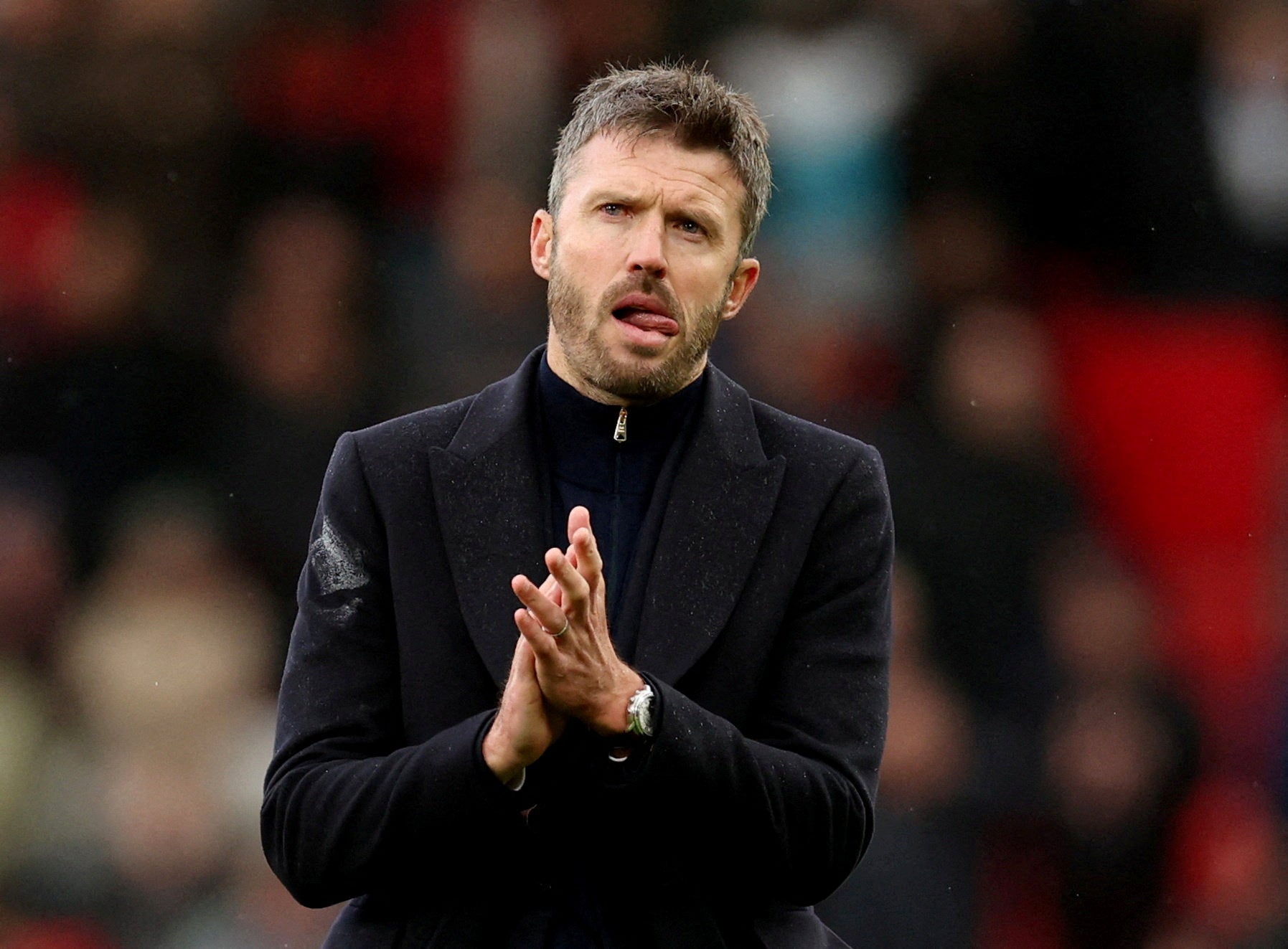
Those words seem all the more jarring now since Carrick finds himself going to Chelsea amid a widespread belief that Manchester United have made the wrong decision in keeping him in the role. Wrong place, wrong time.
Directing the play on the pitch has so far come a lot easier to both former midfielders than directing play off it.
And yet that entire era when they were at their peaks, from around 2006 right through to 2013 and Alonso’s own moves to Real Madrid and Bayern Munich, offers a further poignancy for both clubs precisely because of the many pictures of celebration.
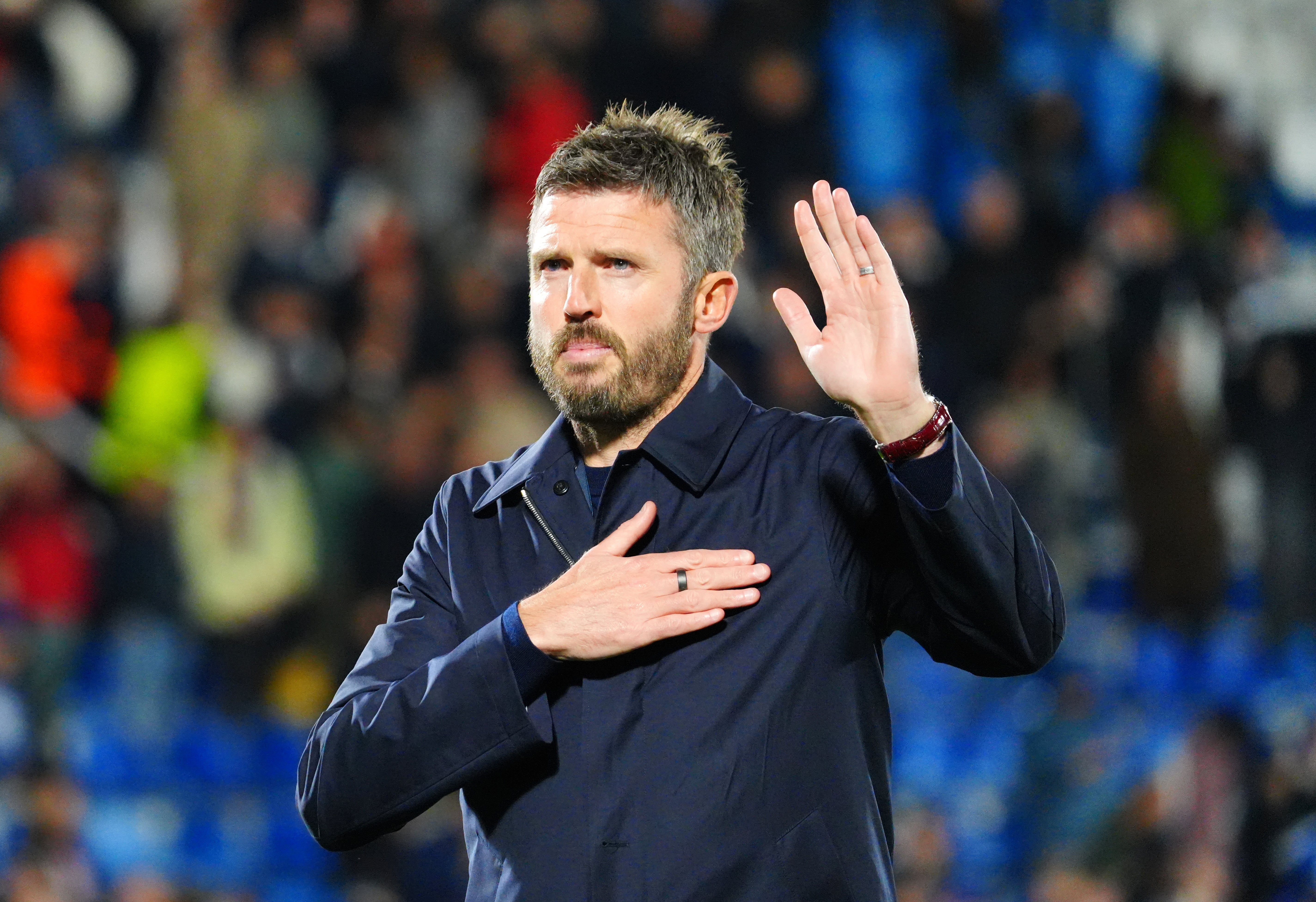
It could be felt this week as Carrick was serenaded by the Old Trafford crowd because of his contributions to the club’s history, while everyone else was booed.
There’s even the more challenging concept of how the successes of those days played into the travails of now.
For Chelsea, Roman Abramovich’s proximity to Vladimir Putin ensured his removal was ultimately inevitable. Trophies came at a considerable cost, with many of them a consequence of cheating comparable to Manchester City that should have seen them stripped of titles.
Alonso has inherited a club still figuring out a modern identity.
For United, it’s the way Sir Alex Ferguson’s singular ability to adapt to the Glazer ownership left the wider club ill-equipped to deal with what next.
They’re figuring out much more than an identity. Despite fair criticism of Carrick as a coach, he has been left in a more challenging situation than any of his modern predecessors.
And that’s inevitably left him facing a familiar crisis that submerged all of them, too.
David Moyes had it almost immediately. Louis van Gaal had it in the winter of 2015. Jose Mourinho endured it from early 2018, Ole Gunnar Solskjaer in mid-2021. Erik ten Hag had it from the start of the 2023-24 season and Carrick from the start of this one.
None ever fully recovered.
That is when a manager looks to have just “lost” a team, when the hold over them is “gone”.
And that’s when its centre can’t hold, and we see collapses like those against Como and Bournemouth.
As numerous sources suggest, the connection that was there last season has gone. It’s as if he just can’t get a reaction out of the squad any more – just like many of his predecessors eventually found.
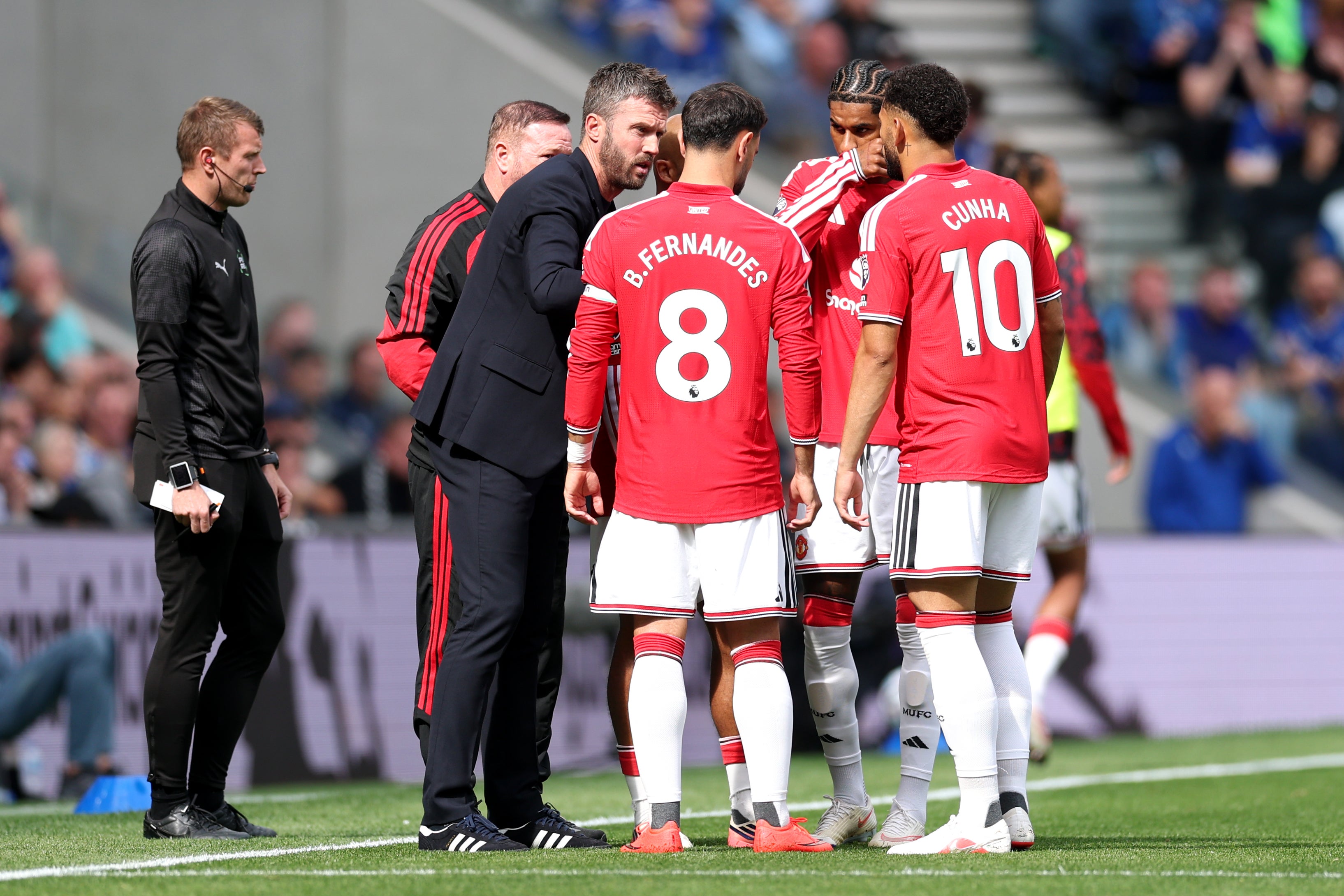
Another insider does caution that it might instead just be that this group is simply “drained and low” and unable to cope with such challenges, or perhaps even “a combination of all of this”.
What is maybe the most alarming aspect of United’s surprising decision is that the leadership don’t seem to have recognised – or at least acted on – the obvious signs. This can still get worse.
It isn’t even as if Carrick is a “toxic” presence, as became the case in Mourinho’s time. Far from it. In fact, Carrick is the opposite.
The specific problem, however, is how difficult this is to turn around.
They arguably know even more about how terminal it can be at Stamford Bridge. The Abramovich era was notorious for managers losing the dressing room, but it has continued under the Clearlake ownership.
The entire dynamic is actually one of the most common in football but, oddly, not one that is widely discussed; at least as far as the actual chemistry of it and how it works.
You don’t really read about why in autobiographies or more introspective interviews long after the fact.
The reason for that is obvious, on one side. Managers at this level necessarily have egos, and rarely accept their specific approach was a factor of some downfall. They will instead point to multiple other reasons.
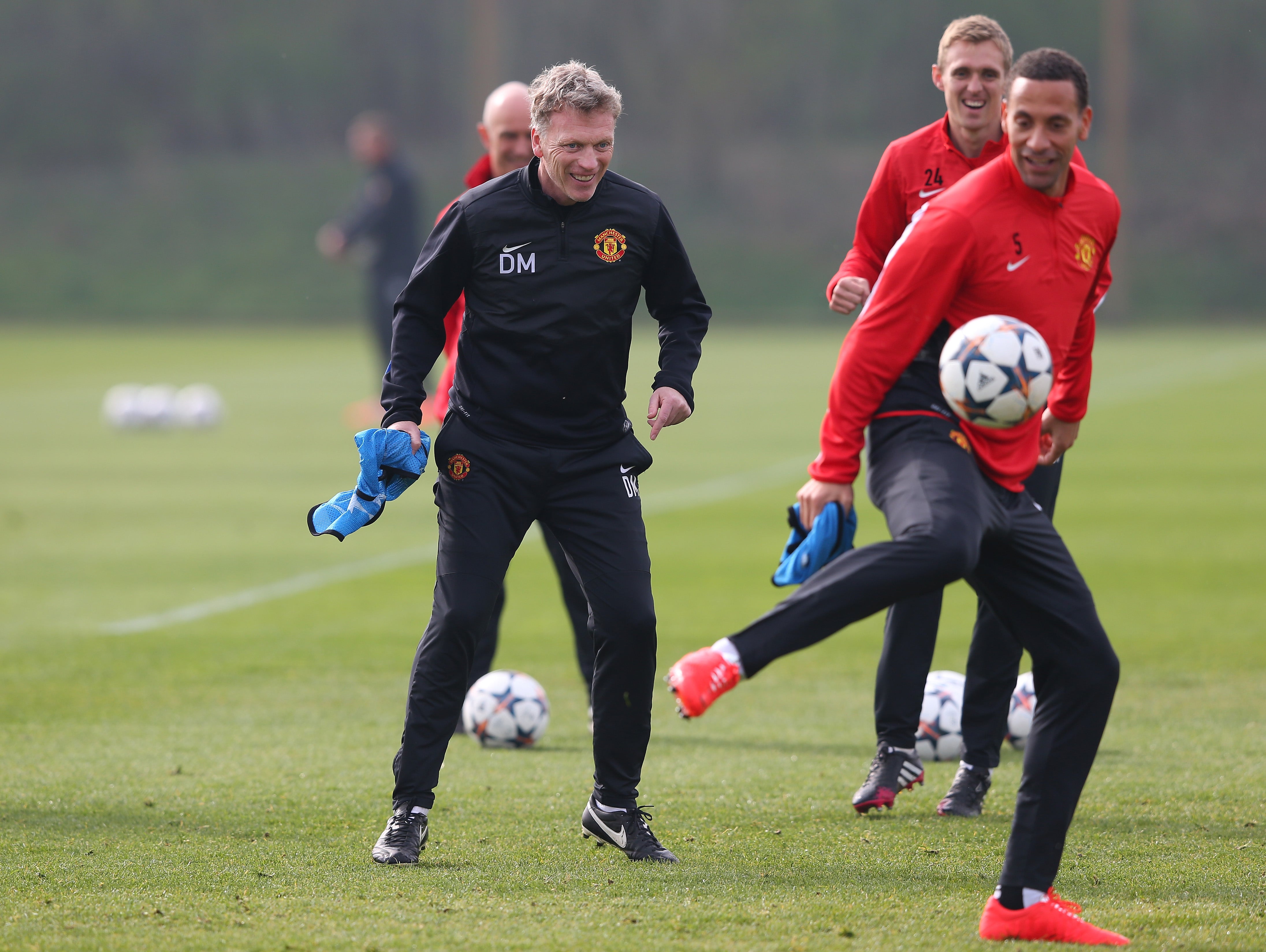
On the other side, players will mention what happened, but not why. Steven Gerrard’s second autobiography mentions how “something deeper had gone amiss” with Rafa Benitez in 2009-10. Rio Ferdinand talks of how Moyes “slowly lost us”.
“It wasn’t even that Moyes made one big mistake; it was an accumulation of mistakes.” Ferdinand does nevertheless add “I found it all fascinating”.
And that is undeniably true. It cuts to all kinds of wider societal dynamics from leadership to group chemistry and social bonds, but is inevitably only ever seen as some kind of intangible in football.
Everyone recognises it, as they just starkly say “it’s gone”. Few articulate why.
As regards what all of this means for Carrick on Saturday, the key is that there’s no real blueprint. There’s no best practice that he can refer to.
Ferguson, whose qualities Ferdinand realised were “taken for granted”, obviously never let it get close to this. This was one of his great virtues. Changes were made the instant he sensed his control was being tested.
That option isn’t available to Carrick. He’s already tried the most drastic change, in removing Bruno Fernandes. Now he may have to go for the Mourinho move of immediately putting the playmaker back in.
Such whiplash feels contradictory to Carrick’s whole persona, which is also where he might at least have a point of a difference.
While the measured personality that Alonso so respected was suddenly criticised once Carrick became permanent manager, with greater responsibility, it could now swing back the other way.
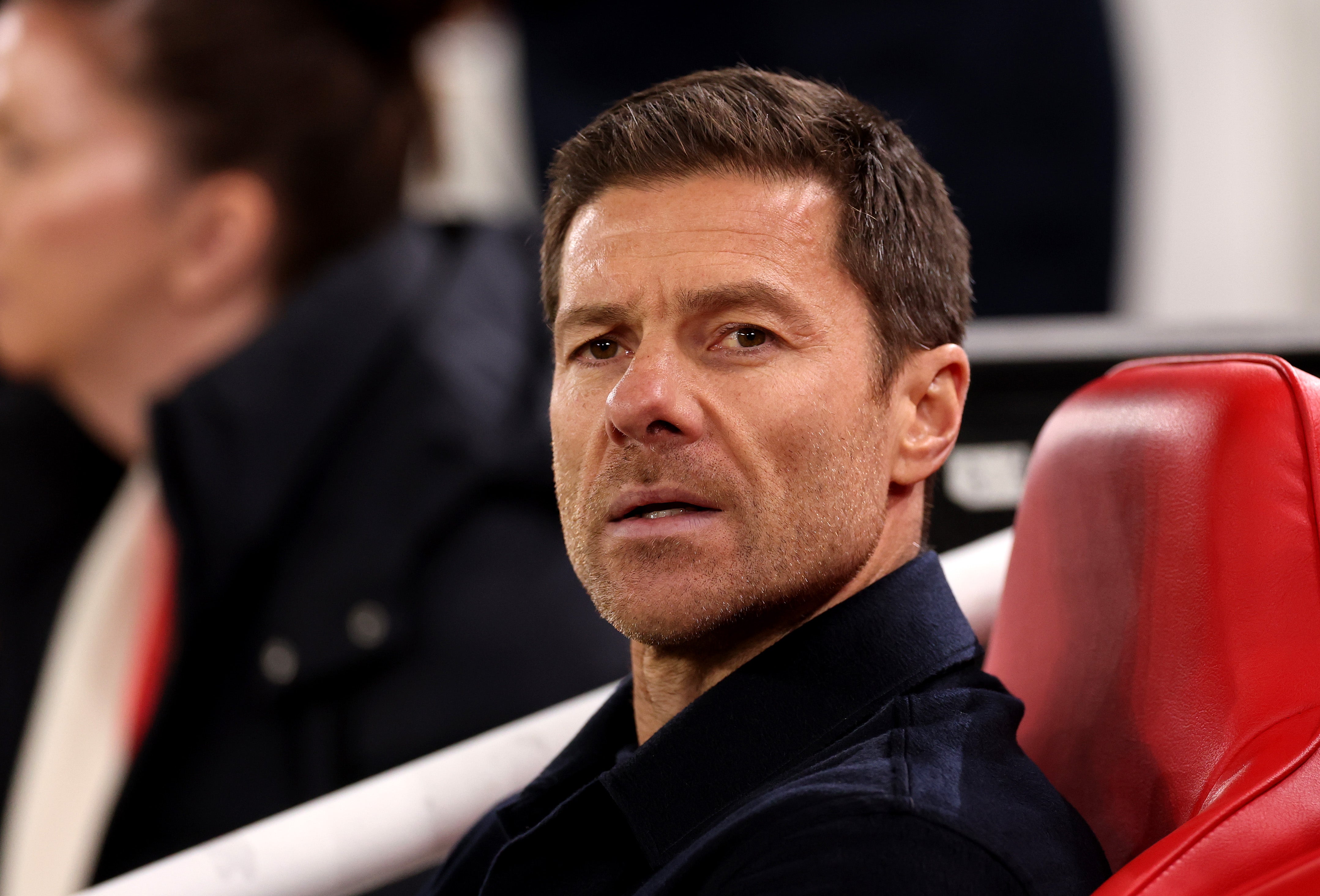
If the club is now subject to wilder extremes of emotion, Carrick’s stability may suddenly prove valuable again. Maybe that’s a way through this. If he holds steady, he can rein it back in.
Ironically, the very nature of Saturday’s fixture may help.
As daunting as it might be to travel to another big club while you’re in a dismal run, that can sometimes be exactly what is required.
A certain pressure is lifted because you’re not expected to win in the same way, and the scale of the challenge can sharpen minds and tasks. There’s suddenly a rare clarity.
It also helps that Alonso is facing growing questions of his own.
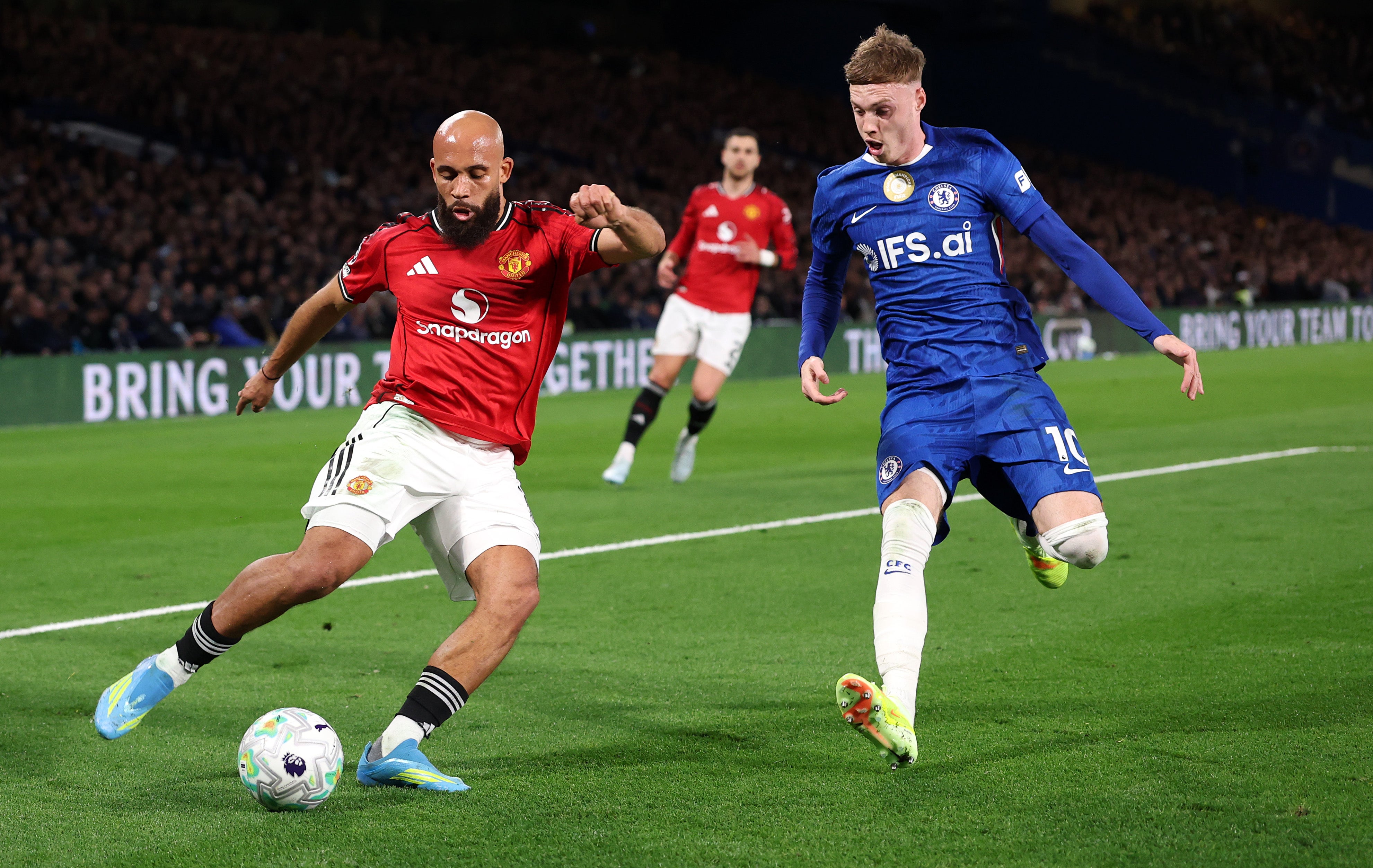
If Chelsea lose this, a second big game at home, then a tough run could become a crisis.
In different times, it could even be something he and Carrick share thoughts about.
Another commonality between the two, as they now endure some classic managerial problems.