First Look at MIT’s ShiftLens, 3D-Printed Objects Capable of Flashing a Warning When You Use Them Wrong
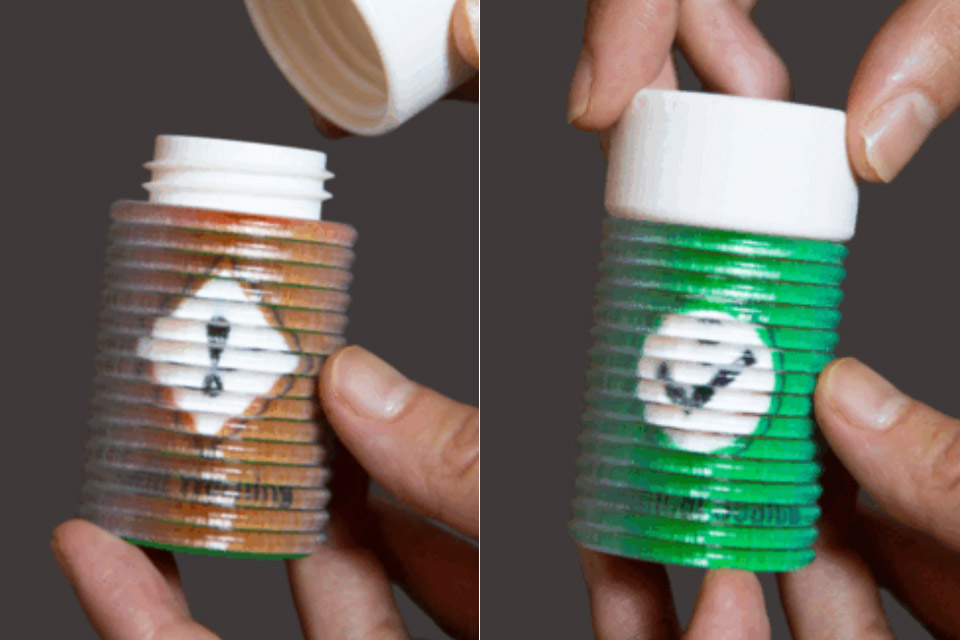
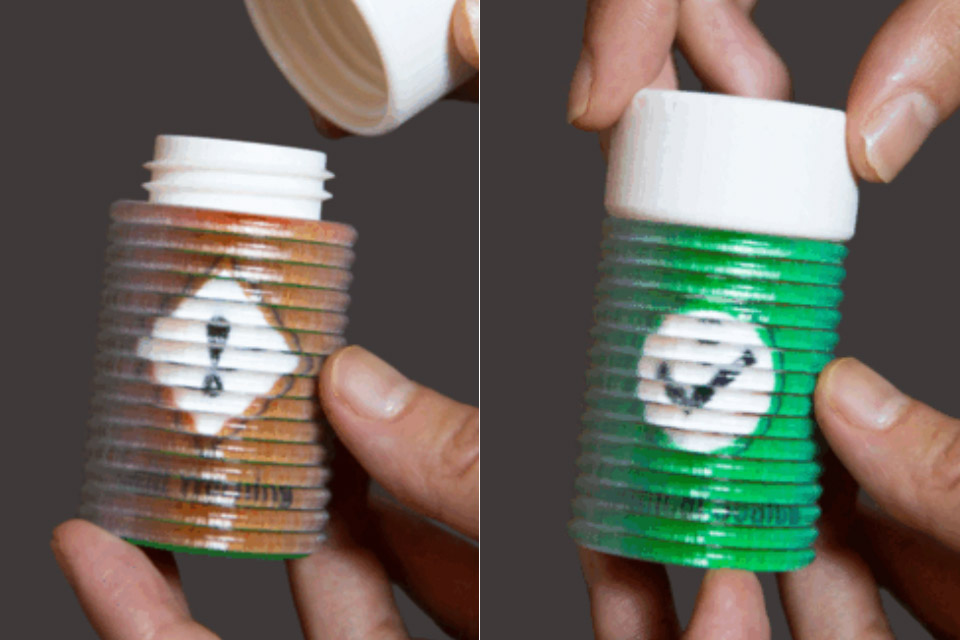
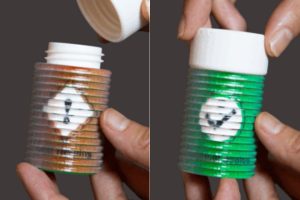
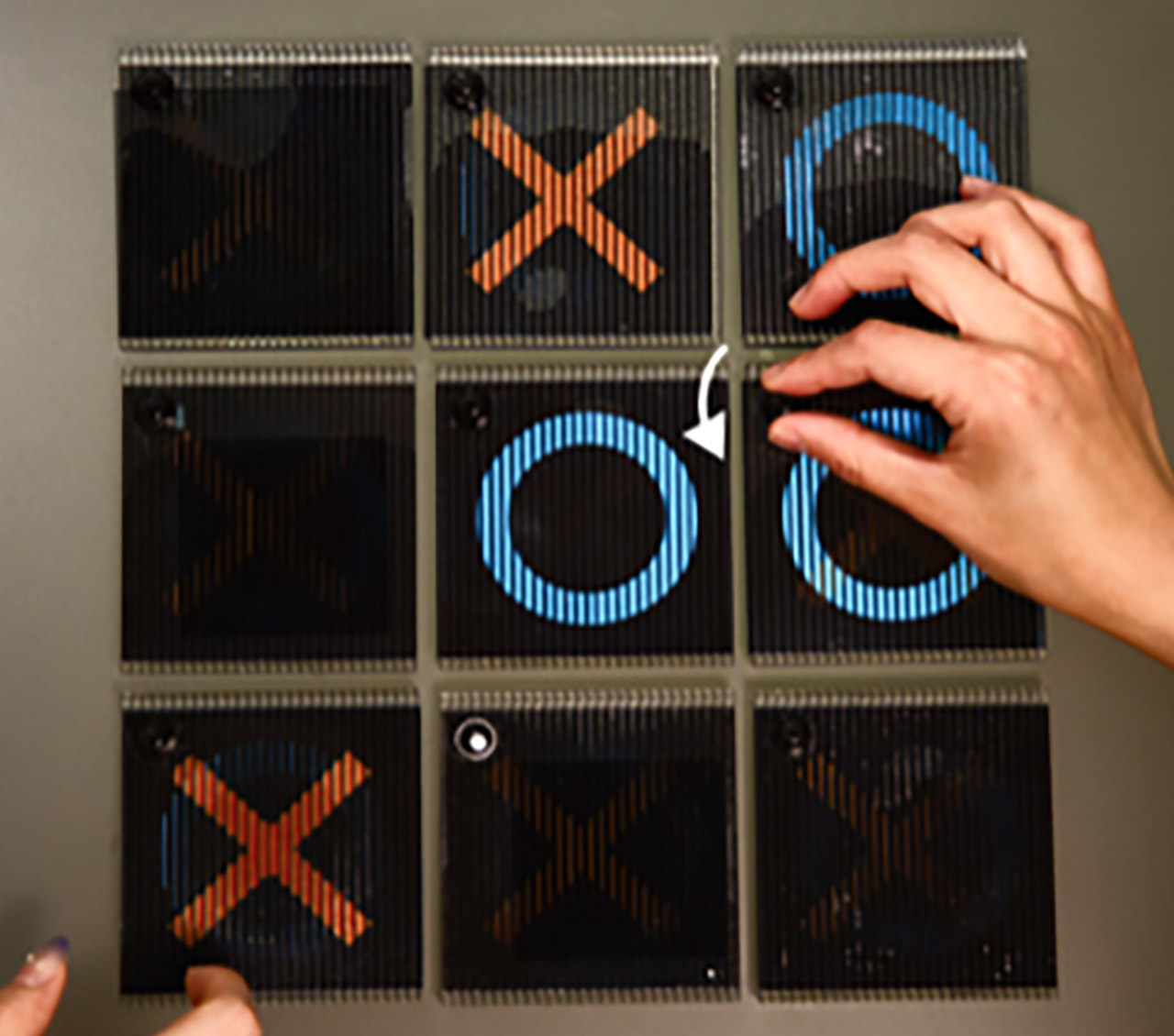
Researchers at MIT built ShiftLens so a printed chemical bottle can turn red and show an exclamation mark while its cap sits loose, then switch to green with a checkmark the moment you screw it down tight. The same printed surface can flip a door plaque between “Please Come In” and “Meeting in Progress,” run a flame animation across a lampshade, or let each square on a tic-tac-toe board display an X, an O, or nothing at all.
ShiftLens spreads a sheet of tiny cylindrical lenses over a hidden pattern of color stripes printed directly into the item. Each lens focuses on only one set of stripes at a time, and when you shift the top bit slightly relative to the ones below, a new set appears, allowing the entire device to change appearance without the use of batteries, screens, or sensors.

Bambu Lab A1 mini 3D Printer + LED Lamp Kit, Ready-to-Use for Beginners
- A1 mini + LED Lamp Kit for Creative Light Projects: Bring your ideas to life with the included LED Lamp Kit. Simply print compatible lamp models and…
- The Perfect 3D Printer for Beginners: A1 mini 3D Printer is designed to make 3D printing easy from day one with automatic calibration, simple setup…
- Experience the Bambu Lab Ecosystem: Access MakerWorld’s huge library of ready-to-print models, manage prints through the Bambu Handy app, and enjoy…
Yunyi Zhu leads the project, which also includes Dingning Cao, Jeremy Mrzyglocki, Stefanie Mueller, and Narjes Pourjafarian. They are able to 3D-print all of the components, including the lenses, striped layer, and moving parts, in one go on a Stratasys machine utilizing clear resin, color resin, and water soluble supports. To accomplish this, they created a proprietary program that runs within Rhino and Grasshopper and takes the photos you want, as well as the curves and shape of your object, and then generates the right lens geometry, stripe pattern, and simple gears or racks that keep everything in line when it moves.
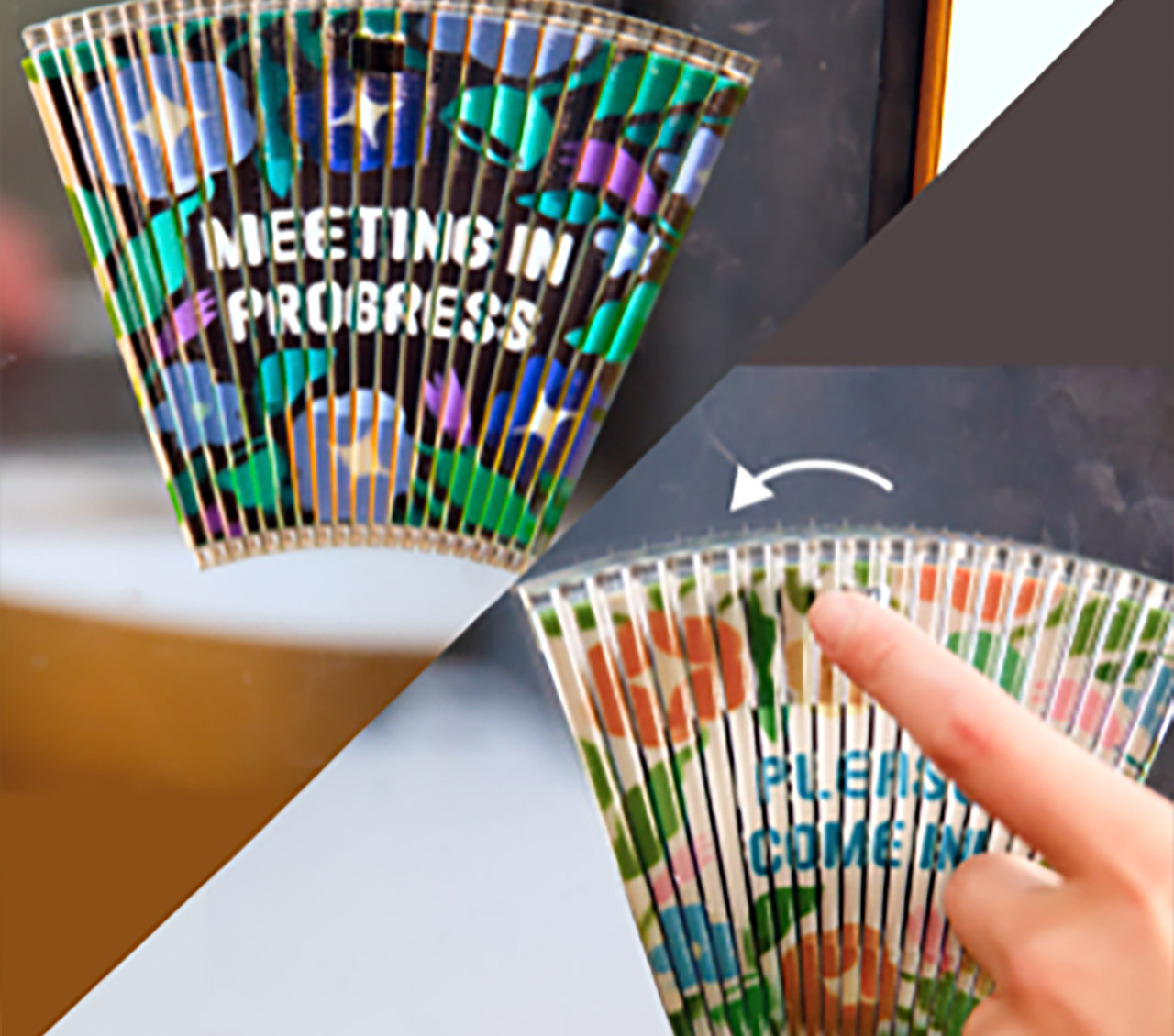
You can make it work by using the motion that is already built into the device. Want to tighten a screw cap, rotate a lipstick barrel, or click a pen? All of these movements will affect what you see. If an object lacks motion, the team simply inserts a little switch, roller, or knob, as well as some racks, pinions, and detents, so that when you click or spin it, it takes on a fresh appearance each time.
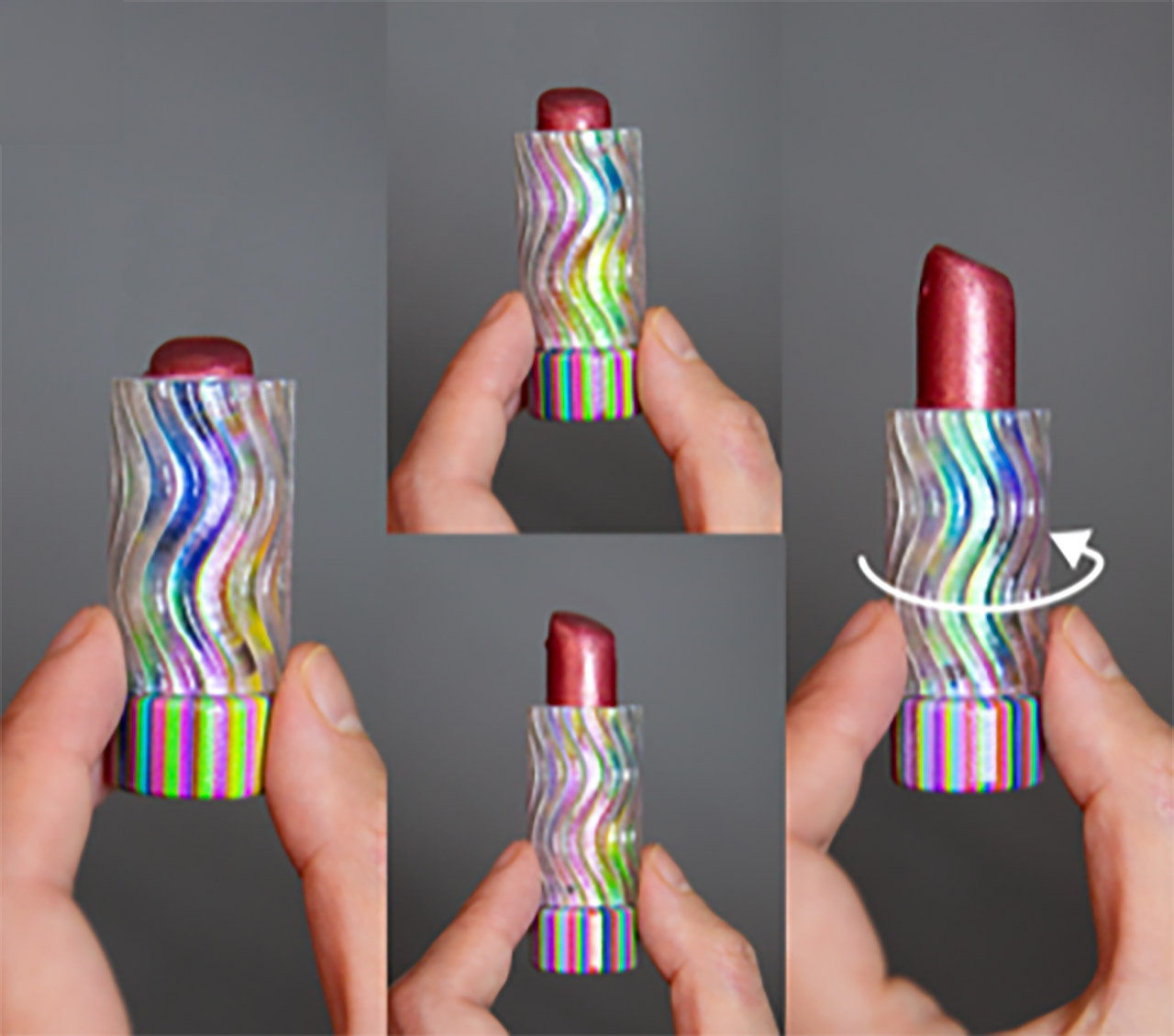
Print examples highlighted in the paper include a pen with varied patterns that appear when the tip moves out or back in, as well as a lipstick tube that changes colors as you spin it. Because it’s all mechanical, you may use the gadget in difficult environments such as near water or chemicals without fear of it breaking.
Of course, there are certain limits, as the surface must be able to move without components bumping into each other, therefore not all shapes can accommodate the mechanics. Print resolution limits the number of various looks that can be placed on a given area, and viewing angles on curved objects might affect image clarity. Budding researchers Zhu has stated that a leaky sink in her flat would be much easier to mend if the pipe itself could change color at the damaged junction, similar to shipping goods that begin to shift in transportation or weather-beaten signage that may still swap text.
[Source]
First Look at MIT’s ShiftLens, 3D-Printed Objects Capable of Flashing a Warning When You Use Them Wrong
#MITs #ShiftLens #3DPrinted #Objects #Capable #Flashing #Warning #Wrong