Iranian women footballers granted Australian citizenship after seeking asylum
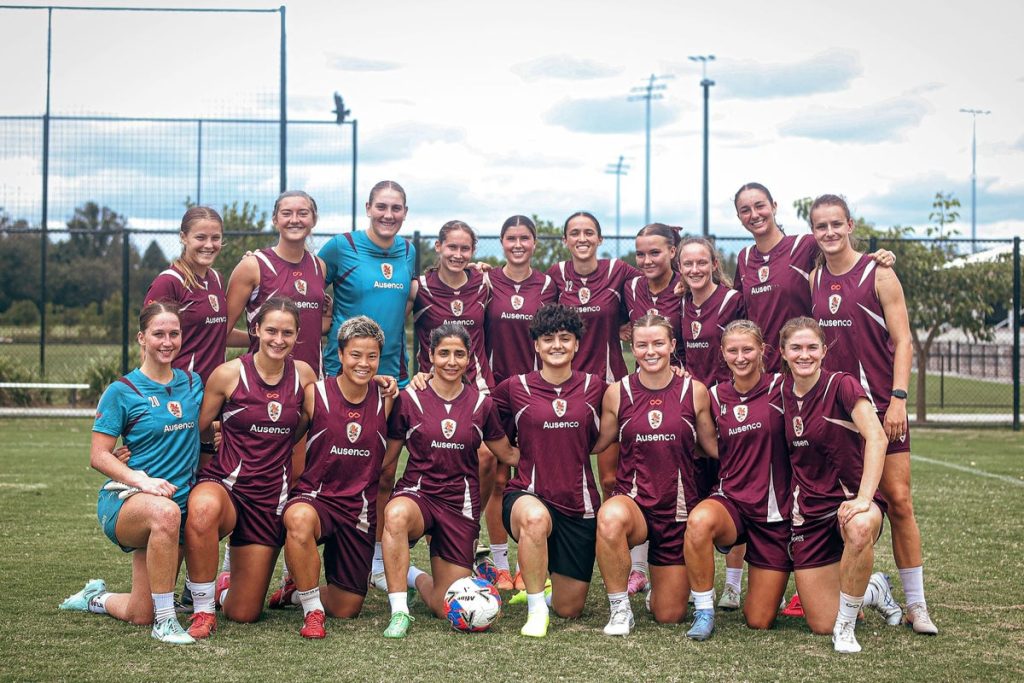
Two Iranian women’s football players who sought asylum in Australia earlier this year have now been granted Australian citizenship, marking a significant milestone in their new lives.
Fatemeh Pasandideh and Atefeh Ramezanisadeh confirmed their naturalisation in a statement on Thursday, revealing that Immigration Minister Tony Burke officiated their citizenship ceremony in Brisbane the previous day. The event was attended by friends and supporters from the local Iranian community.
“Yesterday was a truly special and unforgettable day for me. I feel proud and deeply grateful to become an Australian citizen. Australia has given me the opportunity to build my life and my future, and I feel, more than ever, that I belong here,” Ms Ramezanisadeh stated, adding that her Iranian roots and memories would always remain a part of her identity.
Ms Pasandideh echoed these sentiments, describing Wednesday as “one of the happiest days of my life.” She added: “I’m incredibly proud and grateful to officially become an Australian citizen. After everything we’ve been through and all the challenges we faced, this moment means more than words can express.”
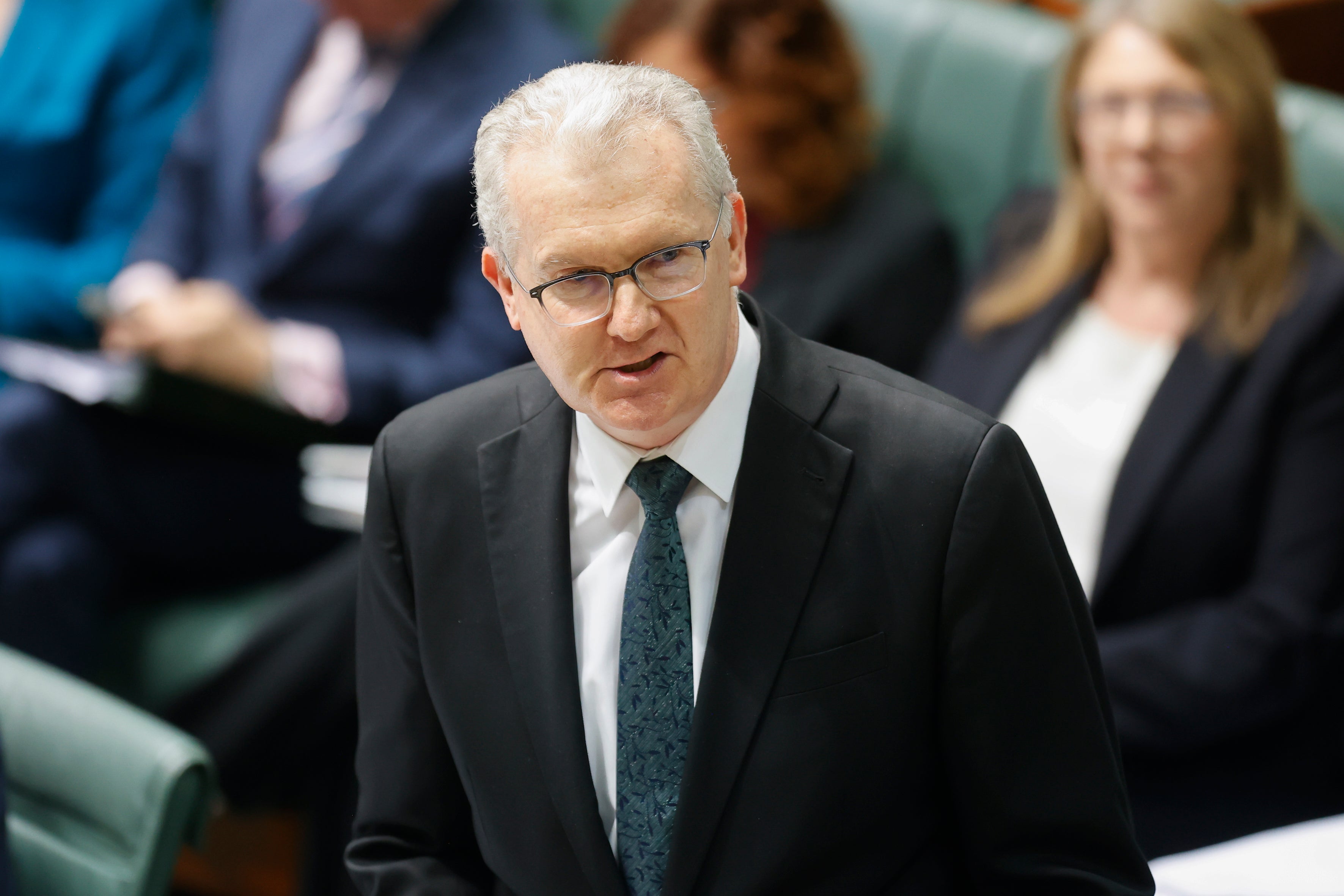
The swiftness of their citizenship process has drawn attention. When questioned by The Associated Press about the expedited timeline, Mr Burke’s department declined to comment on individual cases, citing privacy concerns.
The Refugee Council of Australia, an organisation representing asylum-seekers, typically notes that refugees must reside in Australia on a valid visa for four years before they can apply for citizenship.
One potential reason for the accelerated process, under Australian law, could be to enable the players to represent Australia in football. The pair joined Brisbane Roar, a team in Australia’s elite A-League Women’s domestic competition, after being granted asylum when Iran withdrew from the Women’s Asia Cup, which Australia hosted.
They were among seven Iranian women initially offered asylum, though five subsequently returned to their team within days for undisclosed reasons.
The team had arrived in Australia before the United States and Israel attacked Iran in February, adding a layer of geopolitical tension to their situation.
Concerns for the team’s safety back home were heightened after players opted not to sing the Iranian national anthem before their first match of the tournament.
This was further exacerbated by Iranian sports commentator Mohammad Reza Shahbazi, who reportedly labelled the women “wartime traitors” in a television broadcast, a comment widely cited by protesters advocating for the team’s asylum.
US president Donald Trump used social media to advocate for the team’s asylum and telephoned Australian Prime Minister Anthony Albanese regarding the matter.