Minecraft Finds Its Way Onto the PlayStation 2 Thanks to Homebrew Persistence
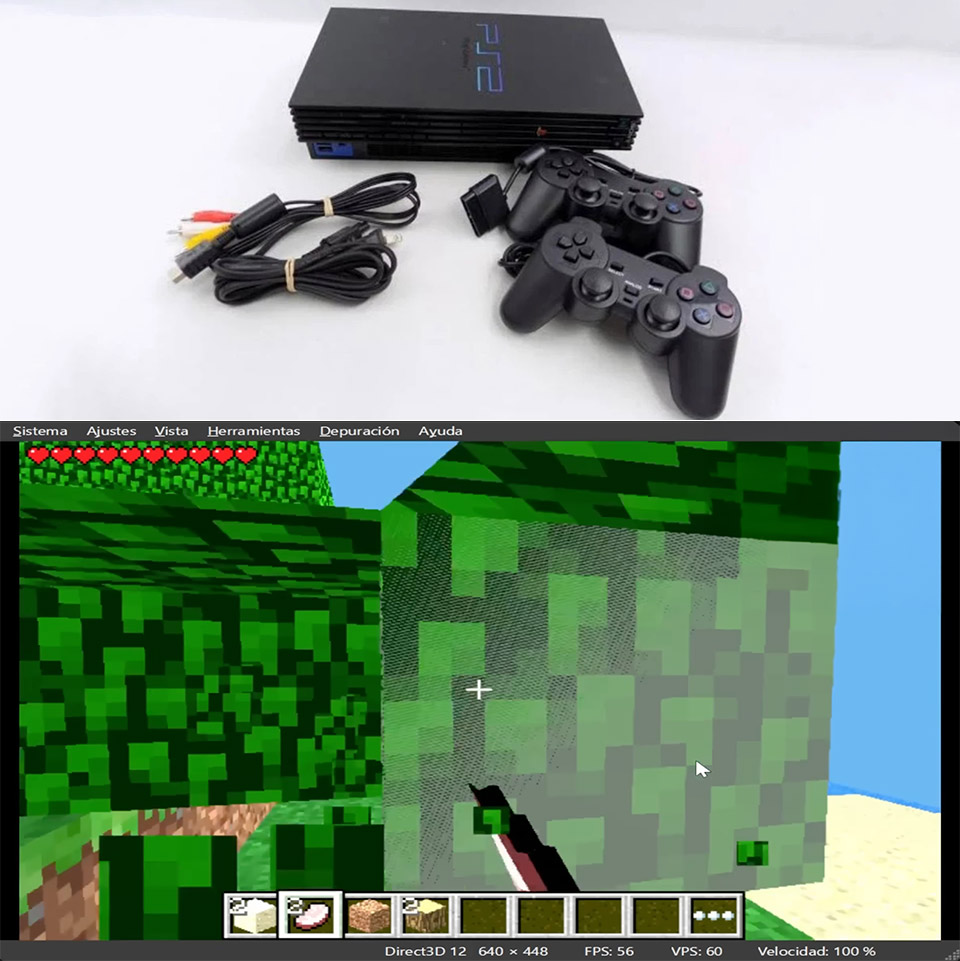
OptiJuegos has delivered a working version of Minecraft to the original PlayStation 2, called OptiCraft. The port draws directly from Minecraft Pocket Edition version 0.6.1 and runs on real hardware released more than a decade before that mobile edition appeared. Players can generate worlds, break and place blocks, and engage with survival elements on a console many assumed could never handle the game.
Development focused on fitting the experience onto the PlayStation 2’s comparatively limited hardware, which only had 32 megabytes of main memory and a small amount of video memory to work with. OptiJuegos focused on specialized optimisations, making good use of the console’s VU1 vector unit for graphics and calculations. The end result is a frame rate of more than 30 per second, and the game runs smoothly even during normal play, unlike emulators, which stutter.
The gameplay loop basically follows the Pocket Edition’s original design. World generation creates a playable environment in which players may move around, harvest resources, and change the ground with blocks. Survival mode is all about keeping an eye on your basic needs and remaining vigilant for hazards. In addition, the Nether Reactor Core from version 0.6.1 reappears. The draw distance and active world size are lowered since there is just not enough memory to support all of the geometry, textures, lighting, and player activities. Even while the end result is a focused experience, you can still feel the excitement of seeing your construction come to life, as shown in the linked clip.
Acabo de PORTEAR MINECRAFT a PLAYSTATION 2
Basado en MCPE 0.6. Con muchas optimizaciones y arreglos para que pueda correr a mas de 30 FPS!
Lo mas complicado fue el tema de la RAM y VRAM. La consola solo cuenta con 32MB! Pero adaptandolo bien a la VU1 se pudo lograr! pic.twitter.com/GE8fl0Zru4
— OptiJuegos (@OptiJogos) June 7, 2026
Controls translate directly to the DualShock 2. Camera movement and block interaction were sufficient for either cautious building or quick resource collection. People who tested the port on real consoles said that it performed well, with only the rare stutter during normal sessions. Certain players reported discovering console-specific peculiarities, such as lag on older platforms, although the essential gameplay remained consistent.
To get the port to work, you must consider a few things, which differ depending on the state of your console. If you have a modded PS2, you can use Open PS2 Loader to boot the executable by just placing it in the programs folder. If your PS2 is stock and one of the Slim variations, you can easily boot a burned disc image with FreeDVDBoot. World saves are now written to memory cards, however the developer has mentioned that they are working on adding USB storage capabilities, which would greatly simplify maintaining several worlds or huge projects.
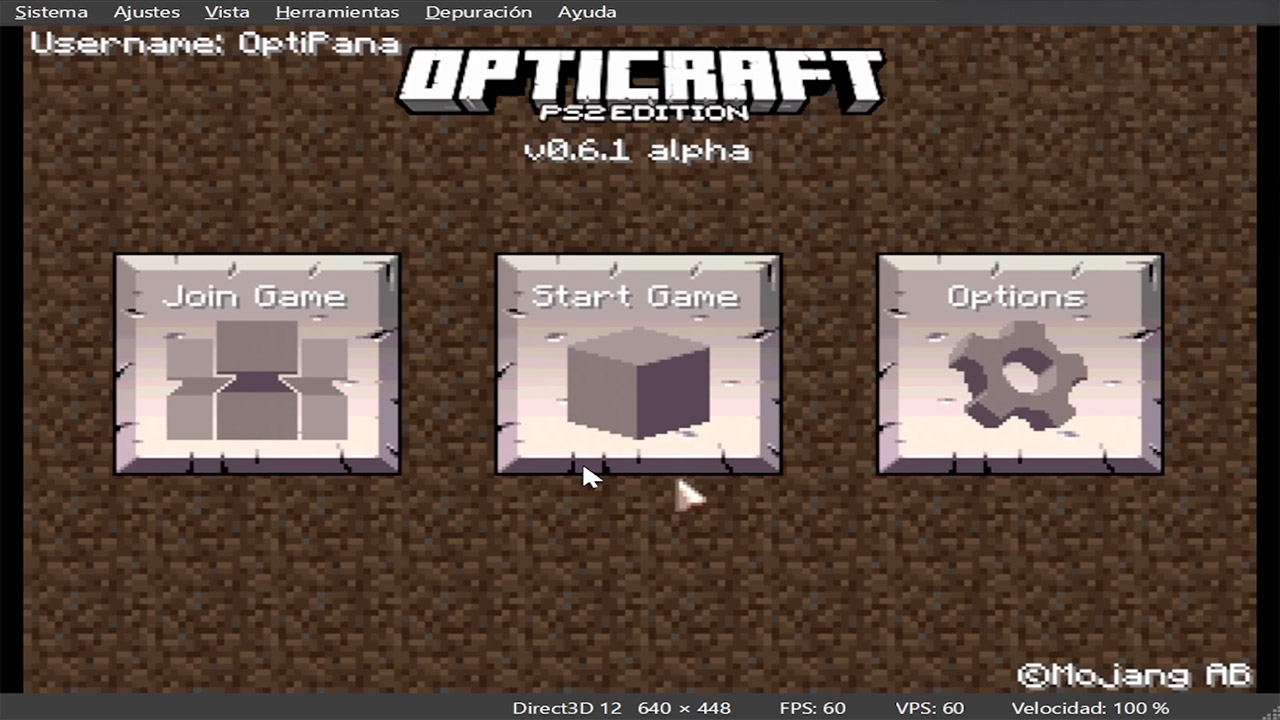
This release is merely another example of the homebrew community’s ongoing story on the PlayStation 2. The console debuted in 2000 and has always been designed with fixed, pre-authored worlds in mind. However, efforts like this one show that with a little care and attention, the Emotion Engine and its processors can still provide new interactive experiences, even though official support ended years ago. It was a big challenge to remove or compress all of the pieces that would not fit while retaining the game’s core, which is what makes it so dynamic.
[Source]
Minecraft Finds Its Way Onto the PlayStation 2 Thanks to Homebrew Persistence
#Minecraft #Finds #PlayStation #Homebrew #Persistence