Fascinating Look at Sony’s 1986 BVW-D75 Broadcast Recorder That Turned Tape Editing Into a Built-In Skill
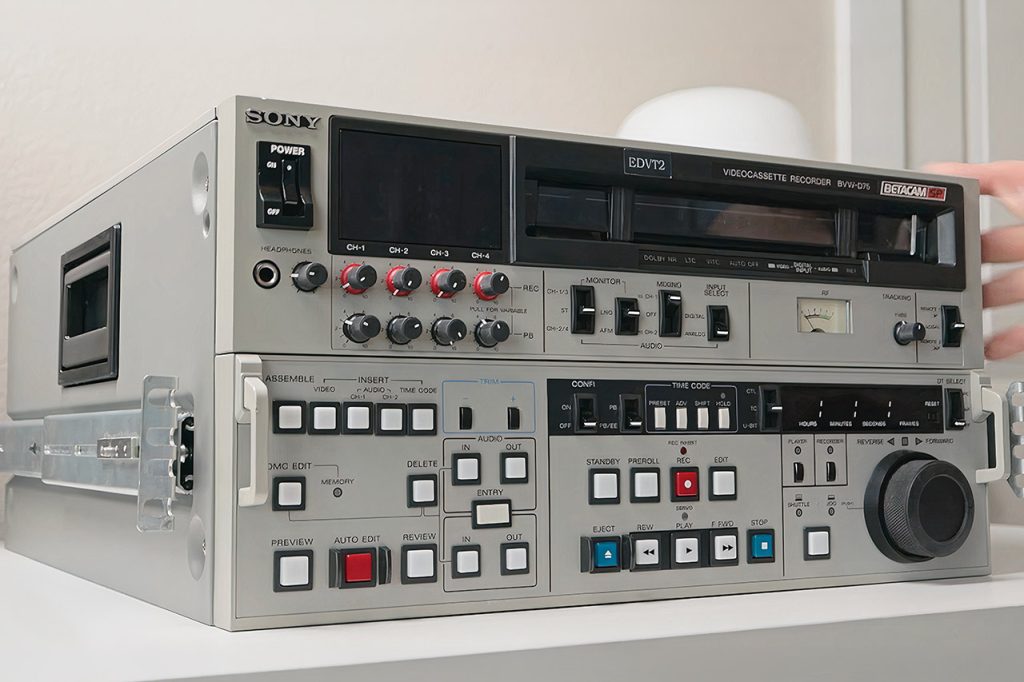
Most VCRs from the 1980s simply played back or recorded programs. Precise editing usually required extra controllers, multiple decks, and a fair amount of guesswork to land clean cuts. Sony’s BVW-D75 changed that equation for professional users the year it arrived.
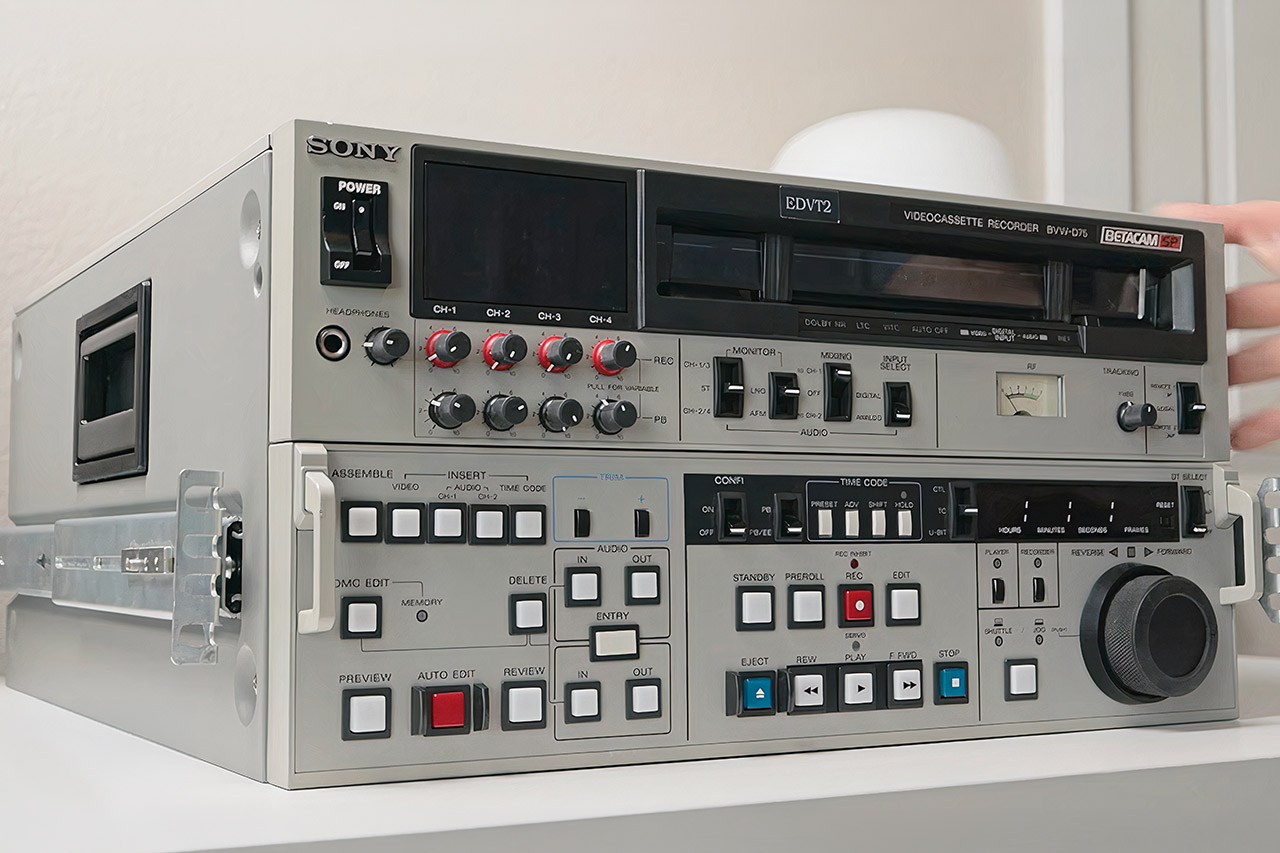
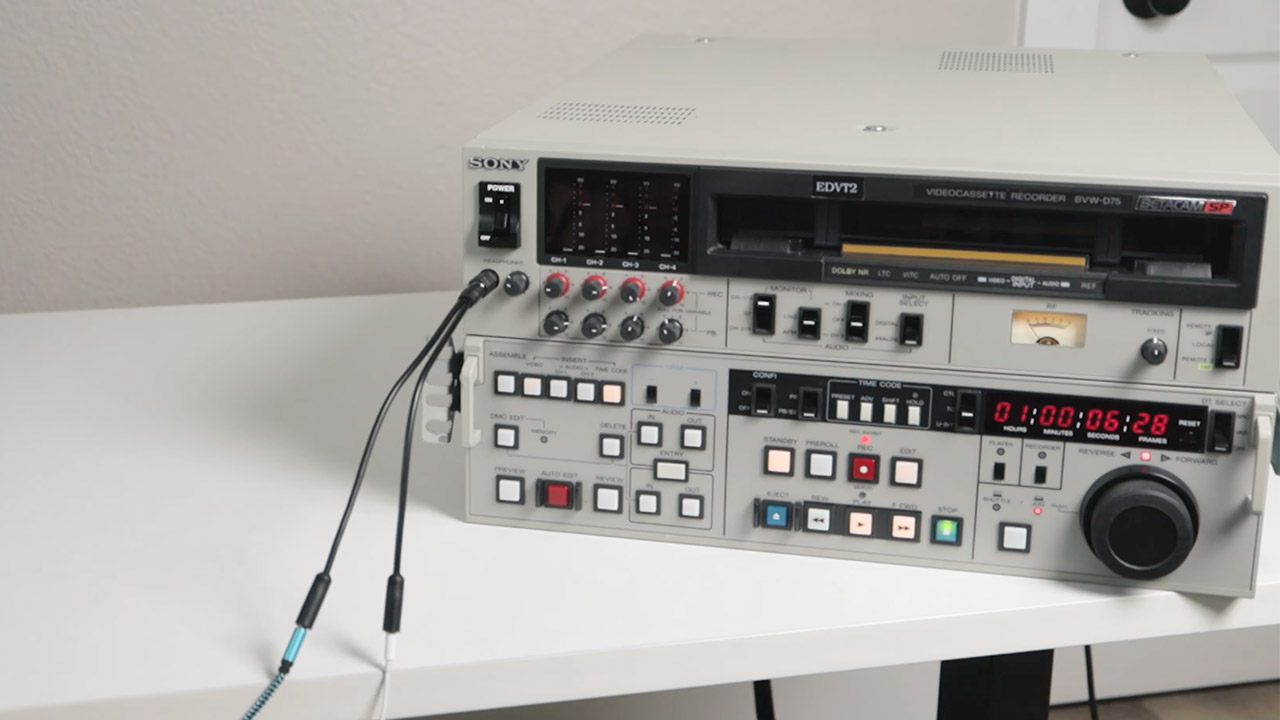
Broadcast teams received a 66-pound machine designed to last more like industrial equipment than consumer electronics. The front panel had a huge search wheel that allowed you to flip through tape a frame at a time with relatively smooth control, and red LED numbers displayed the timecode down to the exact frame. There were buttons designated ‘in-points’ and ‘out-points’ on the side of the machine, so you didn’t have to fumble around to find them. A little RF meter on the front allowed you to keep an eye on signal strength while playing back or recording.
Sale

17.5″ Portable DVD Player with 15.6″ Large HD Screen, 6 Hours Rechargeable Battery, Support USB/SD…
- High Resolution Screen — Boifun portable DVD player adopts 15.6 Inch 1280*800 HD swivel large screen. Upgraded screen can relieve visual fatigue…
- 5000mAh Long-Lasting Battery – Enjoy up to 6 hours of continuous playback with the built-in non-removable 5000mAh rechargeable battery, designed…
- Support Multi Formats — Direct play in formats: CD, DVD, DVD ±R, CD -R(RW), SVCD -R(RW), DVD ±RW, VCD (Not support Blu-ray and Dolby discs…
The Betacam SP cassettes would slot into a specific compartment, resulting in a gratifying mechanical clunk when dropped in. These tapes featured an unusual metal particle formulation that retained brightness and color separately, rather than combining them as most other cassettes did at the time. This resulted in clearer visuals and higher colour accuracy than you’d often see on home recordings, and they could retain a good 90 minutes on the larger cassettes.
The playback was where this thing really shined, as even when the tape stopped on a single frame, the video heads would keep going round and round, which they called dynamic tracking, and it gave you a steady as a rock broadcast quality still image without all the breakup or noise you’d see on other decks. Plus, you could watch your tape at various speeds without losing any of the color, which is more than most household VCRs allow.
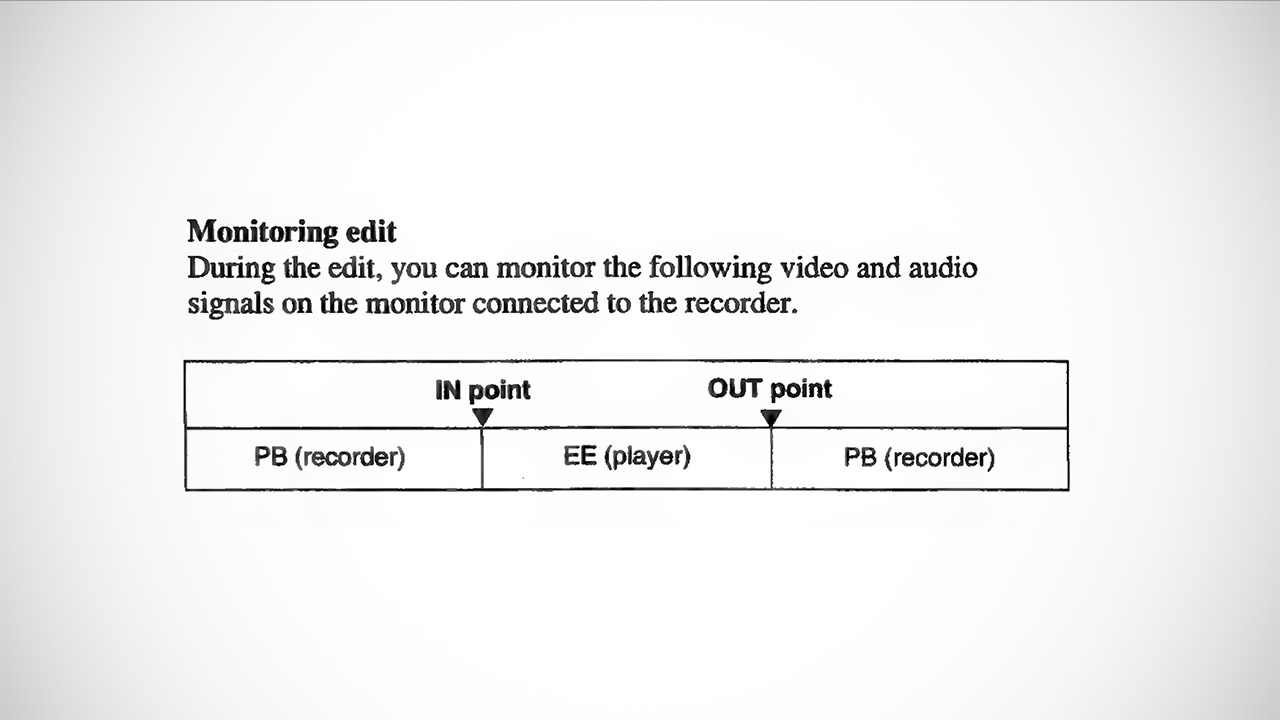
The editing was all done on the deck itself. You’d have the option of using “assemble” mode to create a new recording by copying the desired portions of footage in order, or “insert” mode to simply change bits of an existing tape. The deck will handle pre-roll time and synchronization for you automatically. Two-machine editing worked well in the basic settings, with no need for additional controls. There were four audio tracks accompanying the video on these Betacam SP tapes. Even two regular longitudinal tracks were noise-reduced. Then there were two additional tracks that rode along with the video stream for improved fidelity. Timecode options included both longitudinal and vertical interval kinds, as well as a few bits for notes in case you wished to jot something down.
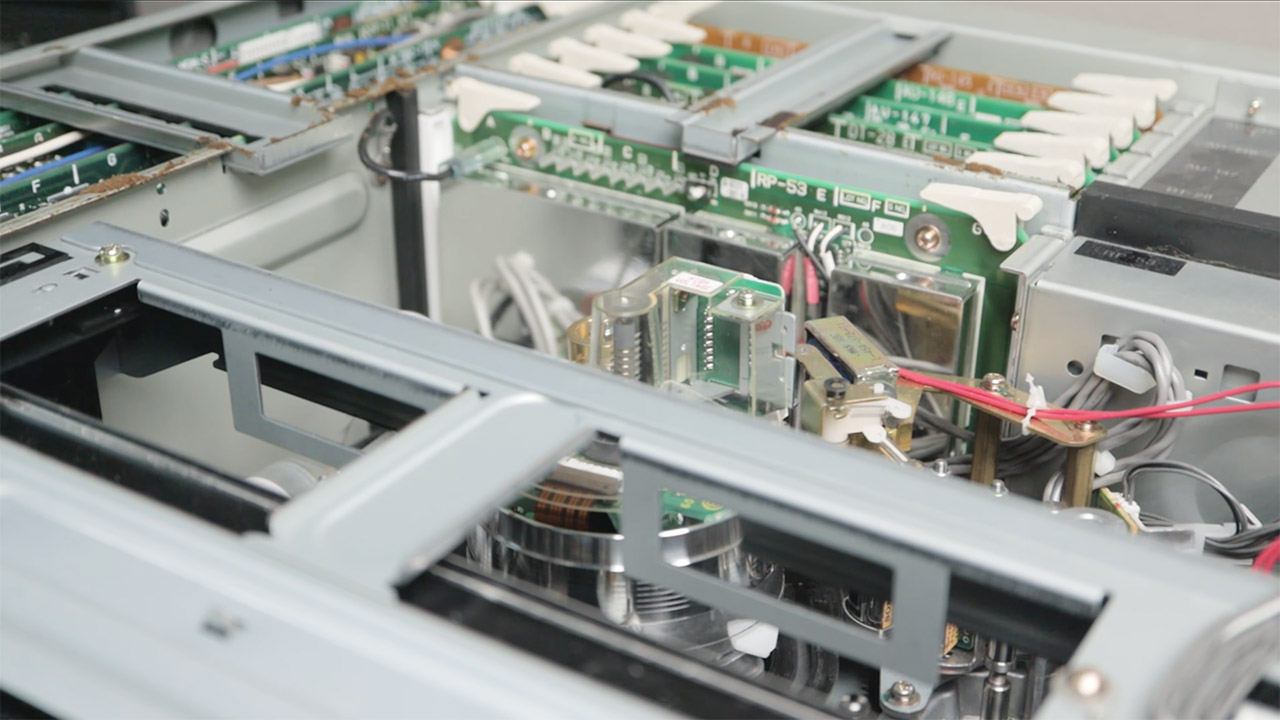
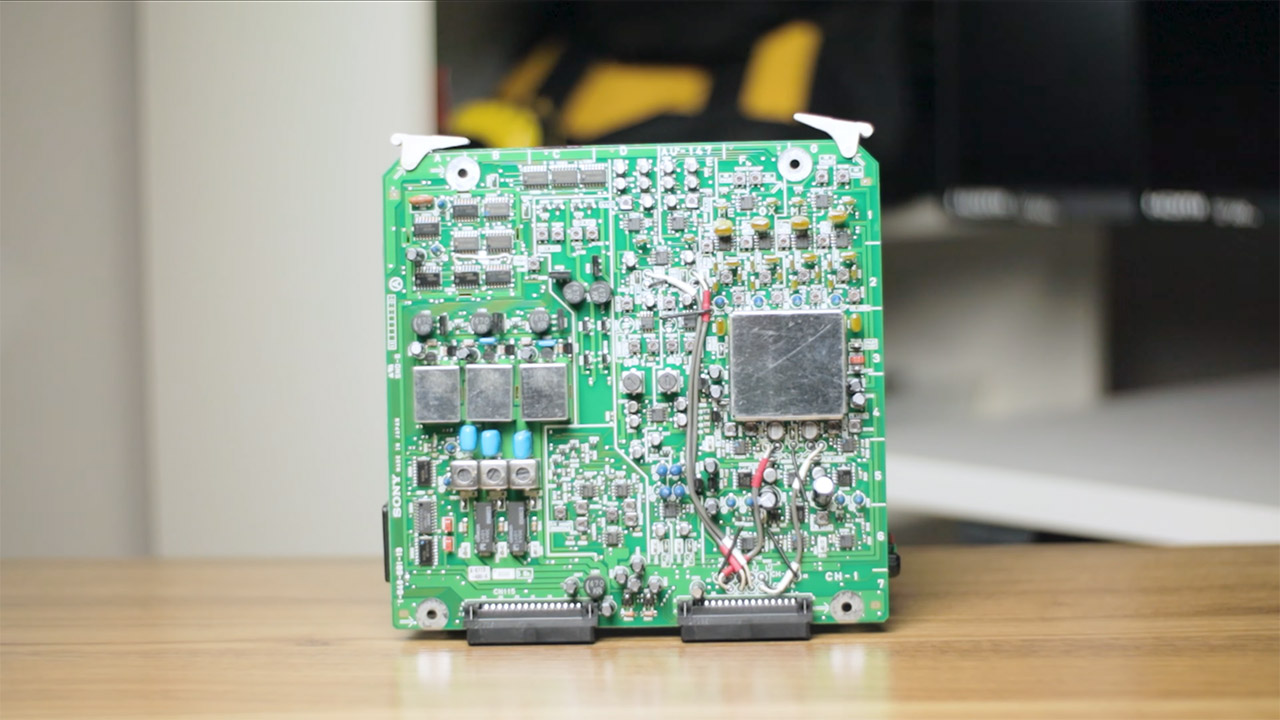
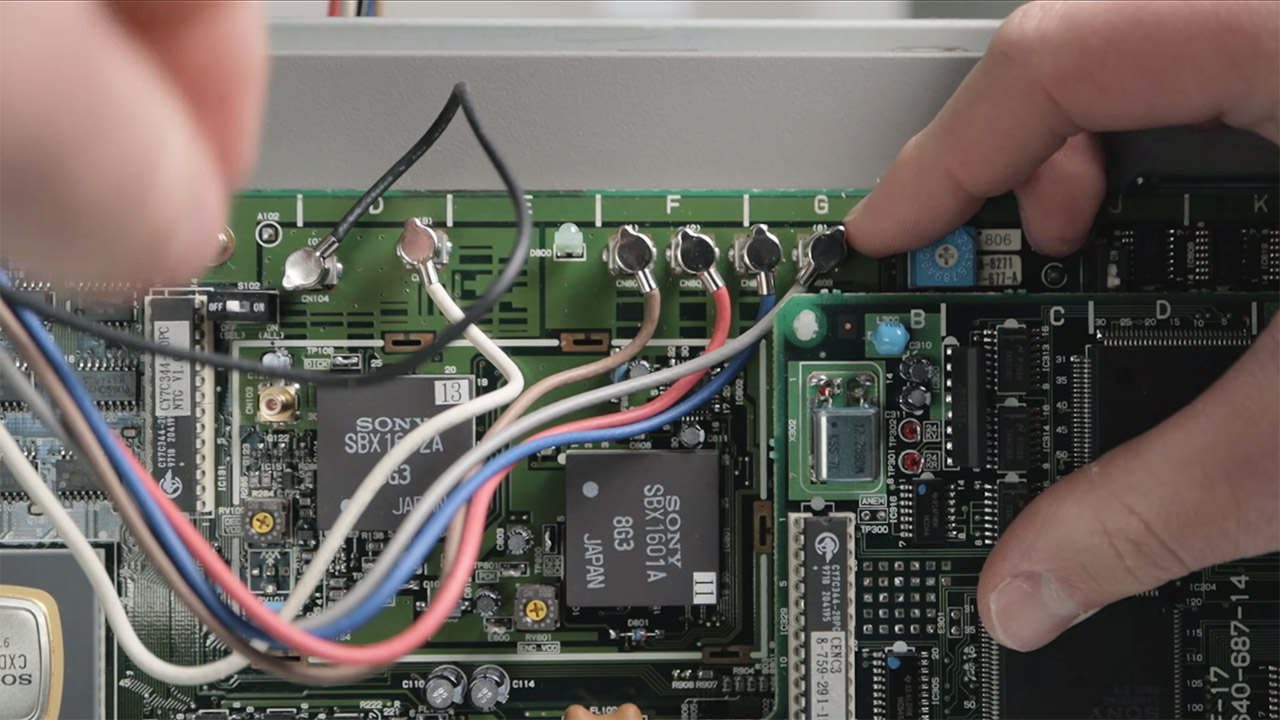
The rear panel was brimming with forward-thinking features such as serial digital video and integrated audio connections, which were much ahead of their time. There was even a separate analog component output to feed a studio monitor for confidence testing. In larger facilities, reference video inputs allow you to keep everything in sync. Inside the chassis, there were separate circuit boards for each job, as well as a time base corrector to clean up timing inconsistencies from the tape. Because the chassis was modular, a technician could simply switch a board and be back to work in no time if something went wrong during a busy production day. The mechanical drive systems used gears rather than belts, which kept the thing working smoothly over time, even with regular use.
In 1986, stations would pay approximately $78,000 for one of these. That provided them with a tool capable of handling all of the repeated demands of news editing, program development, and archival work with significantly less supplementary gear. Crews used it for anything from rapid turnaround tales to long-term projects that required frame-accurate control.
Fascinating Look at Sony’s 1986 BVW-D75 Broadcast Recorder That Turned Tape Editing Into a Built-In Skill
#Fascinating #Sonys #BVWD75 #Broadcast #Recorder #Turned #Tape #Editing #BuiltIn #Skill